How to Say "detour" in Spanish
The most common Spanish word for “detour” is “desvío” — use this word when you need to take a different route specifically to avoid a temporary blockage, like road construction or an accident.
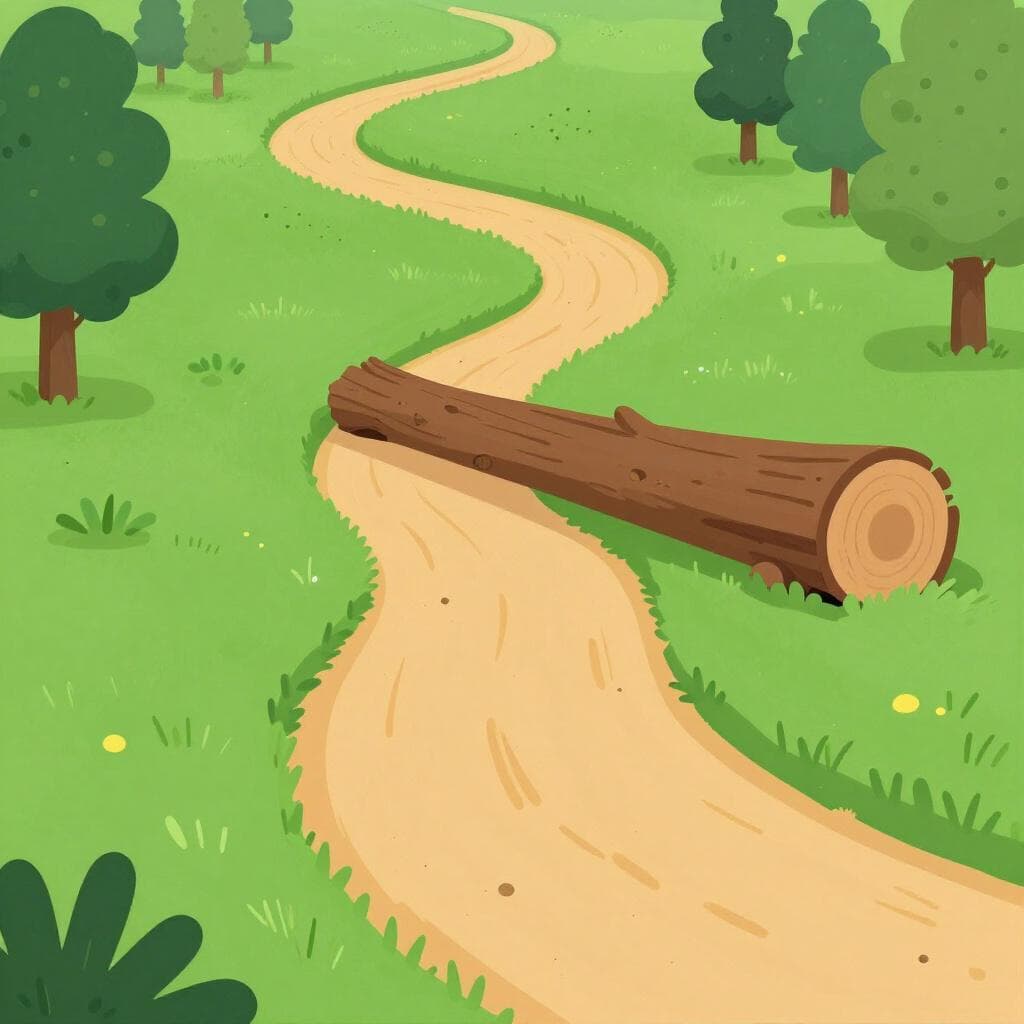
desvío
Examples
Tuvimos que tomar un desvío por las obras en la carretera.
We had to take a detour because of the roadwork.
desviación
Examples
Cualquier desviación del plan original debe ser aprobada.
Any deviation from the original plan must be approved.
rodeo
rroh-DEH-ohroˈðeo
Examples
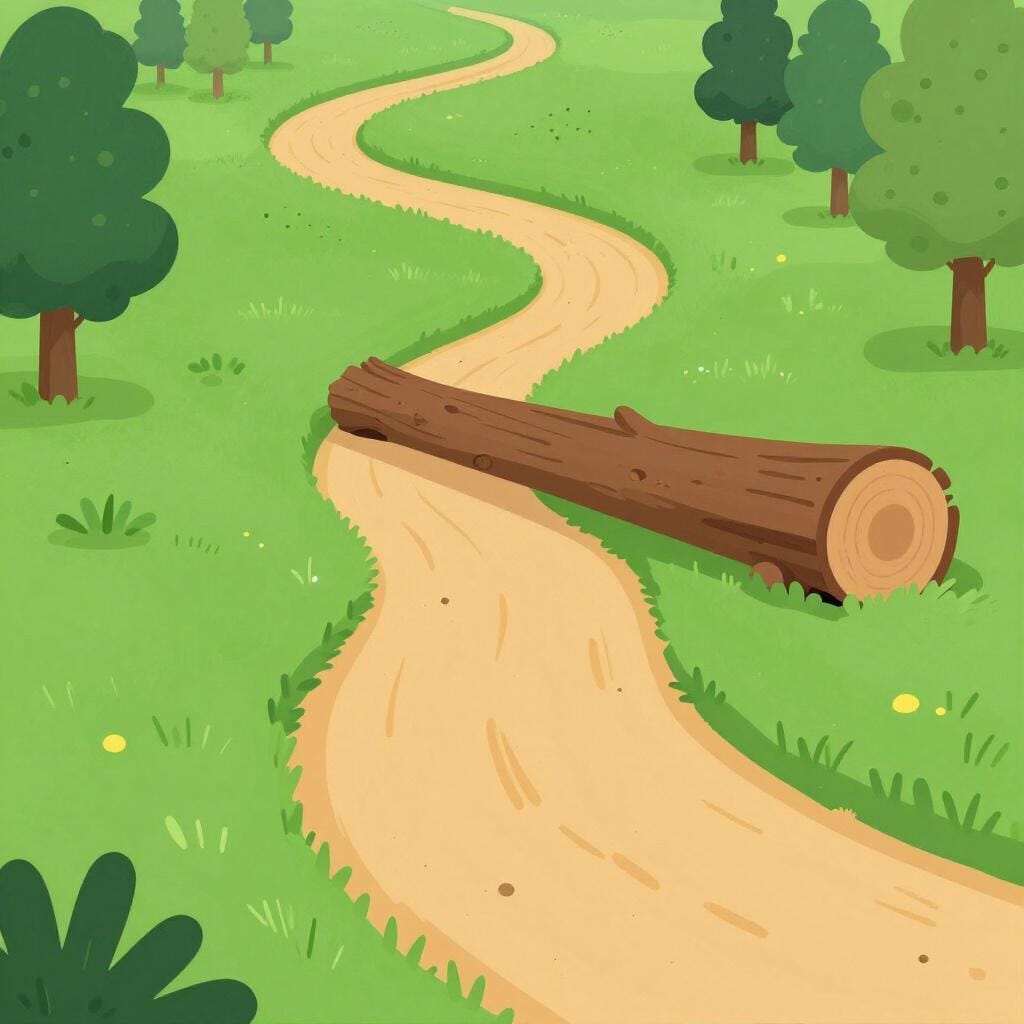
Había obras en la calle y tuvimos que dar un rodeo.
There was construction on the street and we had to take a detour.
Dímelo ya y no me vengas con rodeos.
Tell me already and don't beat around the bush with me.
El taxista tomó un rodeo innecesario para cobrar más.
The taxi driver took an unnecessary detour to charge more.
Using 'Dar' with Rodeo
To say 'to take a detour,' Spanish speakers almost always use the action word 'dar' (to give), resulting in 'dar un rodeo.'
Plural vs. Singular
When talking about physical paths, we usually use the singular 'un rodeo.' When talking about someone being indirect in speech, we often use the plural 'rodeos.'
Avoid 'Hacer'
Mistake: “Hacer un rodeo.”
Correction: Dar un rodeo. Just like we 'give' a walk (dar un paseo), we 'give' a detour in Spanish.
Desvío vs. Desviación
Related Translations
Learn Spanish with Inklingo
Interactive stories, personalized learning, and more.