How to Say "casualties" in Spanish
The most common Spanish word for “casualties” is “bajas” — use 'bajas' to refer to military personnel or significant losses in disasters like earthquakes or wars.
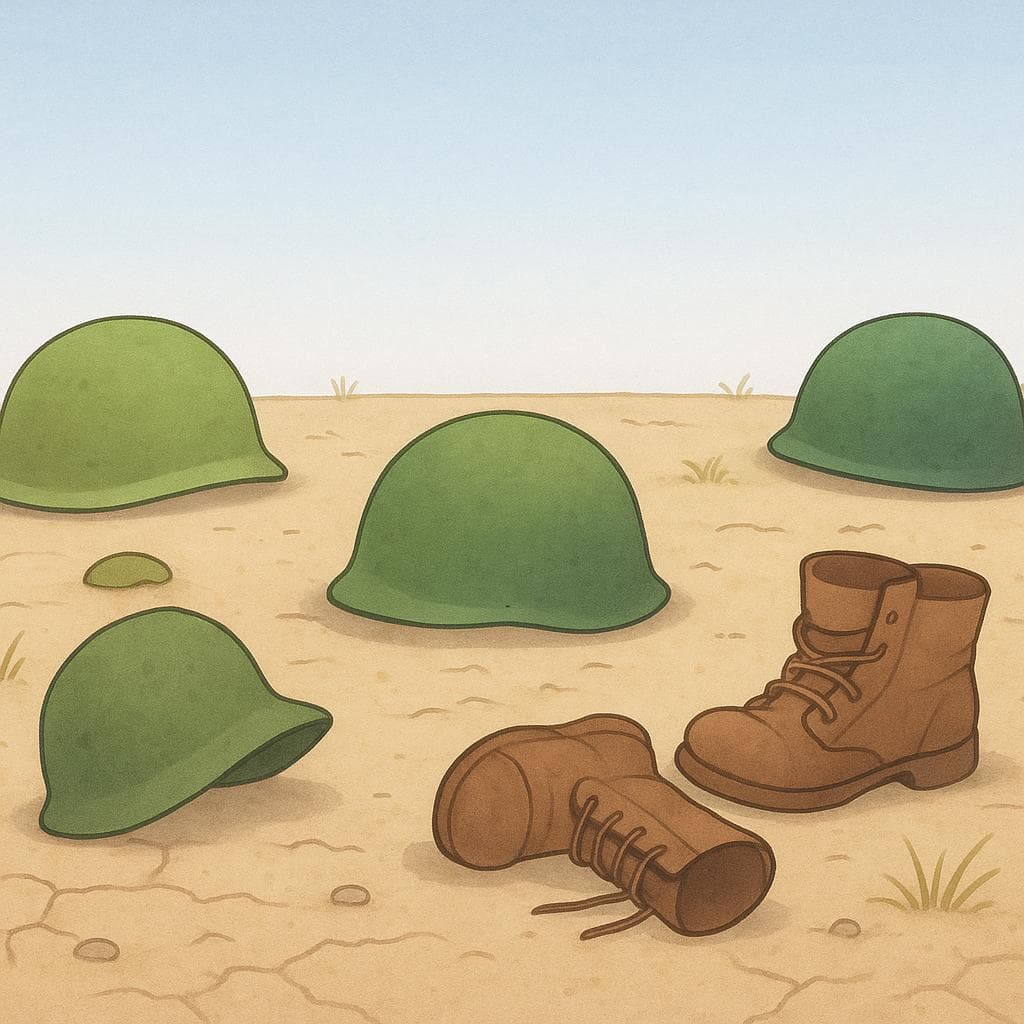
Use 'bajas' to refer to military personnel or significant losses in disasters like earthquakes or wars.
Learn more →Choose 'víctimas' when referring to people affected by military actions or disasters, especially in reports.
Learn more →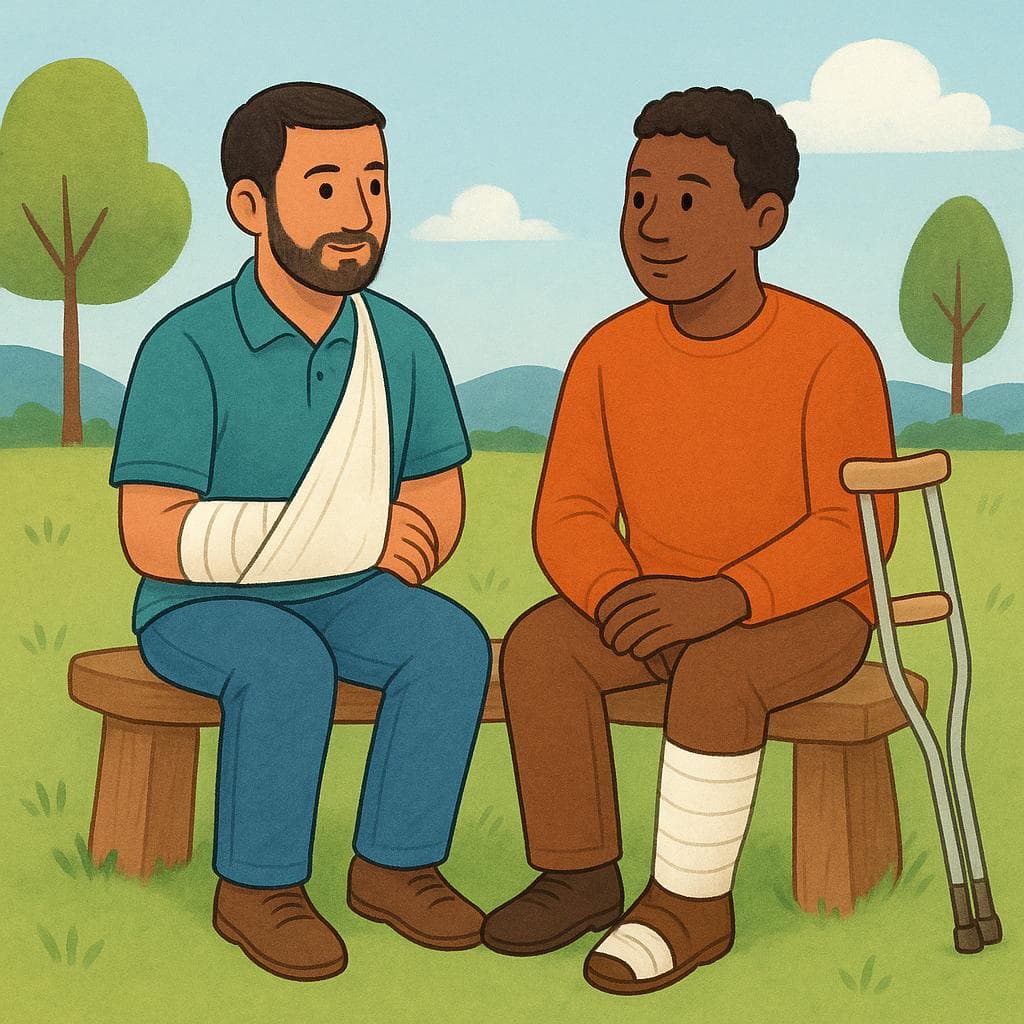
Use 'heridos' specifically for the injured people in a formal report or emergency context.
Learn more →
Employ 'muertes' when the focus is strictly on the deaths resulting from a disaster or conflict.
Learn more →
Use 'muertos' to refer to deceased individuals, often in the context of accidents or conflicts, or culturally as 'the dead'.
Learn more →BAH-hasˈbaxas
Examples
El informe confirmó que hubo muchas bajas después del terremoto.
The report confirmed there were many casualties after the earthquake.
Tenemos que reducir las bajas escolares este año.
We have to reduce the school dropouts this year.
La empresa tiene un alto índice de bajas laborales por estrés.
The company has a high rate of sick leave due to stress.
Always Plural and Feminine
When used to mean 'casualties' or 'losses,' this word is always plural and feminine, so you must use 'las bajas' or 'muchas bajas'.
Confusing 'Baja' and 'Bajas'
Mistake: “Using 'una baja' when referring to multiple losses.”
Correction: Use 'bajas' (plural) for multiple casualties. 'Una baja' (singular) usually means a single discharge or cancellation.
víctimas
Examples
Las inundaciones dejaron cientos de víctimas sin hogar.
The floods left hundreds of victims homeless.
eh-REE-dohseˈriðos
Examples
Los servicios de emergencia trasladaron a los heridos al hospital más cercano.
The emergency services transferred the wounded (people) to the nearest hospital.
Hubo diez heridos leves y dos graves en el choque.
There were ten lightly injured people and two seriously injured in the crash.
Adjective acting as a Noun
In Spanish, you can use the article 'los' or 'las' before an adjective to turn it into a noun referring to people. 'Los heridos' literally means 'The wounded ones'.
Forgetting the Article
Mistake: “Trajeron heridos.”
Correction: Trajeron a los heridos. (They brought the wounded.) You need the article 'los' when referring to the group of people.
MWEHR-tehsˈmweɾtes

Examples
El informe confirmó un alto número de muertes por la tormenta.
The report confirmed a high number of deaths due to the storm.
Las estadísticas de muertes violentas han disminuido este año.
The statistics for violent deaths have decreased this year.
Debemos prevenir las muertes prematuras a través de mejores políticas de salud.
We must prevent premature fatalities through better health policies.
Plural Form
This word is the plural form of the singular noun 'muerte' (death). Since 'muerte' ends in a vowel, you add '-s' to make it plural.
Always Feminine
'Muertes' is a feminine noun, so it always uses feminine articles and adjectives: 'Las muertes recientes' (The recent deaths).
Confusing Noun and Verb
Mistake: “Using 'muertes' when you mean the action of dying, like 'Ellos mueren' (They die).”
Correction: Remember 'muertes' is the count of people who died, not the action. Use 'morir' (to die) for the action.
MWER-tohsˈmweɾtos

Examples
En el Día de los Muertos, honramos a nuestros muertos.
On the Day of the Dead, we honor our dead.
El accidente dejó varios muertos y heridos.
The accident left several dead and injured.
Using Adjectives as Nouns
In Spanish, you can often use a descriptive word (an adjective) like a noun by putting 'el', 'la', 'los', or 'las' in front of it. 'Los muertos' literally means 'the dead ones' and is used to talk about people who have passed away.
General vs. Specific Casualties
Learners often confuse 'bajas' (general losses, often military) with 'muertes' (just deaths) or 'heridos' (just the injured). Remember that 'bajas' can encompass both killed and wounded, especially in official reports.
Related Translations
Learn Spanish with Inklingo
Interactive stories, personalized learning, and more.