How to Say "cheek" in Spanish
The most common Spanish word for “cheek” is “mejilla” — use 'mejilla' for the soft part of the face located below the eyes, on either side of the nose.

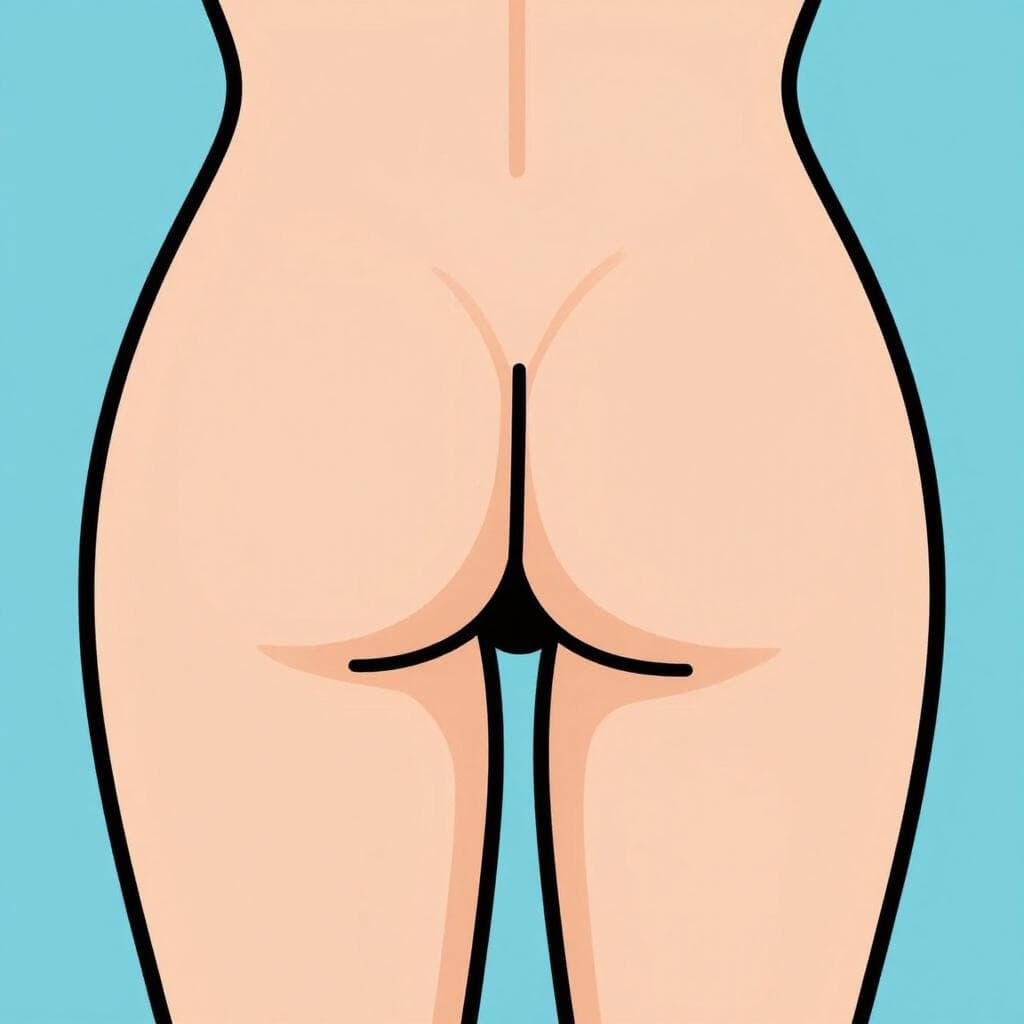
mejilla
meh-HEE-yahmeˈxiʝa

Examples
El niño tiene las mejillas muy rojas.
The boy has very red cheeks.
Ella le dio un beso en la mejilla antes de irse.
She gave him a kiss on the cheek before leaving.
Las lágrimas rodaban por su mejilla.
Tears were rolling down her cheek.
Gender of Body Parts
This is a feminine word. Use 'la' for one cheek ('la mejilla') and 'las' for both ('las mejillas').
Mejilla vs. Mentón
Mistake: “Confusing 'mejilla' with 'mentón'.”
Correction: Use 'mejilla' for the sides of your face and 'mentón' or 'barbilla' for your chin.
nalga
NAL-gahˈnalɣa
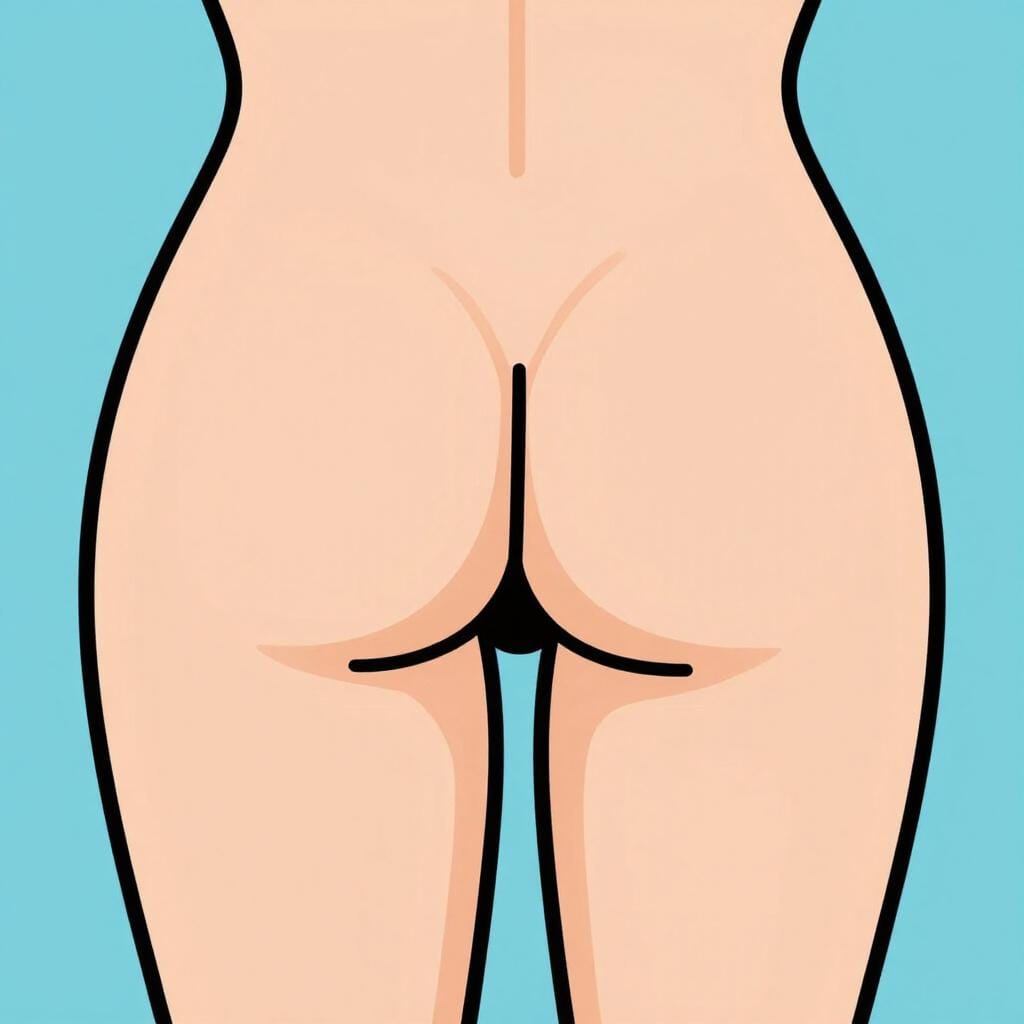
Examples
Me duele la nalga derecha después de correr tanto.
My right buttock hurts after running so much.
El doctor me puso una inyección en la nalga.
The doctor gave me an injection in the buttock.
El bebé tiene un lunar pequeño en la nalga izquierda.
The baby has a small mole on his left buttock.
Use 'the' instead of 'my'
In Spanish, when talking about body parts, we usually use 'la' (the) instead of 'mi' (my) if it's obvious whose body we are talking about. For example: 'Me duele la nalga' instead of 'Me duele mi nalga'.
Singular vs. Plural
Use the singular 'nalga' to refer to one side (one cheek) and the plural 'nalgas' to refer to the whole bottom.
Confusing 'nalga' with 'culo'
Mistake: “Using 'culo' in a doctor's office.”
Correction: Use 'nalga' or 'glúteo'. 'Culo' is considered rude or vulgar in many Spanish-speaking countries, while 'nalga' is perfectly acceptable and neutral.
Face vs. Bottom
Related Translations
Learn Spanish with Inklingo
Interactive stories, personalized learning, and more.