How to Say "chicken" in Spanish
The most common Spanish word for “chicken” is “pollo” — use 'pollo' when referring to chicken as food or meat, whether whole or in parts.

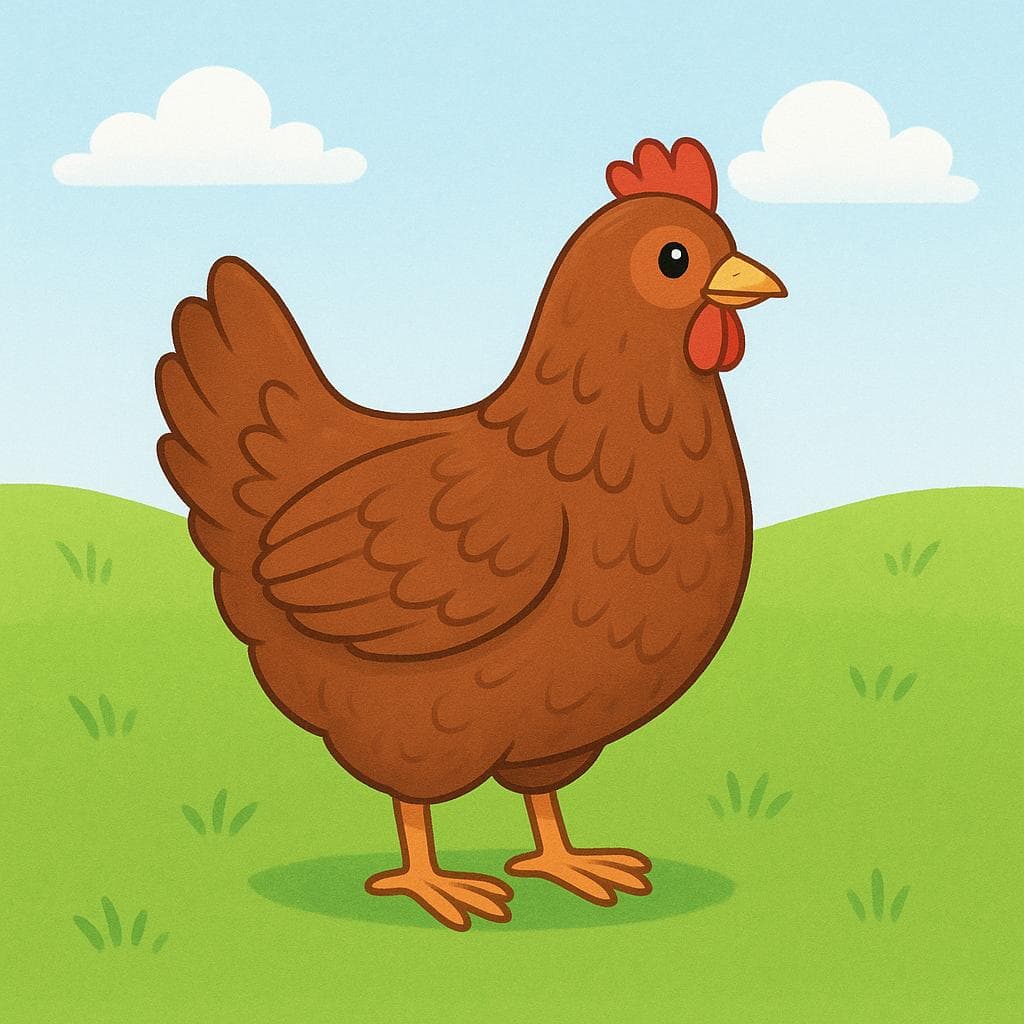

pollo
POH-yoh (The 'll' sounds like 'y' in most of Latin America and Spain)ˈpoʝo

Examples
Vamos a comprar un pollo entero para la cena.
We are going to buy a whole chicken for dinner.
¿Prefieres el pollo frito o al horno?
Do you prefer fried or baked chicken?
El menú del día incluye pollo con patatas.
The daily menu includes chicken with potatoes.
Gender Tip
Since 'pollo' ends in -o, it is masculine, meaning you use 'el pollo' or 'un pollo'.
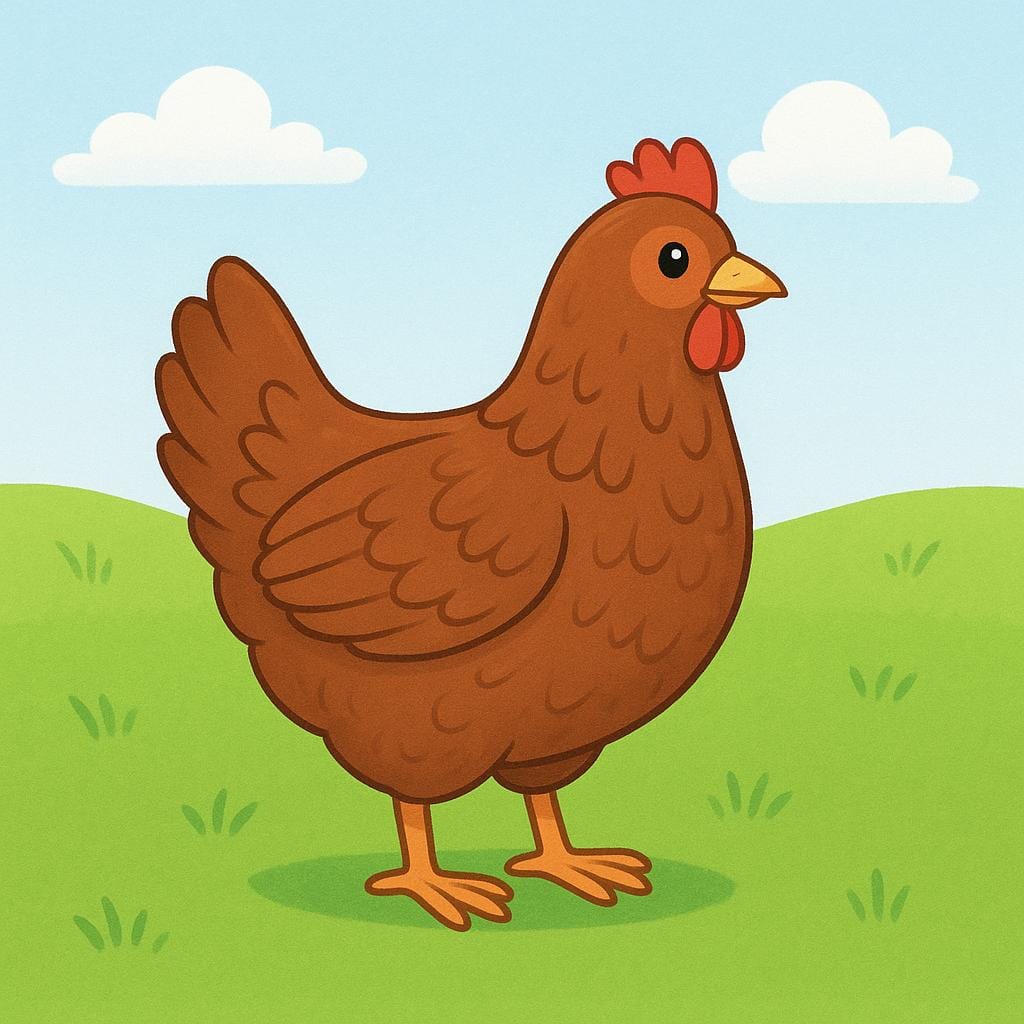
gallina
gah-YEE-nahɡaˈʎina
Examples
La gallina puso tres huevos esta mañana.
The hen laid three eggs this morning.
El granjero tiene más de cien gallinas en su corral.
The farmer has more than a hundred chickens in his coop.
¡No seas gallina! Tienes que decirle la verdad.
Don't be a coward! You have to tell her the truth.
Él es una gallina; nunca se atreve a probar nada nuevo.
He is a chicken; he never dares to try anything new.
Gender Check
Remember that 'gallina' is always feminine, referring to the female bird. The male bird is 'gallo' (rooster).
Fixed Gender Insult
When used to mean 'coward,' 'gallina' is always feminine, even if you are talking about a man. You say 'Él es una gallina,' not 'un gallino'.
Gallina vs. Pollo
Mistake: “Using 'gallina' to mean chicken meat.”
Correction: Use 'pollo' (chicken) when referring to the meat you eat, or a young chicken. 'Gallina' is usually the live, mature female bird.
gallina
Examples
¡No seas gallina! Tienes que decirle la verdad.
Don't be a coward! You have to tell her the truth.
cobarde
koh-BAR-dehkoˈβarðe

Examples
No seas un cobarde y enfrenta tus miedos de una vez.
Don't be a coward and face your fears right away.
Todos la llamaron cobarde cuando se negó a saltar.
Everyone called her a coward when she refused to jump.
Matching the person
When 'cobarde' refers to a person (the noun), you must match the article to the person's gender: 'el cobarde' (male) or 'la cobarde' (female).
Mixing the article
Mistake: “Ella es un cobarde.”
Correction: Ella es una cobarde.
Distinguishing Animal vs. Insult
Related Translations
Learn Spanish with Inklingo
Interactive stories, personalized learning, and more.