How to Say "companions" in Spanish
The most common Spanish word for “companions” is “compañeros” — use 'compañeros' for people you share an activity, journey, or significant part of your life with, such as classmates, work colleagues, or a spouse.
Use 'compañeros' for people you share an activity, journey, or significant part of your life with, such as classmates, work colleagues, or a spouse.
Learn more →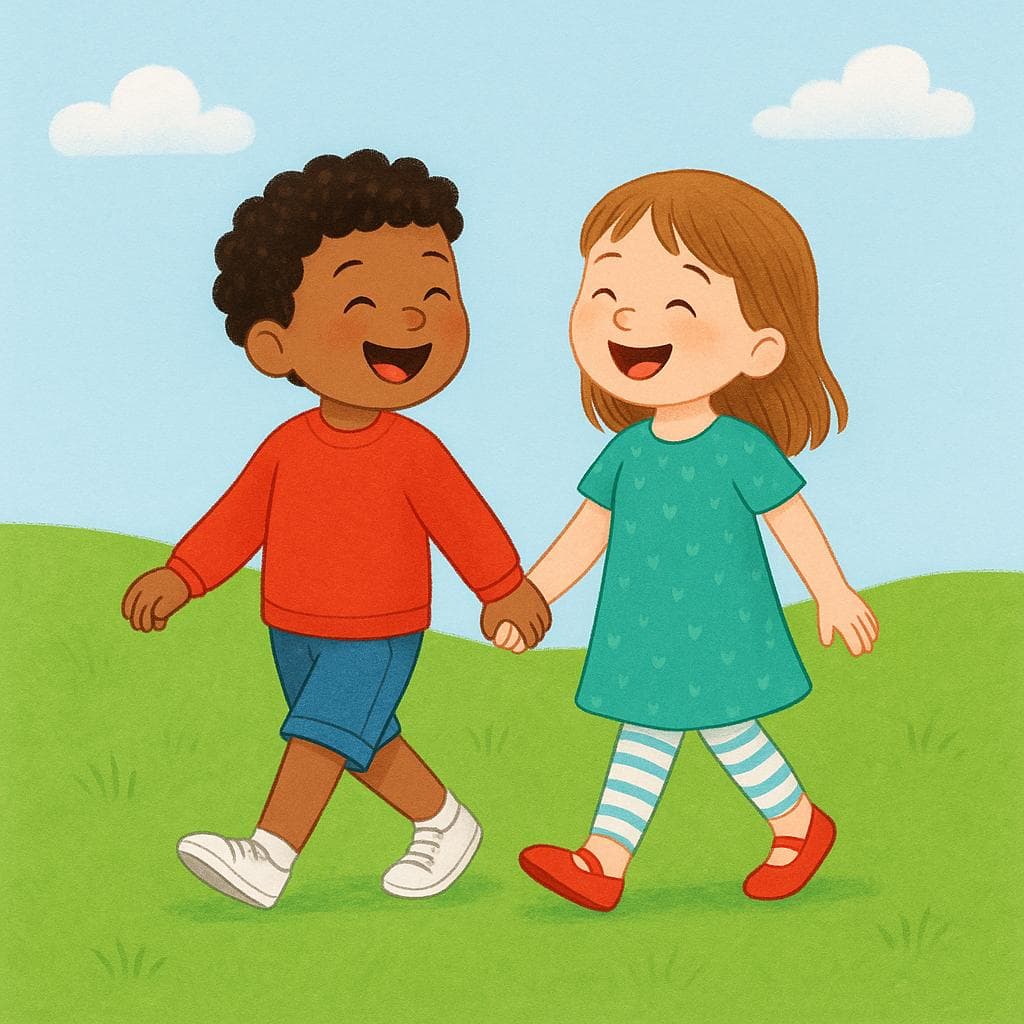
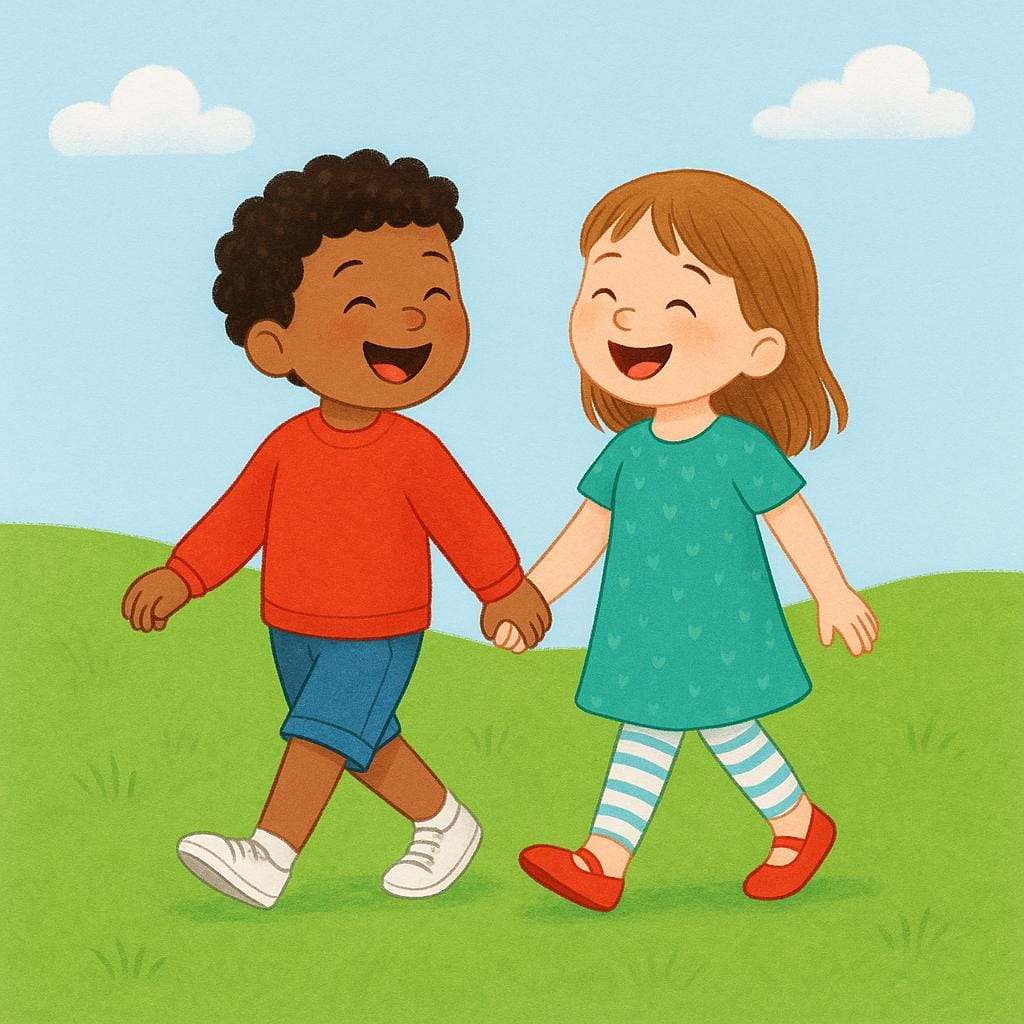
Choose 'camaradas' to refer to close friends or allies, often implying a sense of shared struggle, camaraderie, or group loyalty, especially in informal or historical contexts.
Learn more →compañeros
Examples
Mis compañeros de trabajo organizaron una fiesta sorpresa.
My work companions organized a surprise party.
kah-mah-RAH-dahskamaˈɾaðas
Examples
Los camaradas del equipo celebraron la victoria juntos.
The team companions celebrated the victory together.
Mis camaradas de la escuela me ayudaron con el proyecto.
My friends from school helped me with the project.
¡Hola, camaradas! ¿Qué vamos a hacer esta noche?
Hey, buddies! What are we going to do tonight?
A Noun for Everyone
The singular form, 'camarada', can be used for both men ('el camarada') and women ('la camarada') because the meaning refers to the relationship, not the gender ending.
Compañeros vs. Camaradas
Learners often use 'camaradas' too broadly. Remember that 'compañeros' is the more general and frequent term for anyone you share time or an activity with, while 'camaradas' suggests a deeper bond of loyalty or shared experience.
Related Translations
Learn Spanish with Inklingo
Interactive stories, personalized learning, and more.