How to Say "pals" in Spanish
The most common Spanish word for “pals” is “amigas” — use this when referring exclusively to a group of female friends.

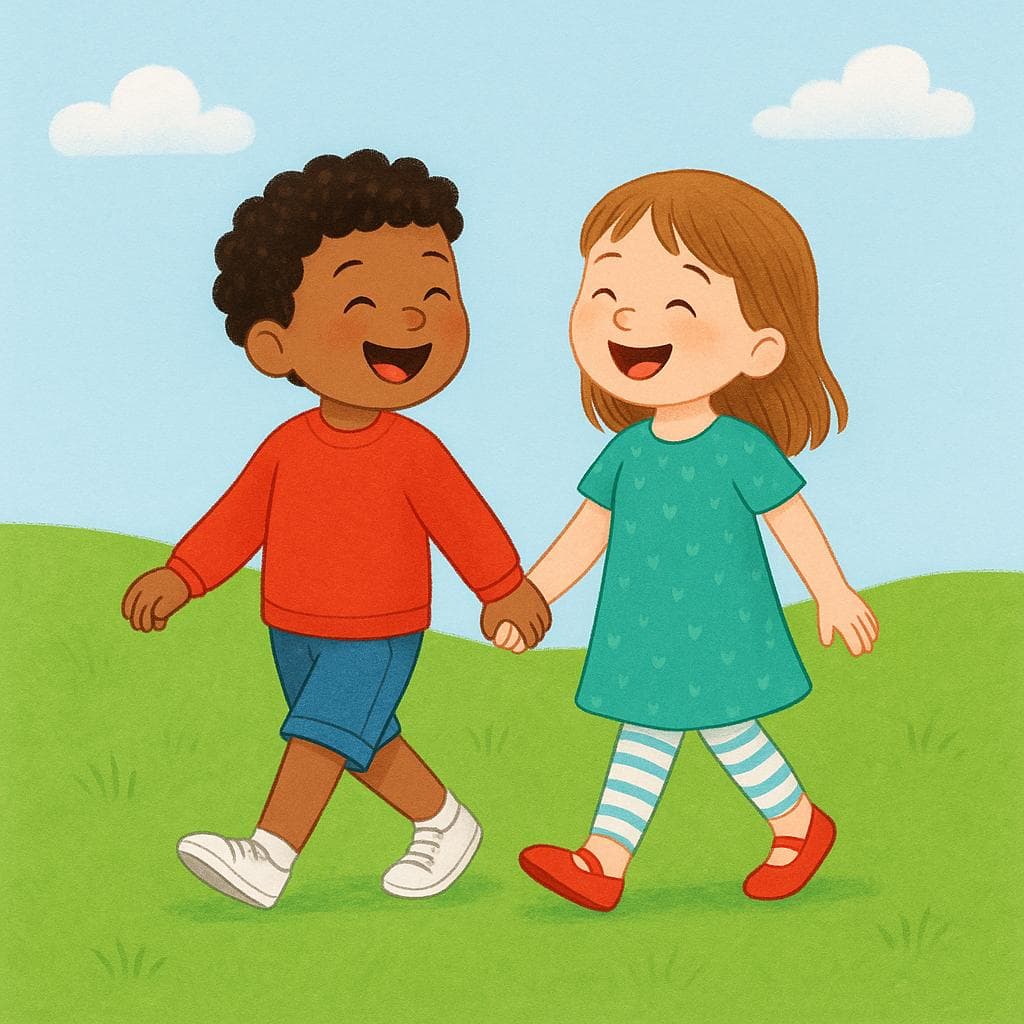




amigas
ah-MEE-gahsaˈmi.ɣas

Examples
Mis amigas y yo vamos al cine esta noche.
My friends and I are going to the cinema tonight.
¿Tienes muchas amigas en tu clase de español?
Do you have many friends (female) in your Spanish class?
Ellas han sido amigas desde la escuela primaria.
They have been friends since primary school.
Gender Rule for Groups
'Amigas' is the plural, feminine form. It refers only to groups of females. If the group includes even one male person, Spanish requires you to use the masculine plural word, 'amigos'.
The Singular Form
Remember, the singular form is 'amiga' (one female friend). The plural simply adds the '-s' to show there is more than one.
Confusing Gender
Mistake: “Using 'amigas' to refer to a mixed-gender group.”
Correction: Use 'amigos' (masculine plural) when the group has both males and females, or just males. Use 'amigas' only for groups that are exclusively female.
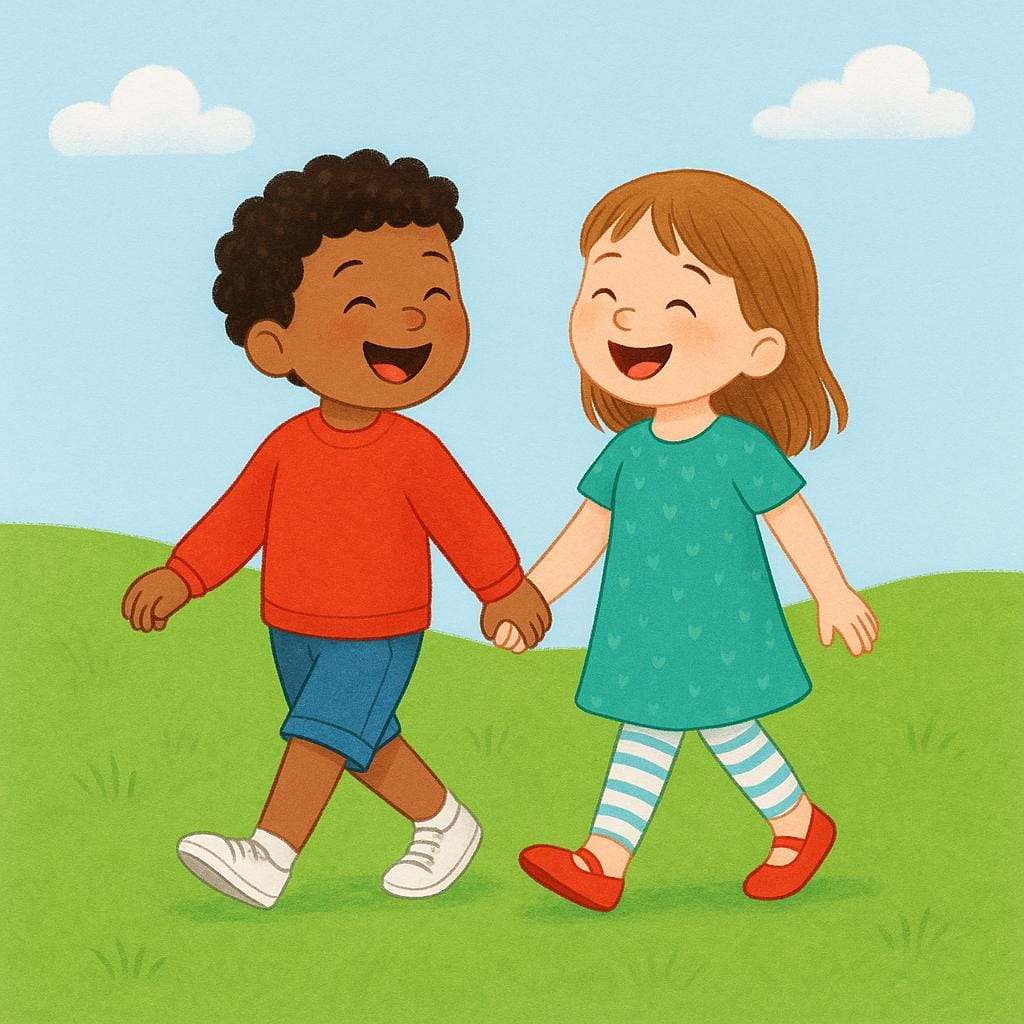
camaradas
kah-mah-RAH-dahskamaˈɾaðas
Examples
Mis camaradas de la escuela me ayudaron con el proyecto.
My friends from school helped me with the project.
¡Hola, camaradas! ¿Qué vamos a hacer esta noche?
Hey, buddies! What are we going to do tonight?
A Noun for Everyone
The singular form, 'camarada', can be used for both men ('el camarada') and women ('la camarada') because the meaning refers to the relationship, not the gender ending.
colegas
koh-LEH-gahskoˈle.ɣas

Examples
Mis colegas de trabajo organizaron una fiesta sorpresa.
My colleagues from work organized a surprise party.
Ella es una de mis colegas más respetadas en la universidad.
She is one of my most respected colleagues at the university.
¿Vas a invitar a todos tus colegas a la conferencia?
Are you going to invite all your associates to the conference?
Gender Flexibility
The word 'colega' (and its plural 'colegas') does not change its ending to indicate gender. Instead, the article tells you who is being discussed: 'el colega' (male) or 'la colega' (female).
Confusing 'Colega' and 'Amigo'
Mistake: “Using 'colega' when you mean a close personal friend.”
Correction: 'Colega' implies a professional or academic relationship. Use 'amigos' (friends) or 'conocidos' (acquaintances) for personal relationships.
gordos
GOHR-dohsˈɡoɾðos

Examples
¡Hola, gordos! ¿Cómo estáis?
Hey, guys! How are you doing?
Esos gordos son mis primos.
Those big guys are my cousins.
Nouns from Adjectives
In Spanish, you can turn a describing word like 'fat' into a person word like 'fat guy' just by putting 'los' (the) in front of it.
patas
PAH-tasˈpatas

Examples
Esta noche salimos de copas con las patas.
Tonight we're going out for drinks with our friends/mates.
Él y yo somos patas desde el colegio.
He and I have been buddies since school.
Context is Key
When used in this slang sense, 'patas' refers to people, but it maintains its feminine form. Don't worry about changing it based on the gender of your friends.
viejas
vee-EHH-hahsˈbje.xas

Examples
Voy a salir con mis viejas esta noche.
I'm going out with my girls/pals tonight.
¿Dónde están las viejas? Llevan horas de retraso.
Where are the girls? They are hours late.
Possessive Use
This slang meaning is almost always used with a possessive word, like 'mis' (my) or 'tus' (your), to show close connection: 'mis viejas'.
Gender and Formality Pitfalls
Related Translations
Learn Spanish with Inklingo
Interactive stories, personalized learning, and more.