How to Say "aged" in Spanish
The most common Spanish word for “aged” is “viejas” — use 'viejas' to generally describe something as old, particularly traditional items, products, or even abstract concepts like traditions.
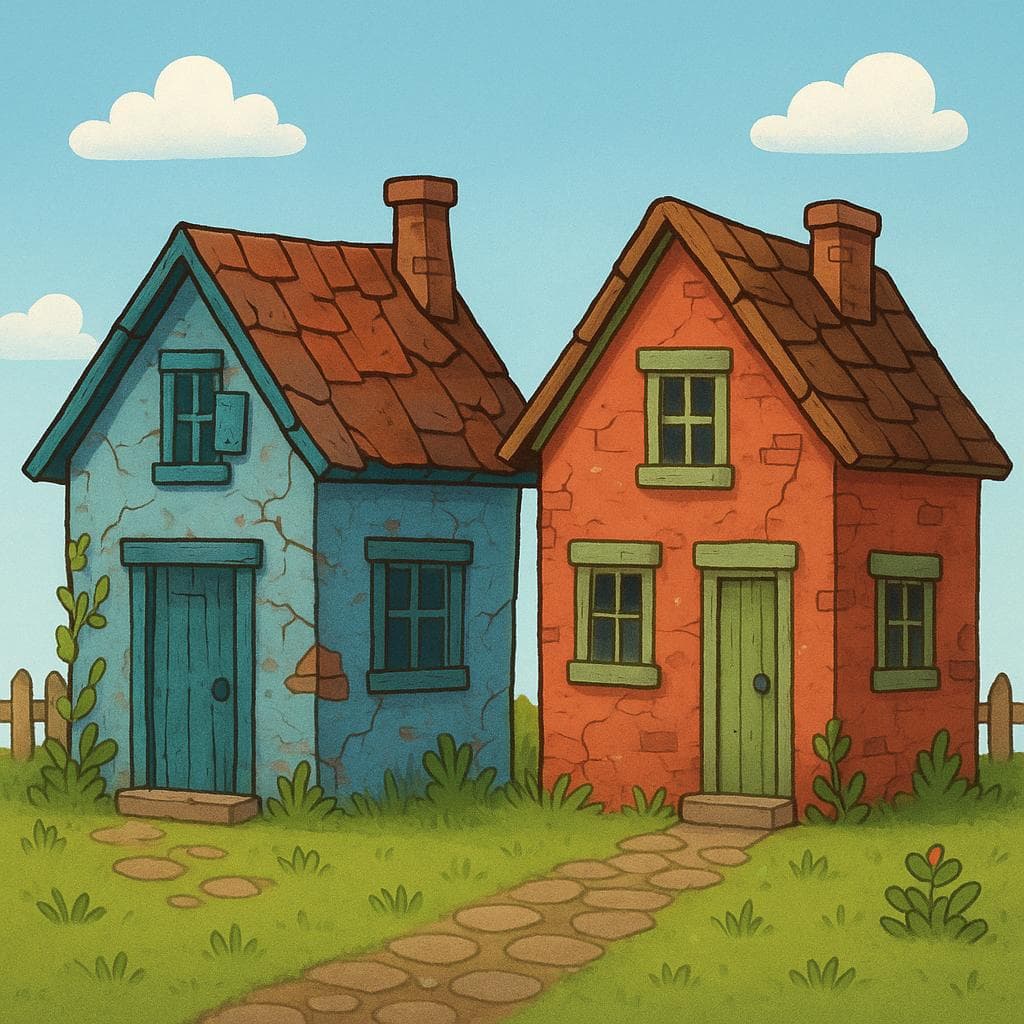
viejas
vee-EHH-hahsˈbje.xas
Examples
Las tradiciones viejas son las más bonitas.
The old traditions are the prettiest ones.
Compramos unas sillas viejas para restaurarlas.
We bought some old chairs to restore them.
Esas ideas son muy viejas; necesitamos algo nuevo.
Those ideas are very old; we need something new.
Matching the Adjective
Since 'viejas' describes things, it must match the thing in number (plural) and gender (feminine). It pairs with feminine plural nouns like 'puertas' (doors) or 'amigas' (friends).
Using the wrong ending
Mistake: “Las casas viejos (masculine ending).”
Correction: Las casas viejas (feminine ending). Remember the ending must match the noun exactly.
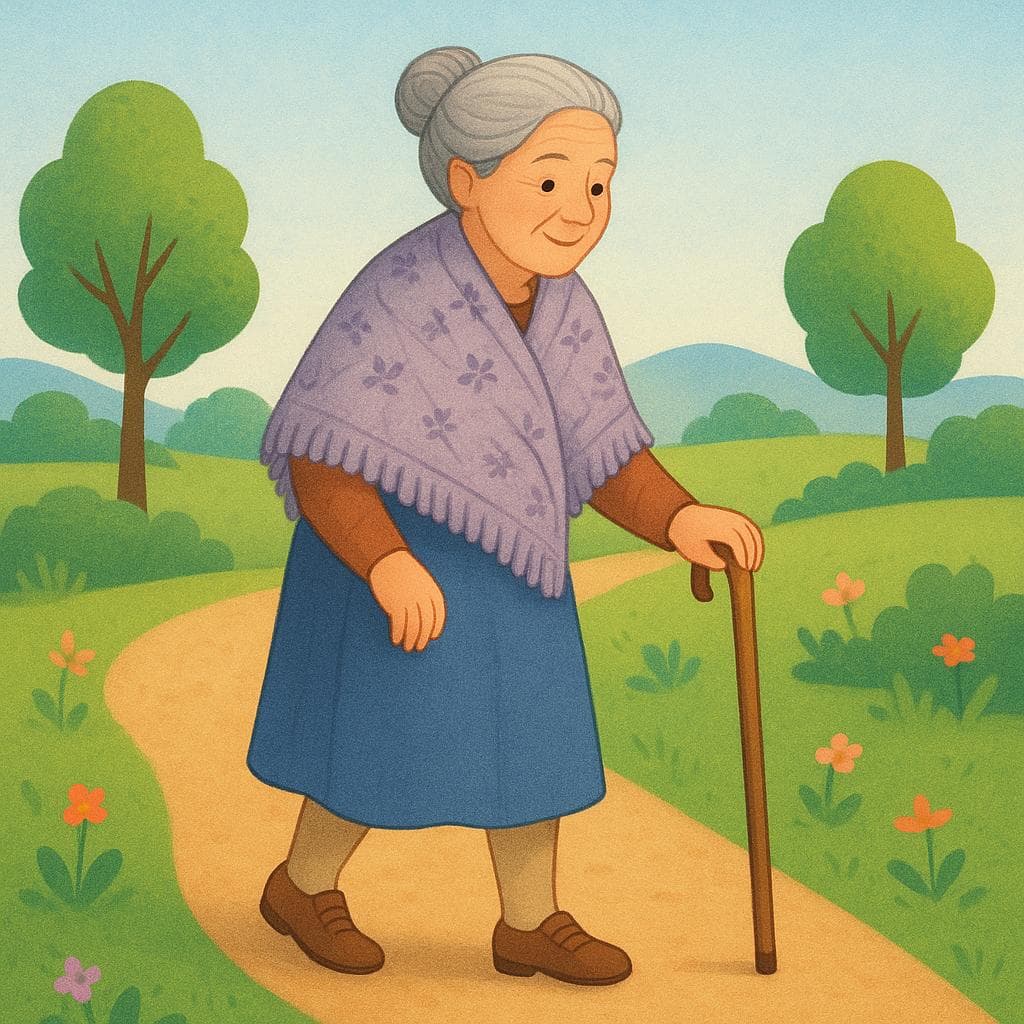
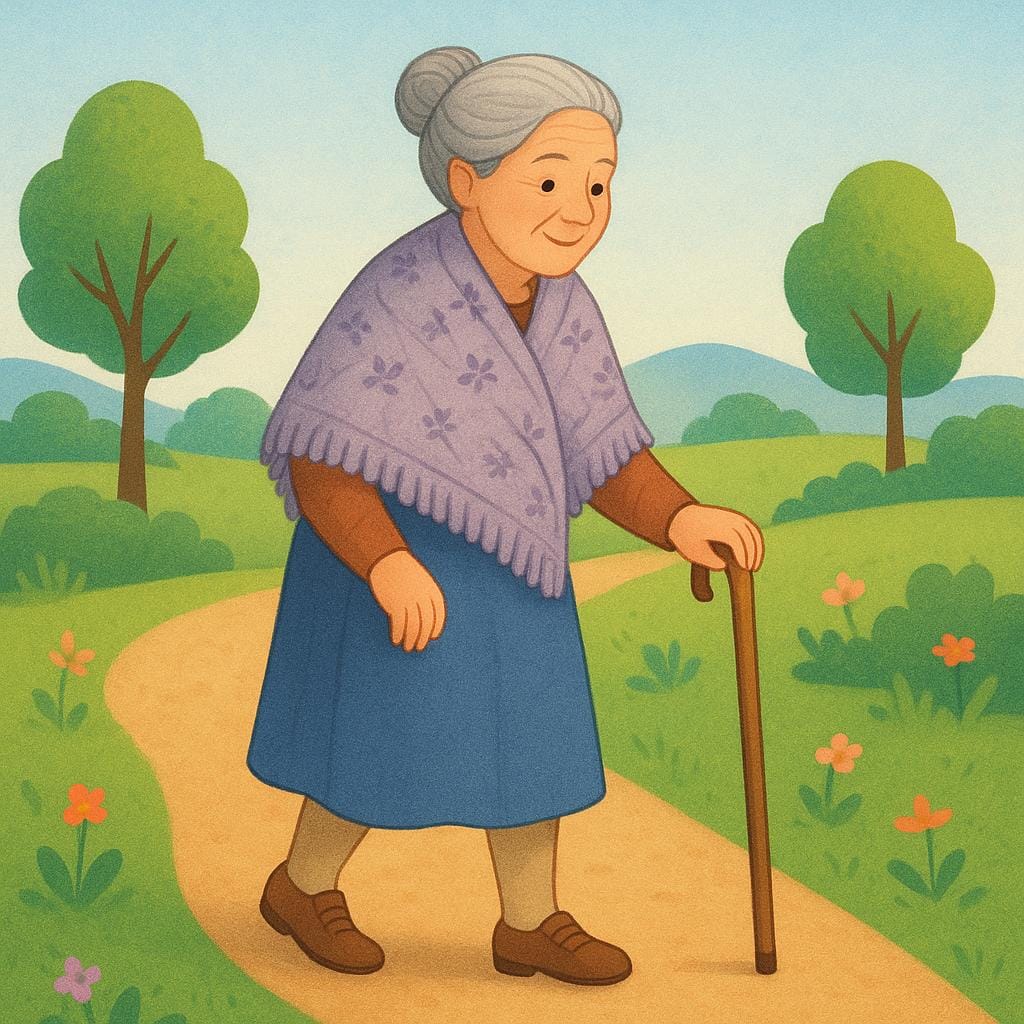
anciana
ahn-SYAH-nahanˈsjana
Examples
La reina anciana gobernó el país por medio siglo.
The elderly queen ruled the country for half a century.
Visitamos la iglesia más anciana del pueblo.
We visited the oldest/most ancient church in the town.
Adjective Agreement
As an adjective, 'anciana' must match the gender and number of the noun it describes. Since 'anciana' ends in -a, it is used with feminine nouns (like 'reina' or 'iglesia').
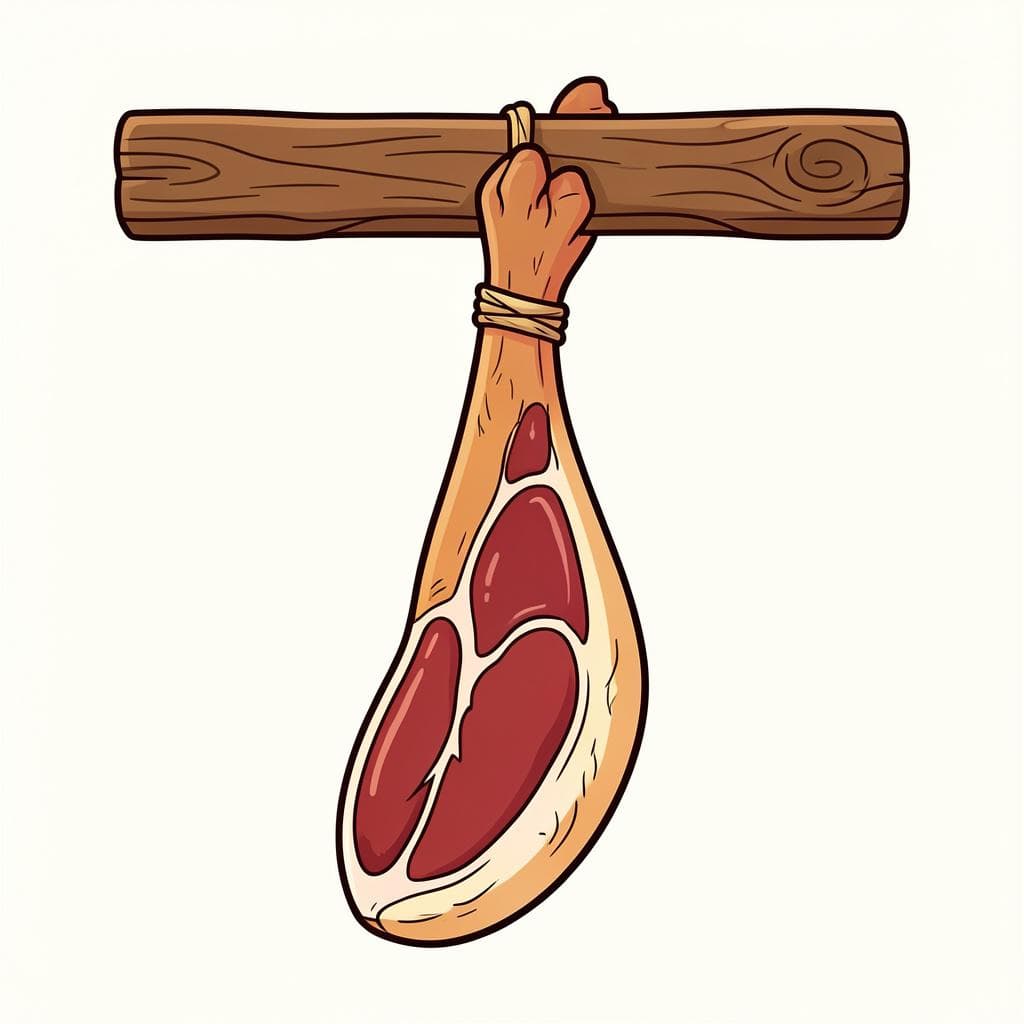
curado
koo-RAH-dohkuˈɾaðo
Examples
Prefiero el queso curado porque tiene más sabor.
I prefer aged cheese because it has more flavor.
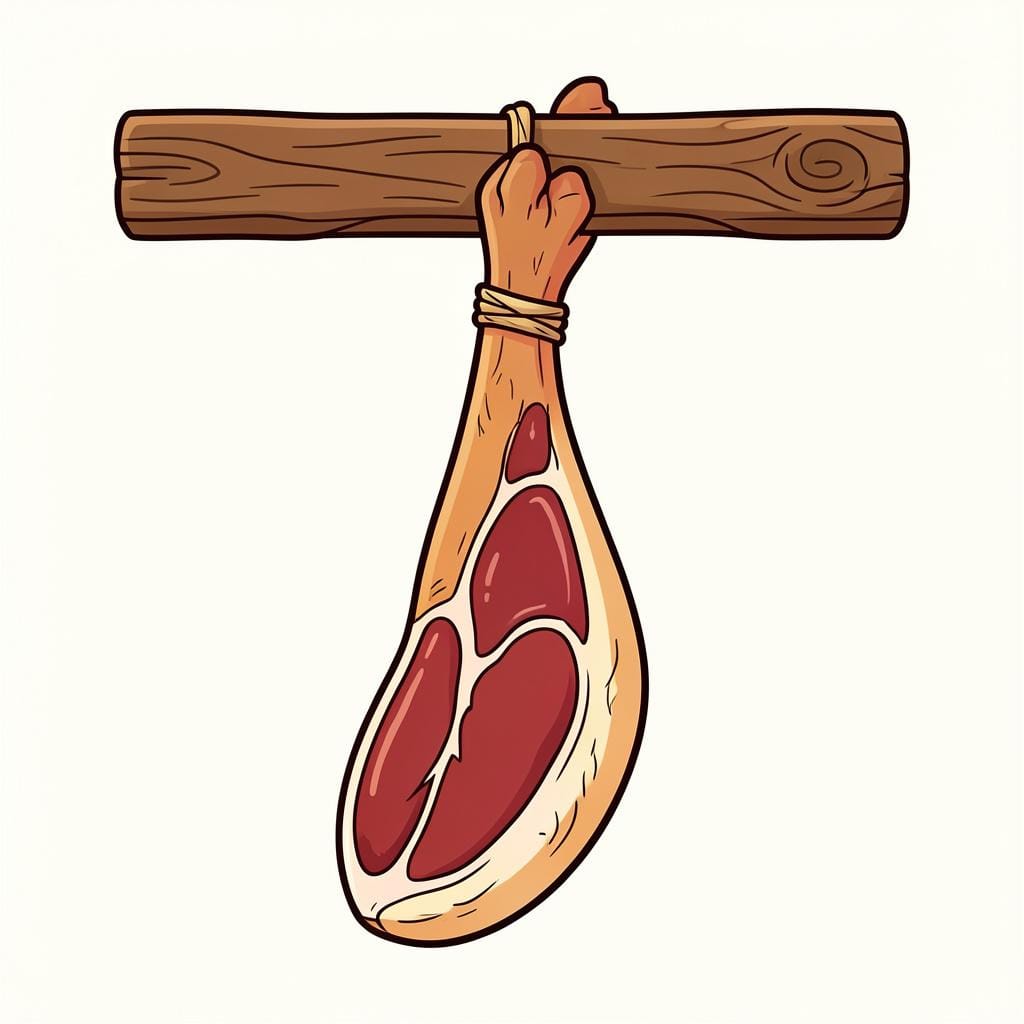
El jamón curado es una especialidad de España.
Cured ham is a specialty of Spain.
Confusing 'aged' food with general 'old' items
Related Translations
Learn Spanish with Inklingo
Interactive stories, personalized learning, and more.