How to Say "old woman" in Spanish
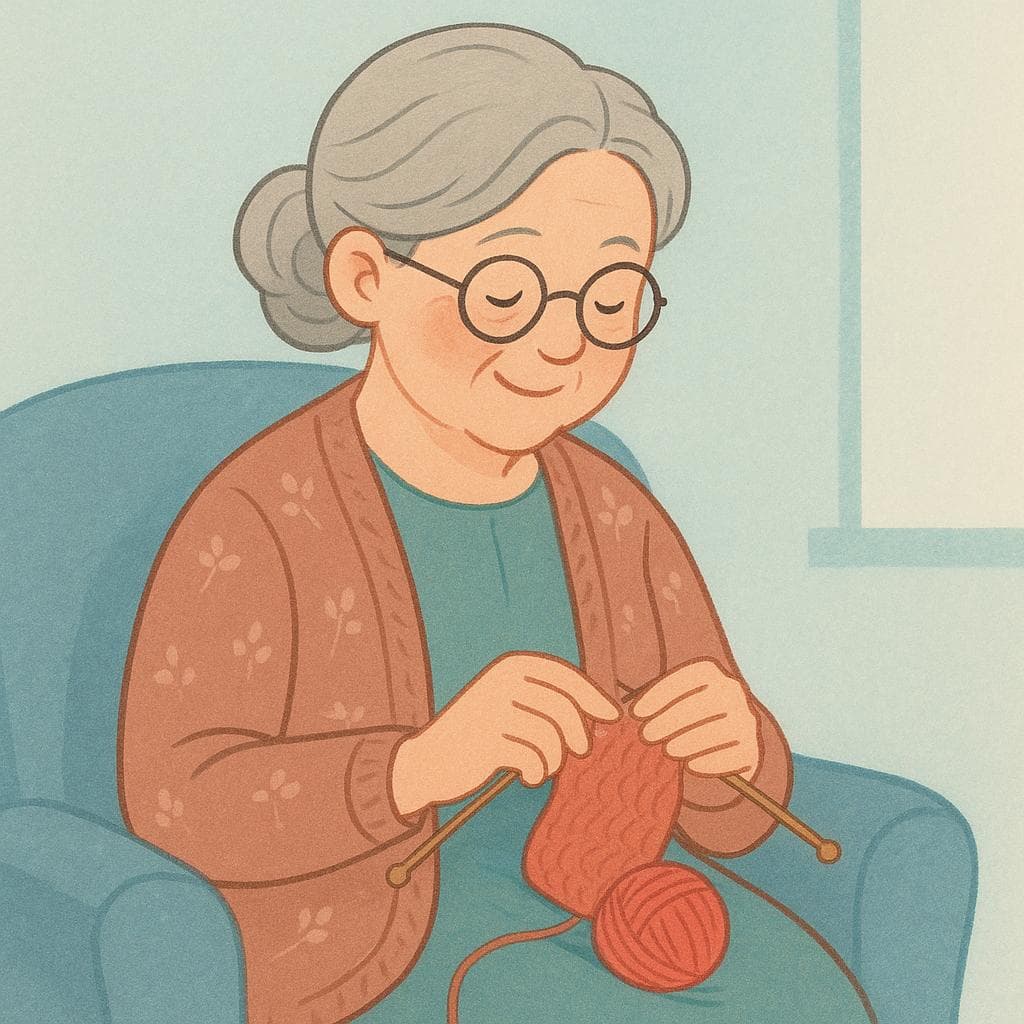
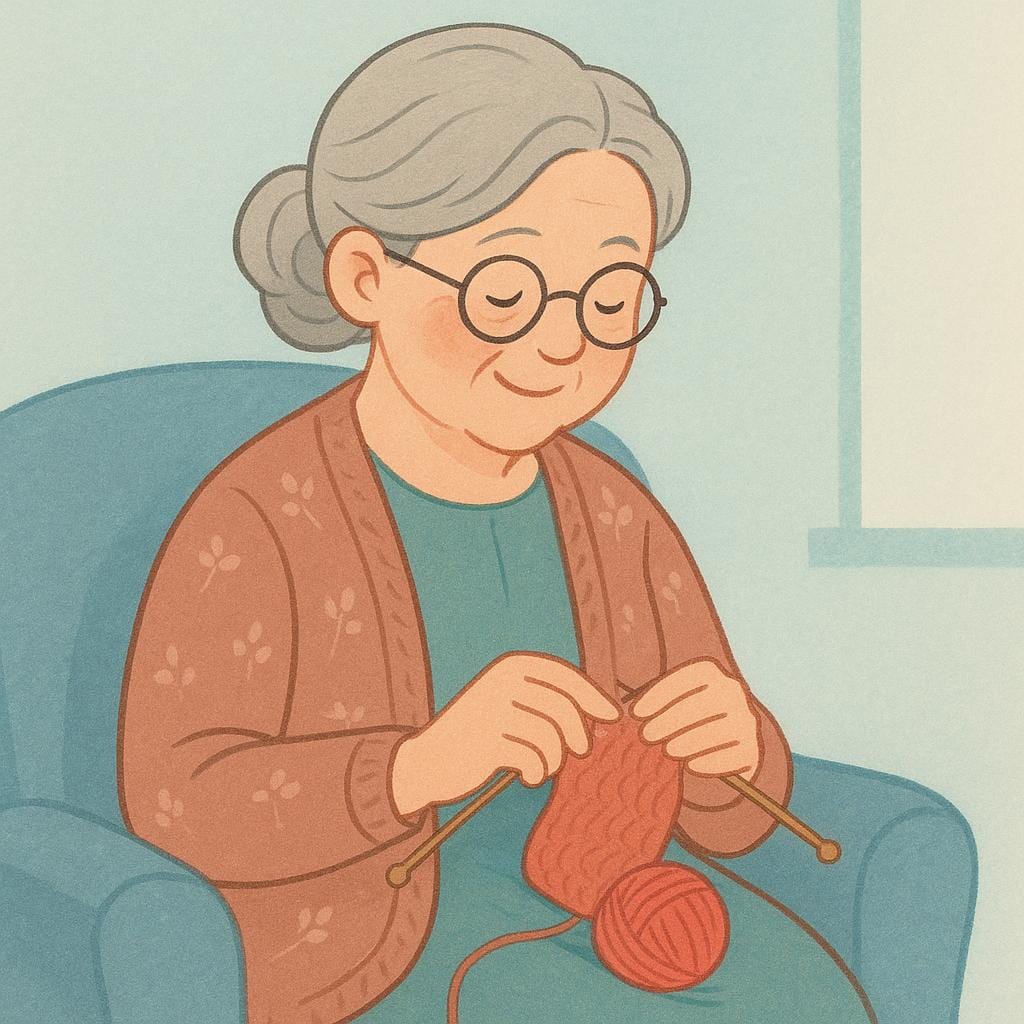
The most common Spanish word for “old woman” is “anciana” — use 'anciana' when you want to refer to an elderly woman in a respectful and formal way, emphasizing her advanced age.
anciana
ahn-SYAH-nahanˈsjana
Examples
La anciana cruzó la calle con ayuda de su nieto.
The old woman crossed the street with the help of her grandson.
Mi vecina es una anciana muy sabia que siempre da buenos consejos.
My neighbor is a very wise elderly woman who always gives good advice.
Los residentes del hogar de ancianas salieron al jardín.
The residents of the retirement home (home for elderly women) went out to the garden.
Feminine Form
This is the feminine form. If you are talking about an old man, you would use 'anciano' (masculine).
Using 'Vieja'
Mistake: “Llamar a una mujer 'vieja'.”
Correction: Use 'anciana' or 'mujer mayor'. 'Vieja' is technically correct but is often considered rude or disrespectful, especially when speaking to or about someone.
vieja
BYEH-hah'bjexa
Examples
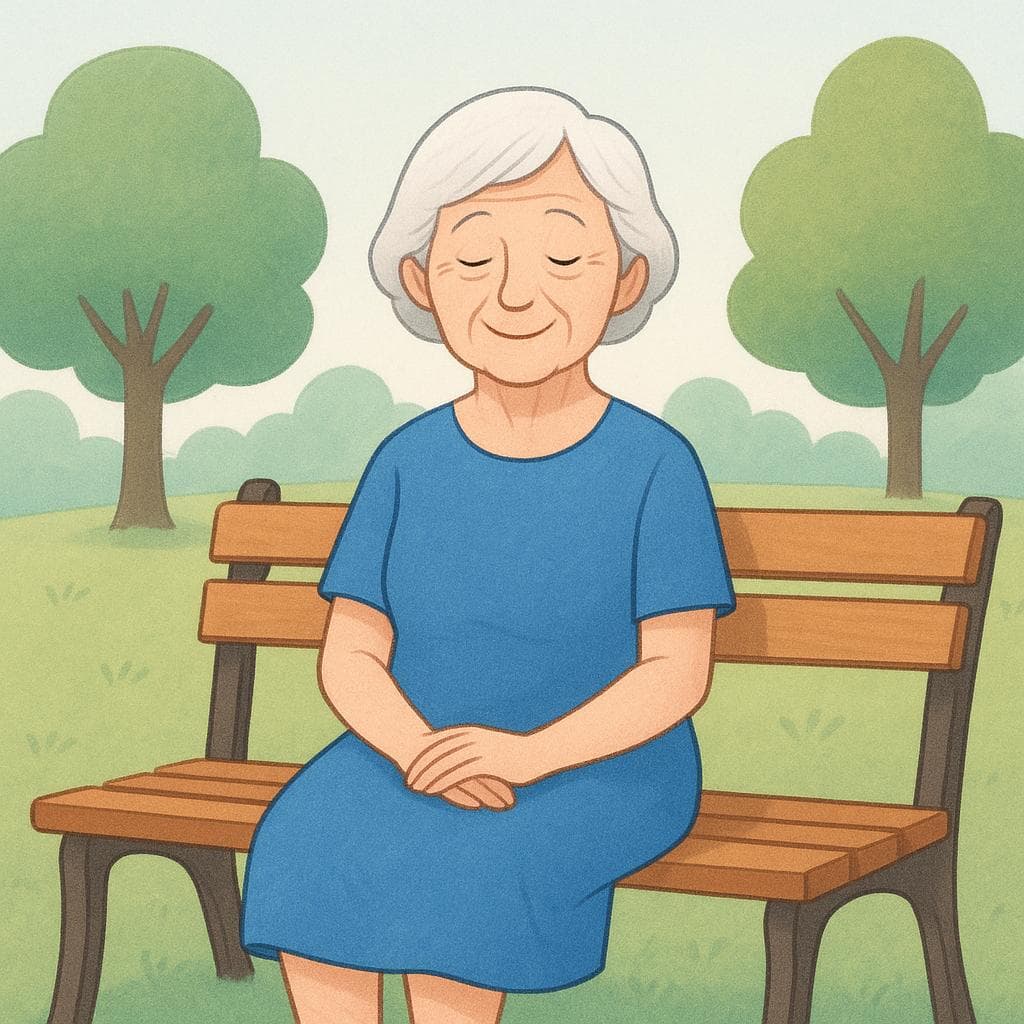
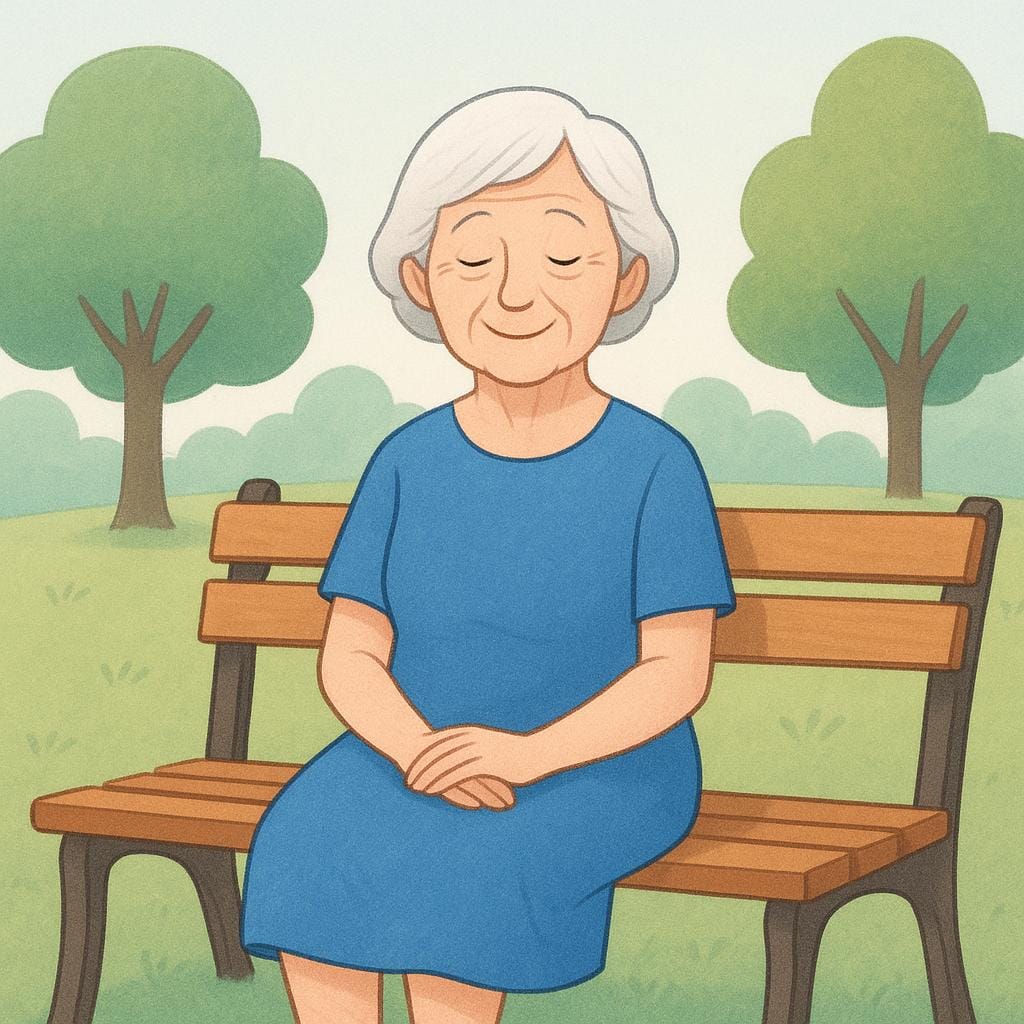
Una vieja simpática me ofreció su asiento en el autobús.
A nice old woman offered me her seat on the bus.
En el parque siempre hay un grupo de viejas charlando.
In the park, there's always a group of old ladies chatting.
Choosing Between 'Anciana' and 'Vieja'
Related Translations
Learn Spanish with Inklingo
Interactive stories, personalized learning, and more.