How to Say "mom" in Spanish
The most common Spanish word for “mom” is “mamá” — use 'mamá' as the standard, affectionate, and most common way to refer to your mother in most everyday situations.
Use 'mamá' as the standard, affectionate, and most common way to refer to your mother in most everyday situations.
Learn more →
Use 'ma' as a very informal, shortened, and casual term for 'mom', similar to 'ma' or 'mommy' in English, often used among close family.
Learn more →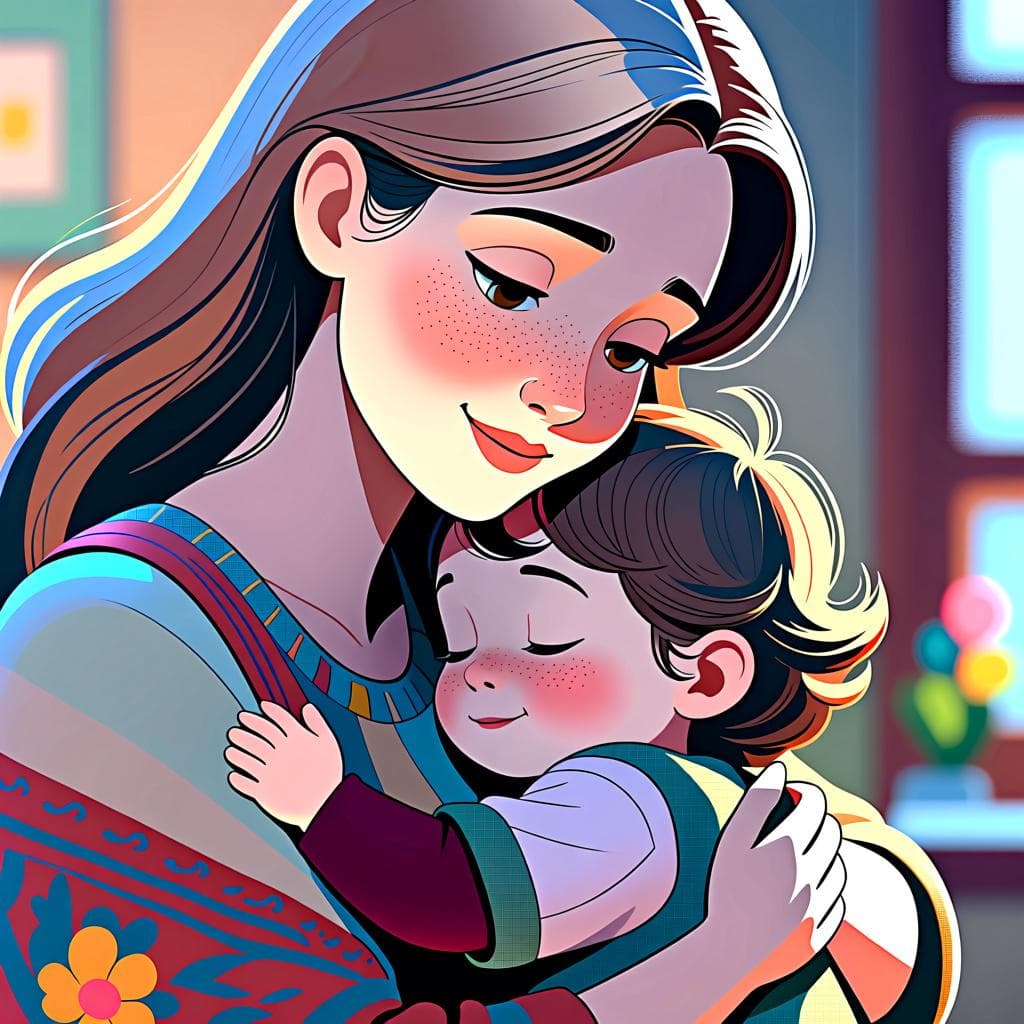
Use 'madre' when you want to refer to your mother in a slightly more formal or respectful way, though it can also be used informally.
Learn more →
Use 'mami' as a very affectionate and childlike term for 'mom', similar to 'mommy' in English, often used by younger children or in very intimate contexts.
Learn more →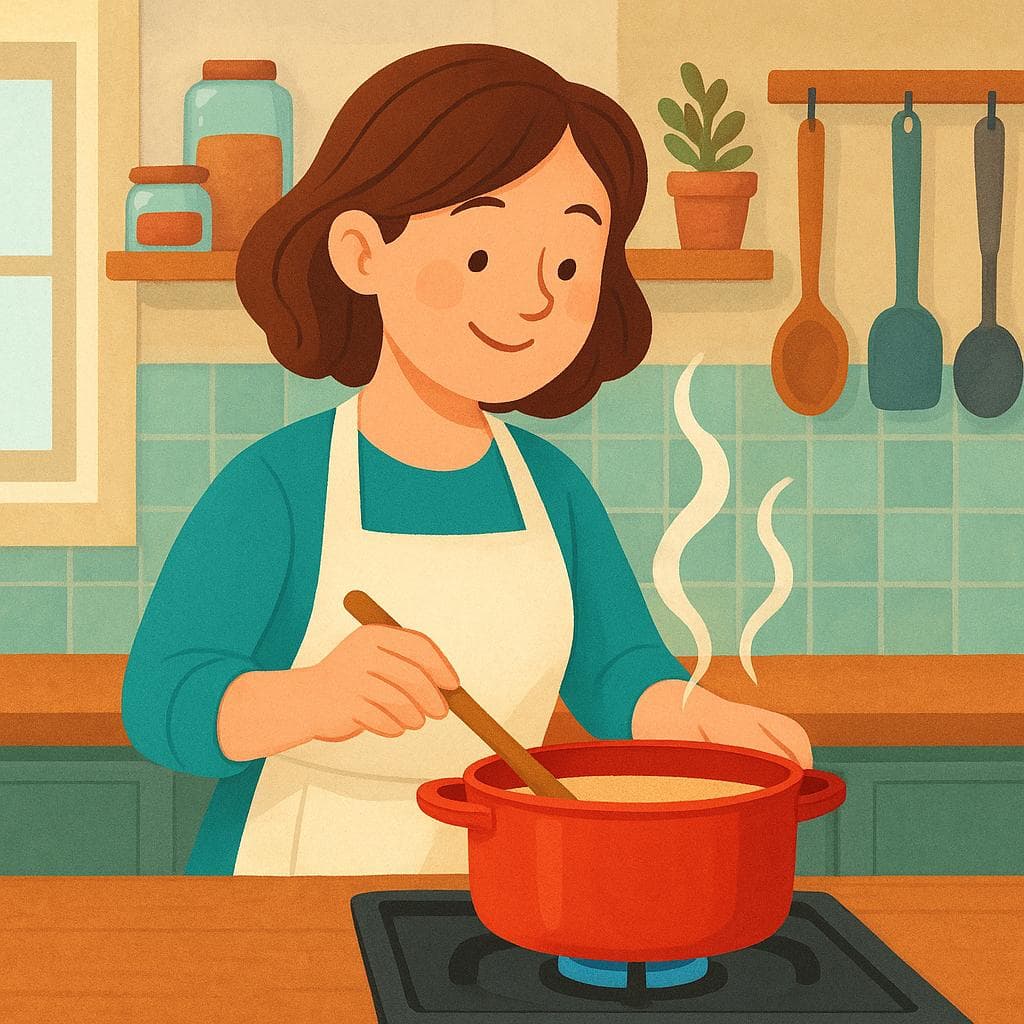
Use 'vieja' colloquially and affectionately, often among friends, to refer to your mother, but be aware it can also mean 'old woman' or even 'girlfriend/wife' depending on context.
Learn more →mamá
Examples
Mi mamá me lee un cuento cada noche.
My mom reads me a story every night.
mahma

Examples
¡Hola, ma! ¿Cómo estuvo tu día?
Hi, ma! How was your day?
Ma, ¿me ayudas con la tarea?
Ma, can you help me with my homework?
Le pregunté a mi ma si podía salir.
I asked my mom if I could go out.
Clipping for Affection
Spanish speakers often chop off the end of words like 'mamá' (ma) or 'papá' (pa) to make them sound extra sweet and casual when talking to family.
Article Usage
Even though it is shortened, you still treat it like a normal noun. You can say 'mi ma' (my mom) or 'la ma' (the mom) just like you would with 'mamá'.
Formal Situations
Mistake: “Using 'ma' in a business email or formal letter.”
Correction: Use 'madre' or 'mamá' depending on the context. 'Ma' is strictly for talking to your mother or very close family members.
MAH-drayˈmaðɾe
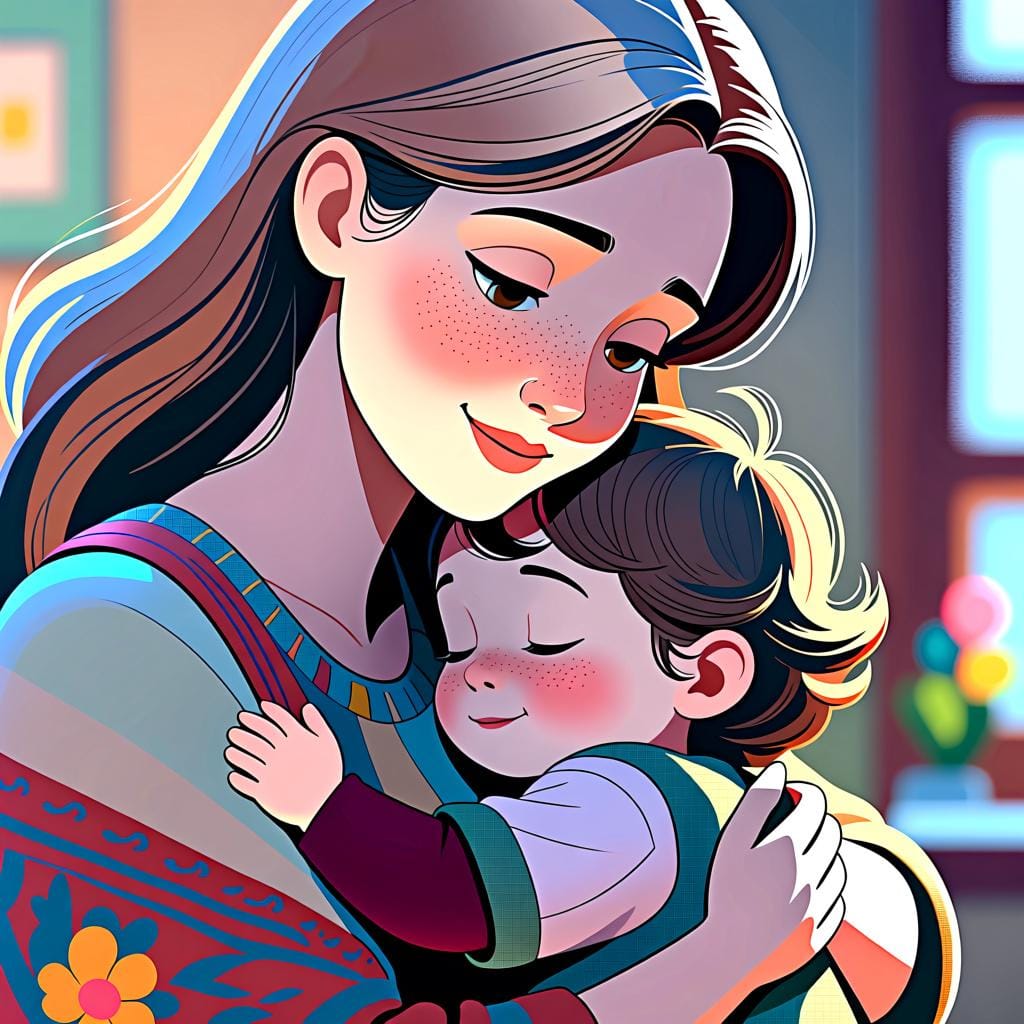
Examples
Mi madre es muy simpática.
My mother is very nice.
Voy a llamar a mi madre por su cumpleaños.
I'm going to call my mother for her birthday.
La madre de mi amigo es de Argentina.
My friend's mother is from Argentina.
Always a 'She'
'Madre' is a feminine word, which means you always use 'la' or 'una' before it. For example, 'la madre' (the mother) or 'una madre' (a mother).
'Madre' vs. 'Mamá'
Mistake: “Using 'madre' when talking to your own mother in a casual setting.”
Correction: While 'madre' is correct, 'mamá' is much more common and affectionate, like 'mother' vs. 'mom' in English. You'd call out, '¡Mamá!' not '¡Madre!'
MAH-meeˈmami

Examples
Mami, ¿puedes ayudarme con la tarea?
Mommy, can you help me with my homework?
Voy a llamar a mi mami para ver cómo está.
I’m going to call my mom to see how she is.
Affectionate Use
This word is a shortened, sweet way to say 'mother' (mamá). It emphasizes closeness and love.
Confusing Endings
Mistake: “Using 'mamo' for 'daddy'.”
Correction: The equivalent affectionate term for father is usually 'papi' or 'papá'. 'Mami' is strictly feminine.
BYEH-hah'bjexa
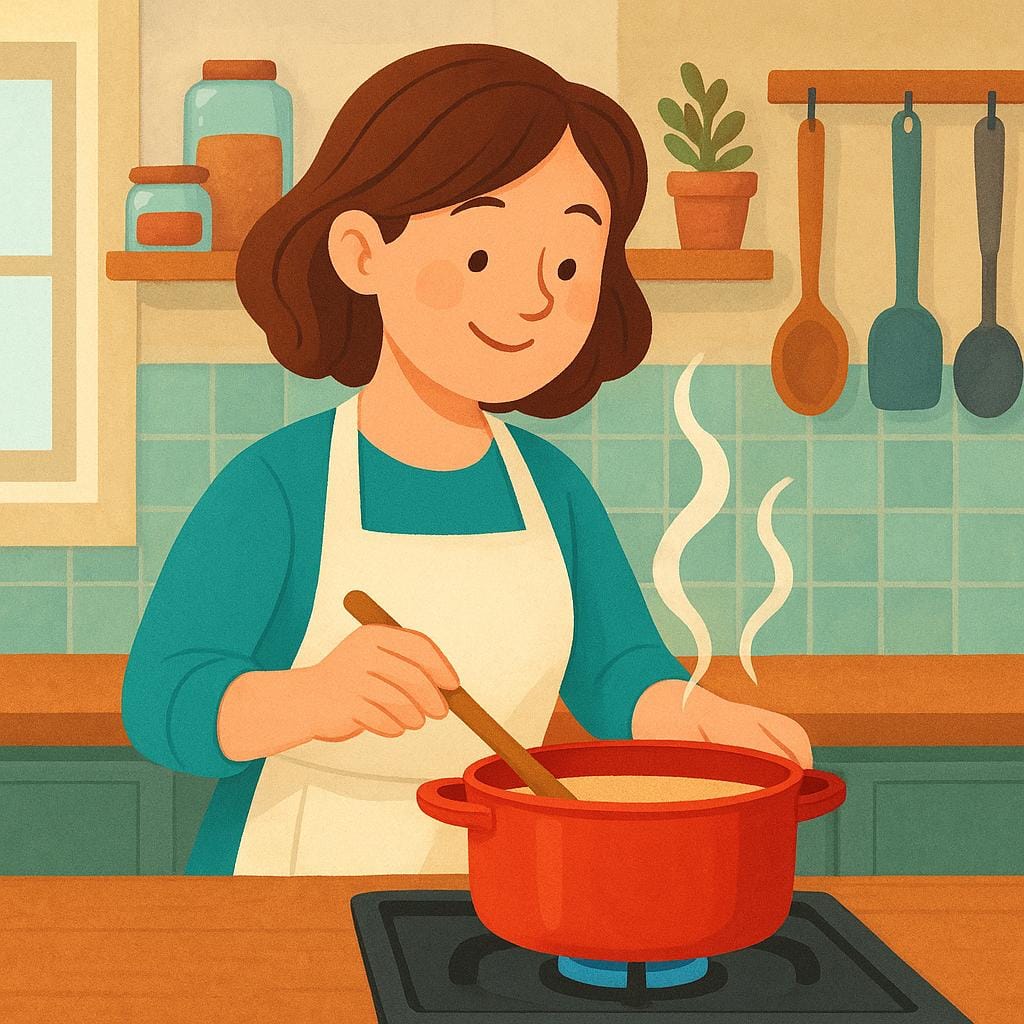
Examples
Voy al cine con mi vieja.
I'm going to the movies with my mom.
Mi vieja cocina el mejor pozole.
My mom makes the best pozole.
Choosing the Right Term for 'Mom'
Learners often confuse 'mamá' with 'madre', not realizing 'madre' can sound more formal or distant. Also, be cautious with 'vieja'; while affectionate in some contexts for mothers, it's more commonly used for a girlfriend or wife, and can be disrespectful if used inappropriately.
Related Translations
Learn Spanish with Inklingo
Interactive stories, personalized learning, and more.