How to Say "girls" in Spanish
The most common Spanish word for “girls” is “niñas” — use 'niñas' specifically for young female children, generally those under the age of puberty, emphasizing their youth and innocence.
Use 'niñas' specifically for young female children, generally those under the age of puberty, emphasizing their youth and innocence.
Learn more →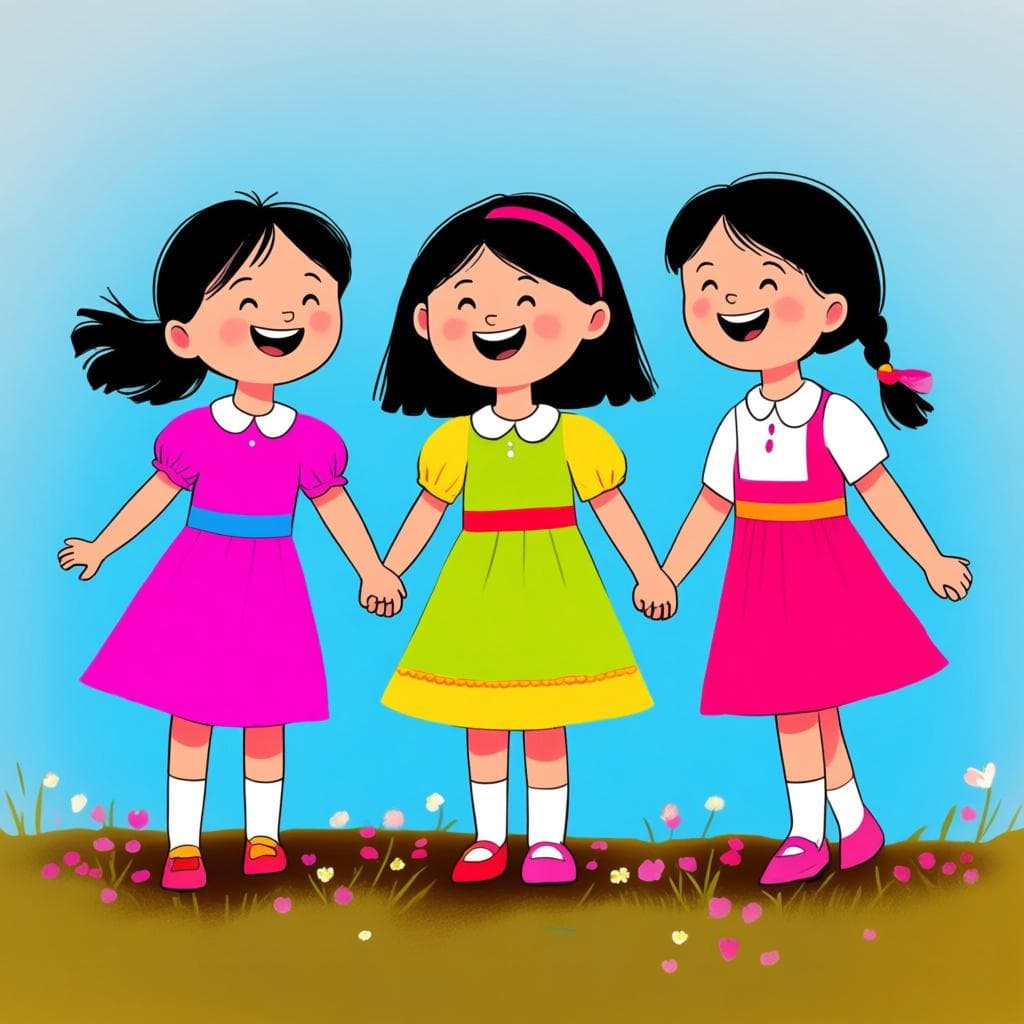
Use 'chicas' as a general term for a group of female children or young women, applicable from childhood through young adulthood.
Learn more →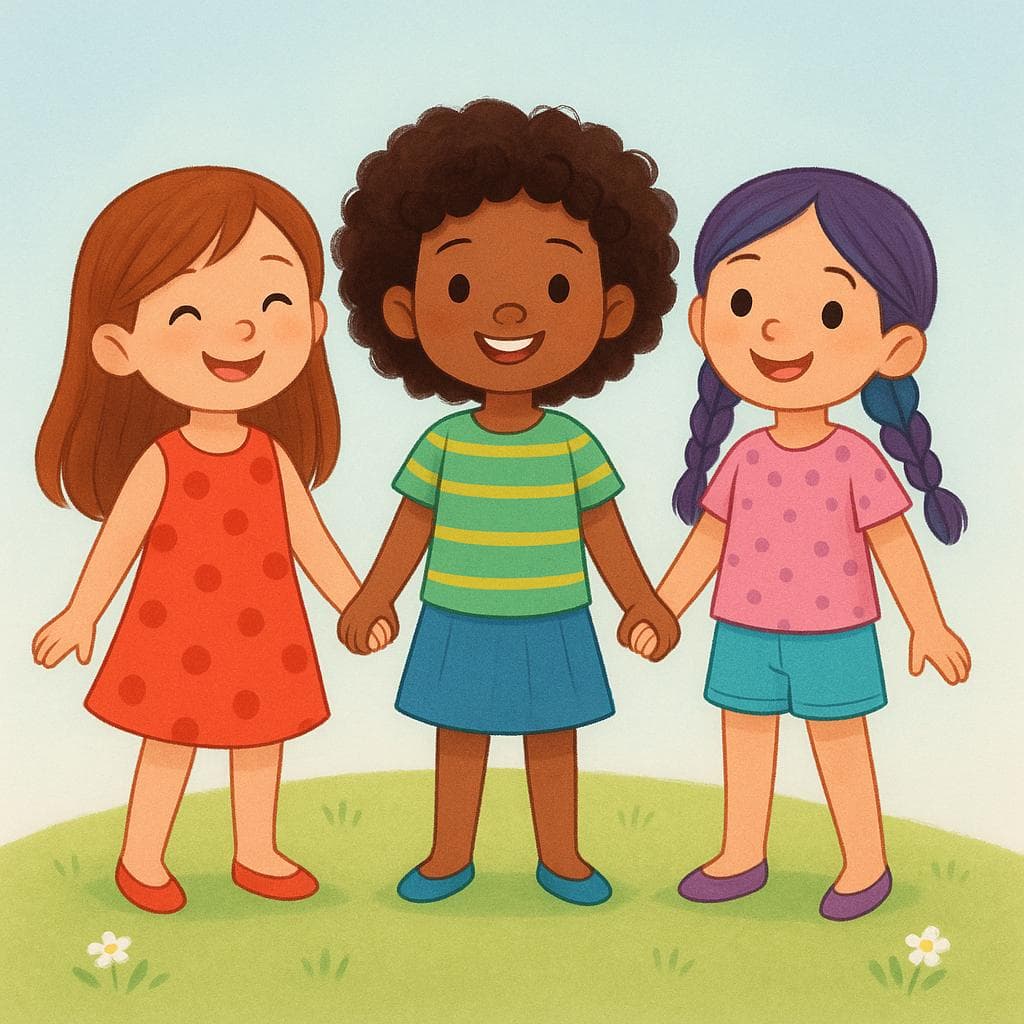
Use 'muchachas' for a group of females who are typically adolescents or very young adults, often implying they are students or in a similar age bracket.
Learn more →Use 'señoritas' to refer to young women, typically teenagers or young adults, often implying a degree of politeness or formality.
Learn more →
Use 'hijas' exclusively when referring to one's own daughters, as it specifically means 'daughters' and not 'girls' in a general sense.
Learn more →
Use 'minas' informally and colloquially to refer to young women, often with a casual, appreciative, or sometimes objectifying tone, common in some Latin American countries.
Learn more →
Use 'viejas' familiarly and informally to refer to one's close female friends, similar to saying 'my girls' or 'my pals' in English.
Learn more →niñas
Examples
Las niñas están jugando en el parque.
The girls are playing in the park.
CHEE-kahsˈtʃikas
Examples
Las chicas están jugando en el parque.
The girls are playing in the park.
¡Hola, chicas! ¿Cómo estáis?
Hi, girls! How are you?
Voy a salir con unas chicas de la oficina.
I'm going out with some girls from the office.
Plural of 'chica'
'Chicas' is the plural form of 'chica' (girl). To make most Spanish words plural that end in a vowel, you just add an -s.
Referring to a Mixed Group
Mistake: “Using 'chicas' to talk to a group of boys and girls.”
Correction: For a mixed group, always use the masculine plural form: 'chicos'. For example, 'Hola, chicos' works for a group of all boys or a group of boys and girls.
moo-CHAH-chasmuˈt͡ʃa.t͡ʃas
Examples
Las muchachas están esperando a la salida de la escuela.
The girls are waiting outside the school.
¡Hola, muchachas! ¿Cómo les fue el fin de semana?
Hello, young women! How was your weekend?
Un grupo de muchachas organizó una fiesta sorpresa.
A group of young women organized a surprise party.
Plural and Gender
This word is the plural form of 'muchacha' and is always feminine. This means that any words describing or referring to the 'muchachas' (like 'las' or an adjective) must also be feminine and plural.
Using the wrong article
Mistake: “Los muchachas están aquí.”
Correction: Las muchachas están aquí. Remember, 'muchachas' requires the feminine plural article 'las'.
señoritas
Examples
Las señoritas en la mesa de al lado estaban riendo mucho.
The young ladies at the next table were laughing a lot.
EE-hassˈixas
Examples
Mis hijas ya tienen veinte años.
My daughters are already twenty years old.
Ella tiene dos hijas y un hijo.
She has two daughters and one son.
Las hijas de mi vecina estudian música.
My neighbor's daughters study music.
Feminine Plural
This word is the plural form of the singular noun 'hija' (daughter). Since 'hija' ends in a vowel ('a'), we add an '-s' to make it plural: 'hijas'.
Gender Consistency
Since 'hijas' is a feminine plural noun, any adjectives or articles used with it must also be feminine and plural (e.g., 'Mis hijas' / 'Las hijas').
Confusing Gender Plurals
Mistake: “Using 'hijos' when referring only to female children.”
Correction: 'Hijos' (with an 'o') means 'sons' or 'children' (mixed gender group). Use 'hijas' (with an 'a') only when referring specifically to daughters.
MEE-nahsˈminas

Examples
¡Viste a esas minas en el concierto? ¡Qué buena onda!
Did you see those girls at the concert? They were really cool!
¿Viste a esas minas en el concierto? ¡Qué buena onda!
Did you see those girls at the concert? They were really cool!
Todas las minas de mi clase están estudiando mucho para el examen.
All the women in my class are studying hard for the exam.
Plural Noun
This is the plural form of the noun 'mina' (meaning 'girl' in this context). It's used just like 'chicas' or 'mujeres'.
Using Slang Universally
Mistake: “Using 'minas' in formal settings or outside of the Southern Cone/Andean regions.”
Correction: Use 'chicas' or 'mujeres' when traveling outside of countries like Argentina or Chile, or in professional situations.
vee-EHH-hahsˈbje.xas

Examples
Voy a salir con mis viejas esta noche.
I'm going out with my girls/pals tonight.
¿Dónde están las viejas? Llevan horas de retraso.
Where are the girls? They are hours late.
Possessive Use
This slang meaning is almost always used with a possessive word, like 'mis' (my) or 'tus' (your), to show close connection: 'mis viejas'.
Niñas vs. Chicas vs. Muchachas
The most common mistake is using 'niñas' or 'muchachas' for any group of females. Remember 'niñas' is for young children, 'muchachas' for teens/young adults, and 'chicas' is the most versatile general term for girls and young women.
Related Translations
Learn Spanish with Inklingo
Interactive stories, personalized learning, and more.