hijas
“hijas” means “daughters” in Spanish (female children).
daughters
Also: girls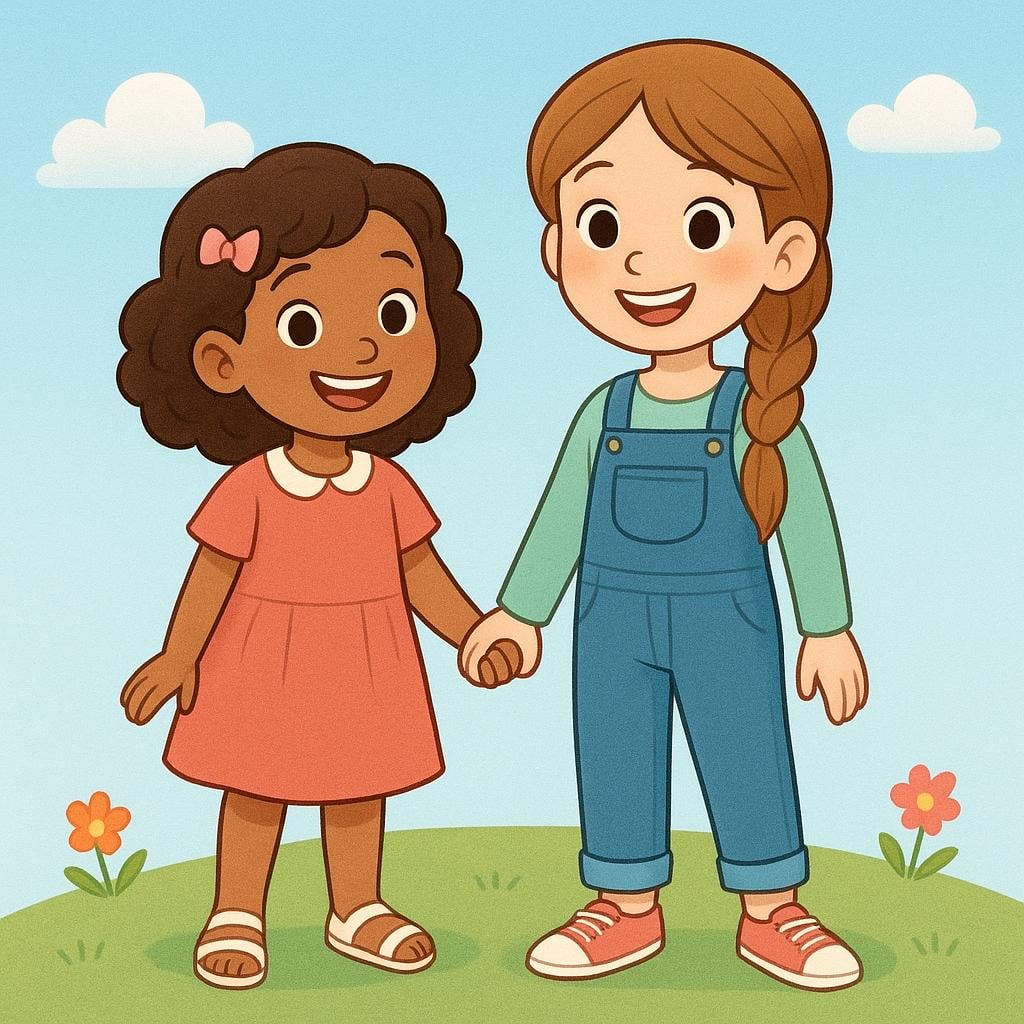
📝 In Action
Mis hijas ya tienen veinte años.
A1My daughters are already twenty years old.
Ella tiene dos hijas y un hijo.
A2She has two daughters and one son.
Las hijas de mi vecina estudian música.
B1My neighbor's daughters study music.
Translate to Spanish
✏️ Quick Practice
Quick Quiz: hijas
Question 1 of 1
Which sentence correctly uses 'hijas'?
📚 More Resources
🎵 Rhymes▼
📚 Etymology▼
The word comes from the Latin word *filia*, which meant 'daughter'. Over centuries, the 'f' sound changed into the silent 'h' we see today in Spanish.
First recorded: 10th century (in the form 'fija', later evolving to 'hija')
Cognates (Related words)
💡 Master Spanish
Take your Spanish to the next level. Read 200+ illustrated and narrated Spanish stories tailored to your level with the Inklingo app!
Frequently Asked Questions
¿Cuál es la diferencia entre 'hijas' y 'hijos'?
'Hijas' refers specifically to female children (daughters). 'Hijos' refers to male children (sons) or a mixed group of children (both sons and daughters).