How to Say "costumes" in Spanish
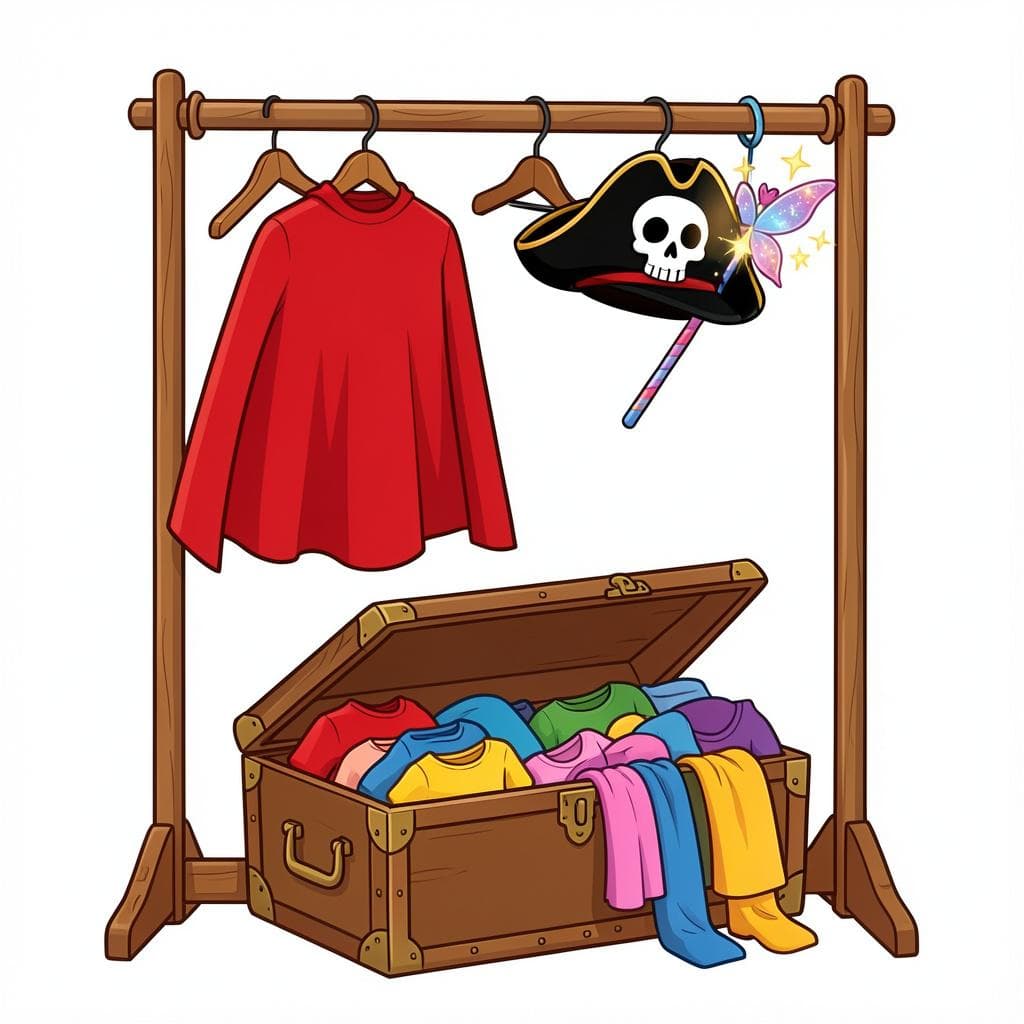
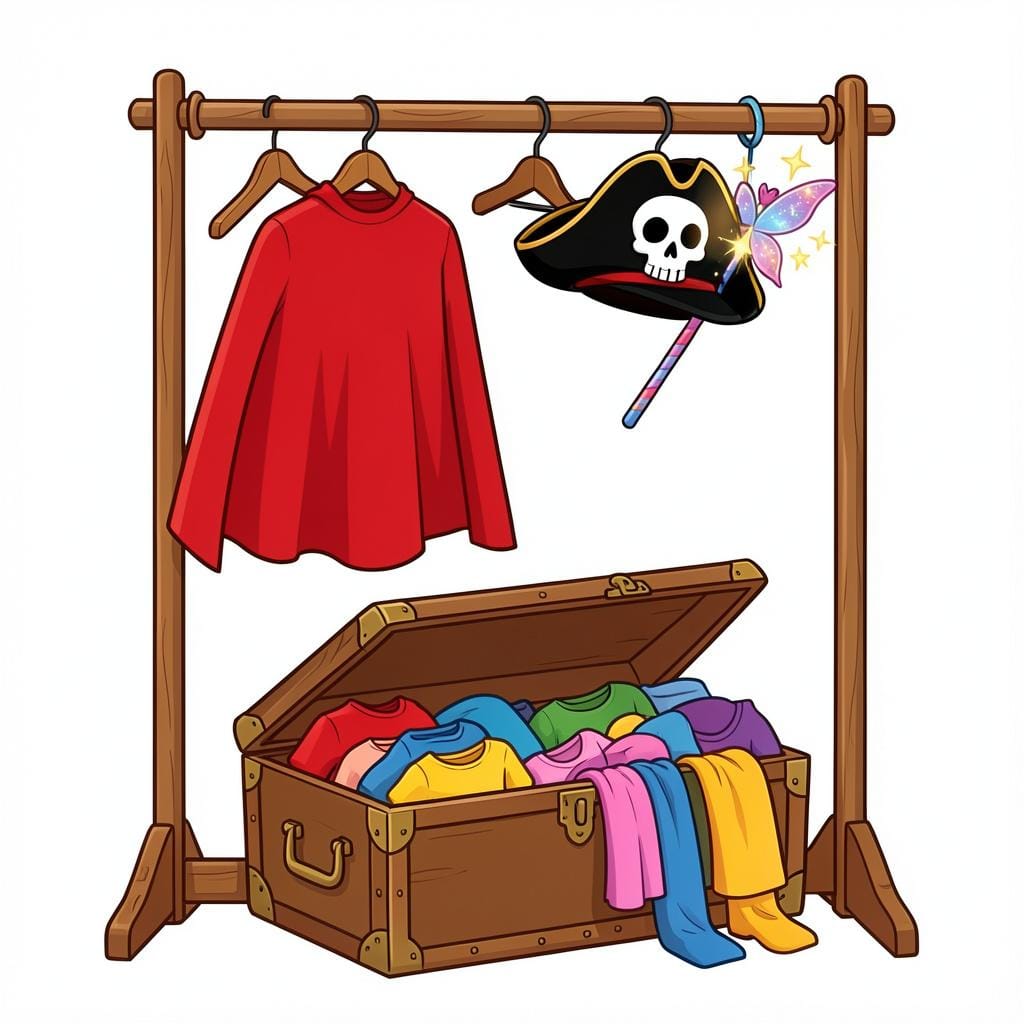
The most common Spanish word for “costumes” is “disfraces” — use 'disfraces' when referring to outfits worn for fun at parties, festivals, Halloween, or theatrical performances where the goal is to impersonate someone or something else.

disfraces
dees-FRA-sesdisˈfɾases
Examples
Los niños se divirtieron mucho con sus disfraces de animales.
The children had a lot of fun with their animal costumes.
Me encantan tus disfraces de superhéroes.
I love your superhero costumes.
Mañana hay una fiesta de disfraces en la escuela.
Tomorrow there is a costume party at the school.
Los espías usaron disfraces para entrar al edificio.
The spies used disguises to enter the building.
The 'Z' to 'C' Swap
In Spanish, when a word ends in 'z' (like 'disfraz'), it always changes to a 'c' before adding 'es' to make it plural. It's just a spelling rule to keep the 's' sound!
Masculine Plural
Even though it ends in 'es', this word is masculine. Use 'los' or 'unos' when talking about these costumes.
Spelling Error
Mistake: “disfrazes”
Correction: disfraces (Remember: words ending in 'z' change to 'c' in the plural form).
trajes
TRAH-hesˈtɾaxes

Examples
El novio llevaba un elegante traje azul.
The groom was wearing an elegant blue suit.
Necesito comprar dos trajes nuevos para la boda.
I need to buy two new suits for the wedding.
Los niños llevaban trajes de superhéroes en la fiesta.
The children were wearing superhero costumes at the party.
Todos sus trajes de buceo están guardados en el garaje.
All their diving suits are stored in the garage.
Plural Noun Rule
This word is the plural of the masculine noun 'traje' (suit/costume). Since 'traje' ends in a vowel, you just add '-s' to make it plural: traje → trajes.
Gender Confusion
Mistake: “Using 'las trajes'.”
Correction: Since 'traje' is a masculine noun, its plural must use the masculine article: 'los trajes'.
Disfraces vs. Trajes
Related Translations
Learn Spanish with Inklingo
Interactive stories, personalized learning, and more.