How to Say "cry" in Spanish
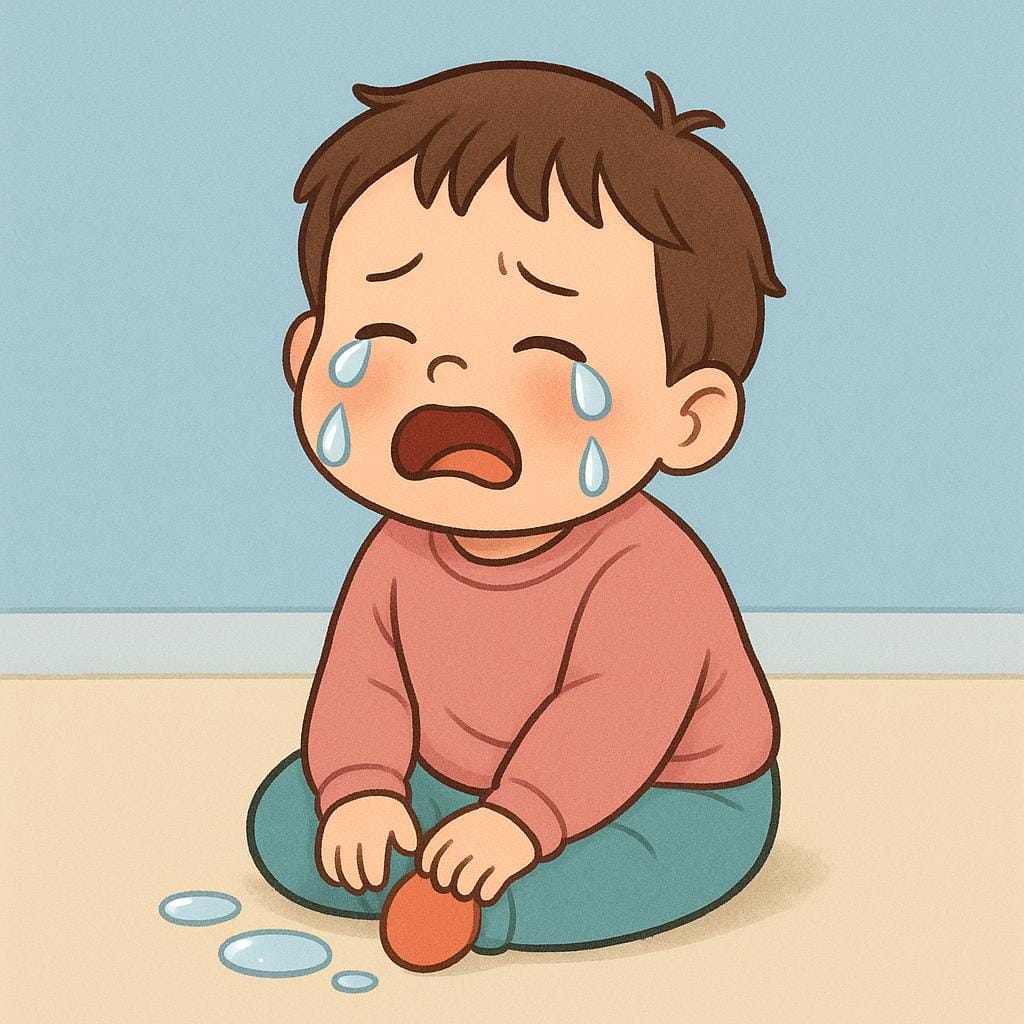
The most common Spanish word for “cry” is “llorar” — use 'llorar' when you mean the act of shedding tears, typically due to sadness, pain, or strong emotion.
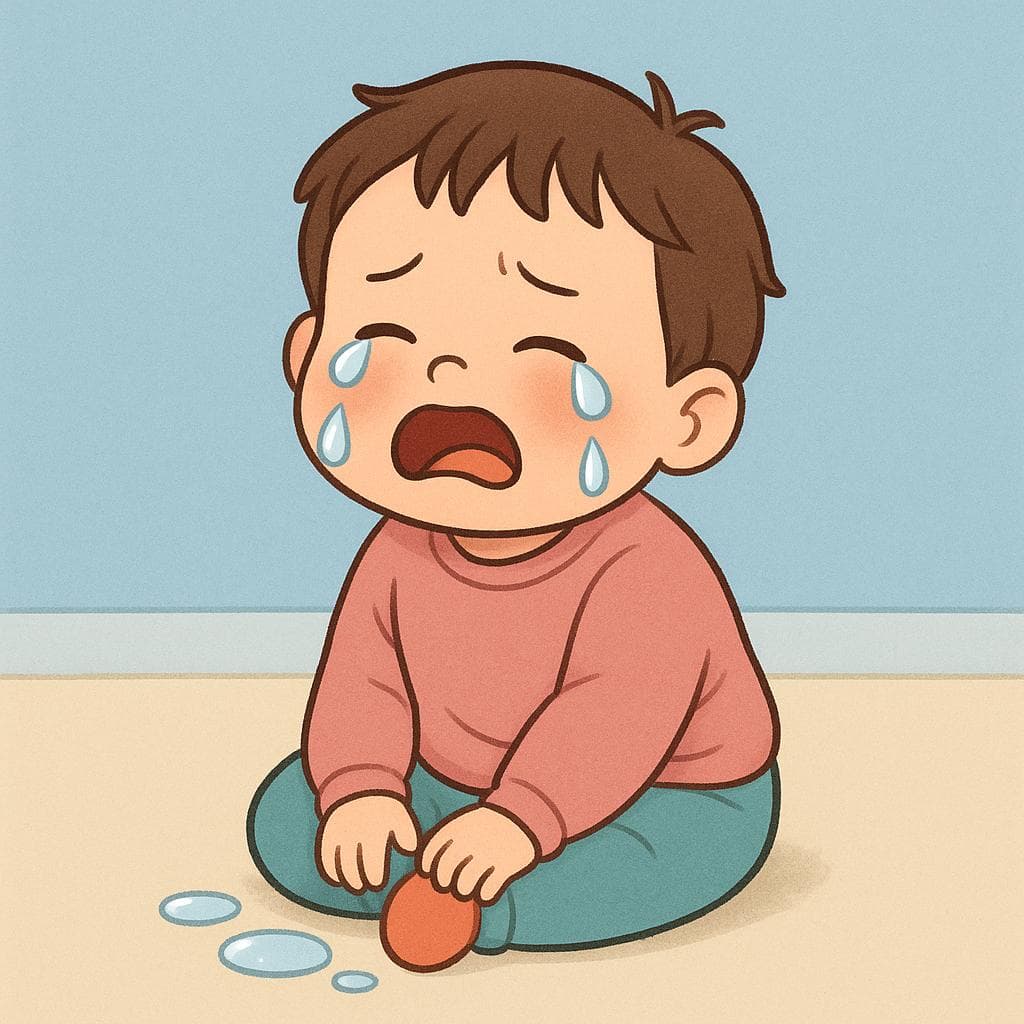

llorar
yoh-RAHR (The 'll' sounds like the 'y' in 'yes' in most of Latin America, or the 'l-y' blend in 'million' in Spain.)ʝoˈɾaɾ
Examples
El niño lloró cuando se cayó y se lastimó la rodilla.
The child cried when he fell and hurt his knee.
El bebé empezó a llorar porque tenía hambre.
The baby started to cry because he was hungry.
Lloramos de alegría cuando vimos que estaba bien.
We cried tears of joy when we saw that he was okay.
No llores por cosas pequeñas; sé fuerte.
Don't cry over small things; be strong.
Simple Regular Verb
Llorar is a regular verb, meaning its endings follow the standard, predictable pattern for all verbs that end in -ar. Once you learn the pattern for one, you know them all!
grito
gree-tohˈɡrito

Examples
Un grito repentino interrumpió el silencio de la noche.
A sudden cry interrupted the silence of the night.
Escuchamos un grito de auxilio desde el bosque.
We heard a cry for help from the woods.
El grito de gol del público fue ensordecedor.
The crowd's shout (yell) of 'goal' was deafening.
Con un grito de alegría, abrazó a su madre.
With a shout of joy, he hugged his mother.
Using 'Dar'
To express the action of making a shout, Spanish speakers usually use the verb 'dar' (to give) before 'grito': 'Ella dio un grito' (She gave a shout).
Confusing Noun and Verb
Mistake: “Using 'grito' when you mean the action 'to shout' (gritar).”
Correction: Remember 'grito' is the sound itself (the noun). If you want to say 'I shout,' you use the verb form: 'Yo grito' (I shout).
Confusing Shouts with Tears
Learn Spanish with Inklingo
Interactive stories, personalized learning, and more.