How to Say "shout" in Spanish
The most common Spanish word for “shout” is “grito” — use 'grito' when referring to the noun form of a loud yell or sound, often indicating distress or excitement.

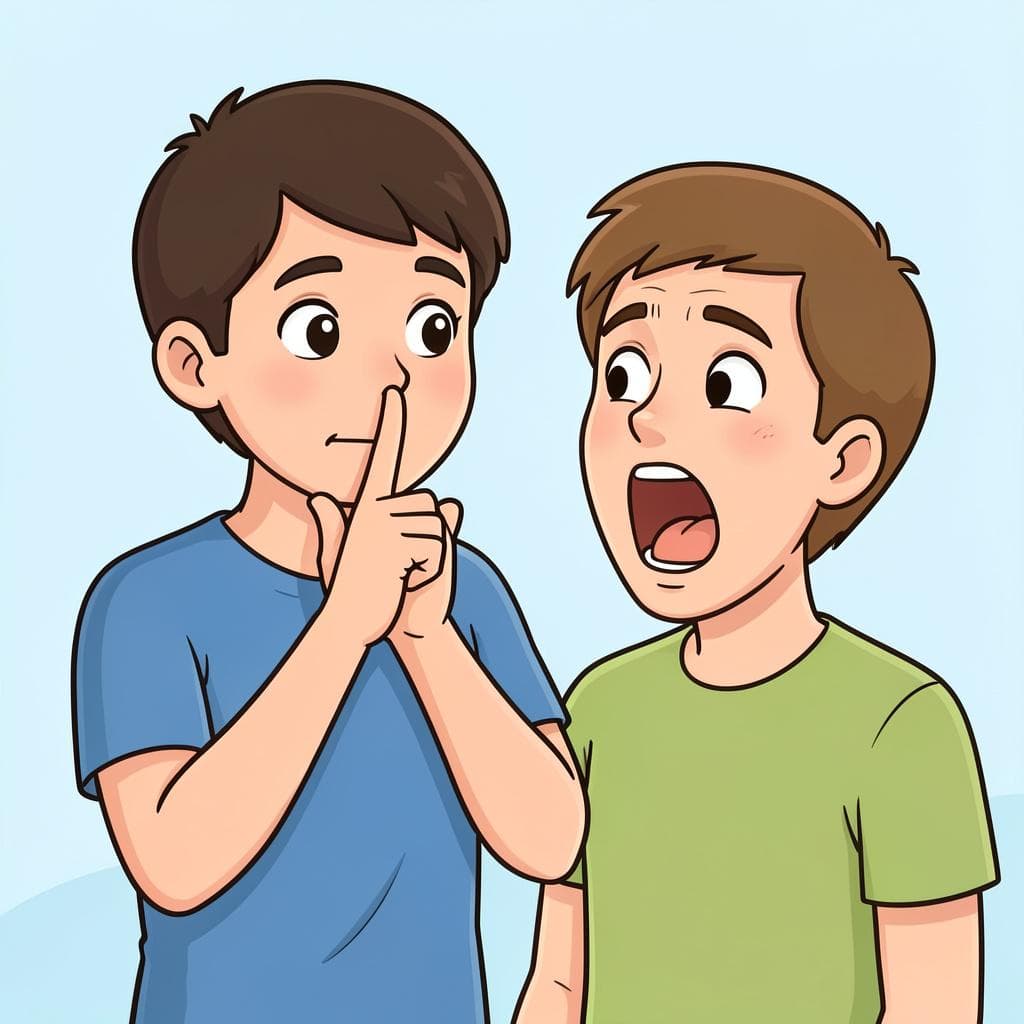
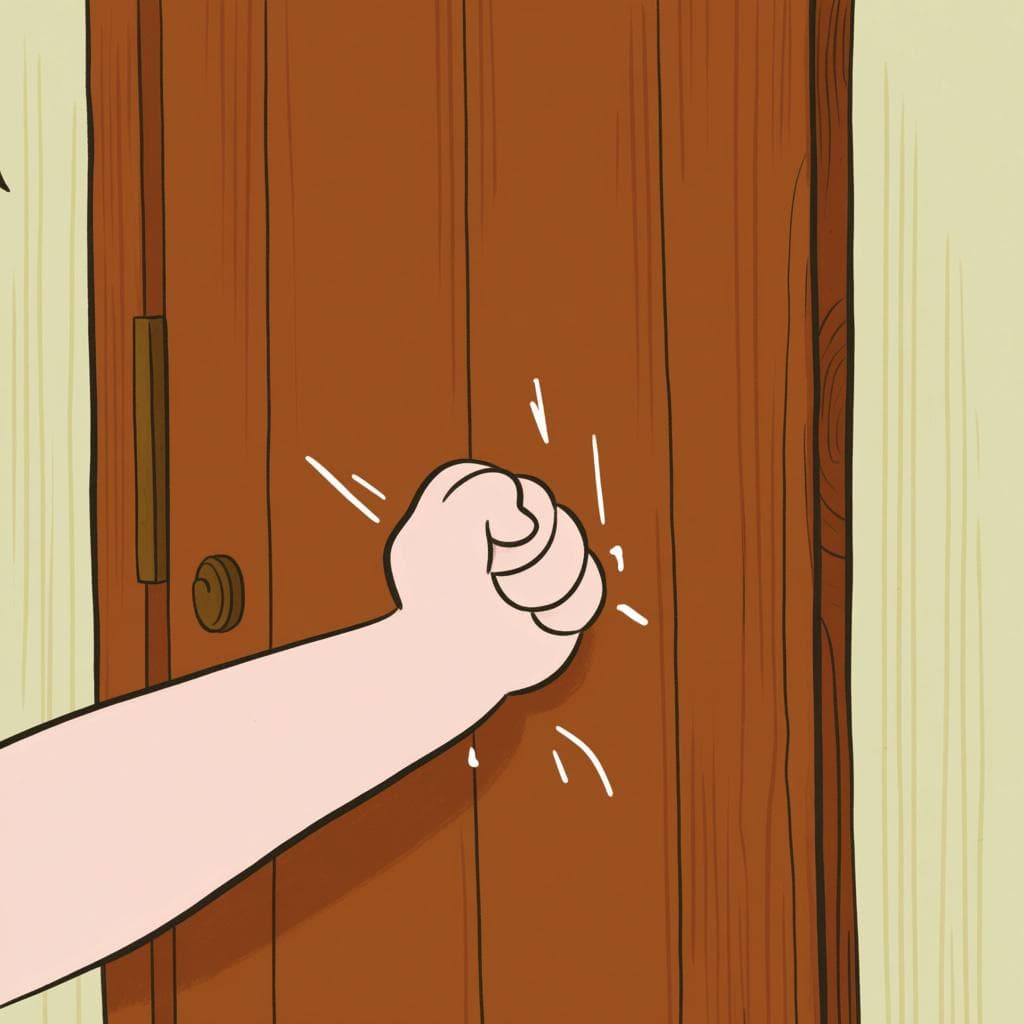
grito
gree-tohˈɡrito

Examples
Escuchamos un grito de auxilio desde el bosque.
We heard a cry for help from the woods.
El grito de gol del público fue ensordecedor.
The crowd's shout (yell) of 'goal' was deafening.
Con un grito de alegría, abrazó a su madre.
With a shout of joy, he hugged his mother.
Using 'Dar'
To express the action of making a shout, Spanish speakers usually use the verb 'dar' (to give) before 'grito': 'Ella dio un grito' (She gave a shout).
Confusing Noun and Verb
Mistake: “Using 'grito' when you mean the action 'to shout' (gritar).”
Correction: Remember 'grito' is the sound itself (the noun). If you want to say 'I shout,' you use the verb form: 'Yo grito' (I shout).
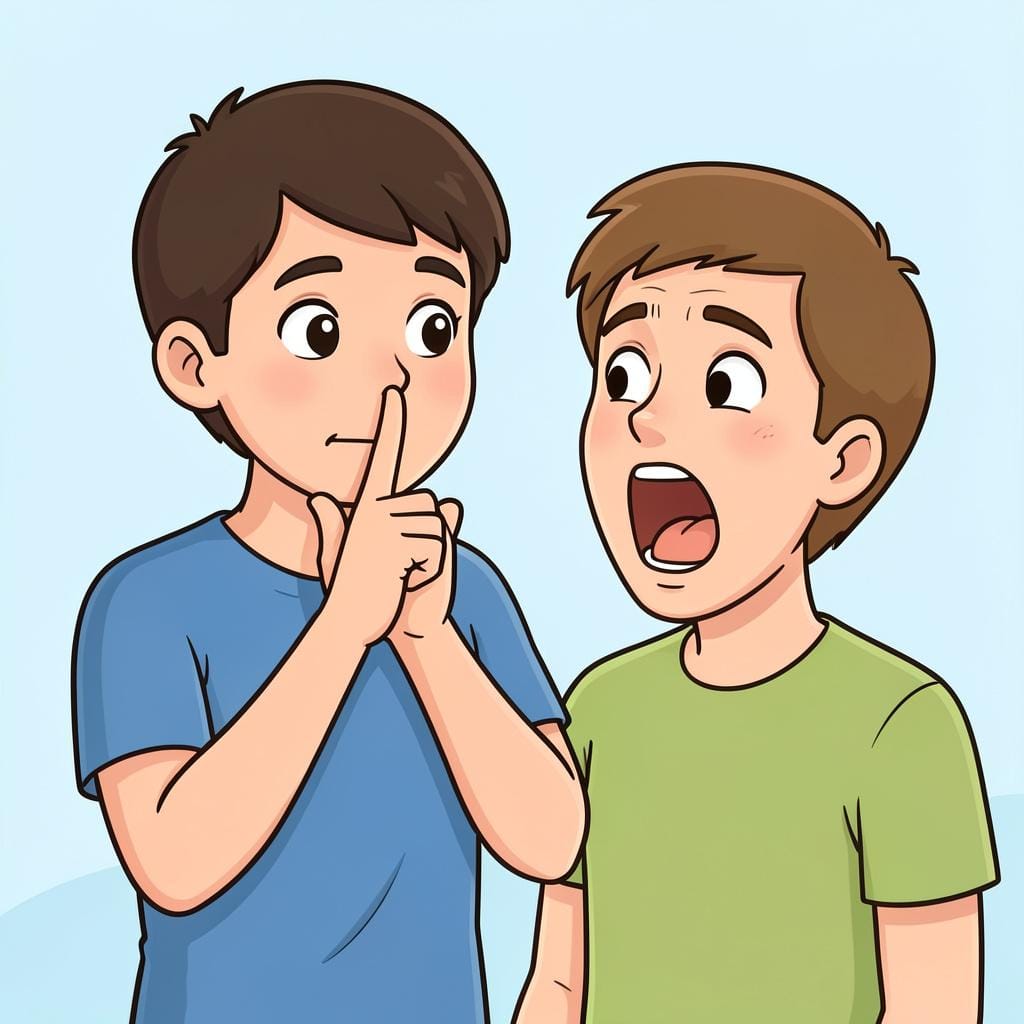
grites
GREE-tehsˈɡɾites
Examples
Por favor, no grites en la biblioteca.
Please, don't shout in the library.
No quiero que me grites.
I don't want you to yell at me.
Espero que no grites cuando veas la araña.
I hope you don't scream when you see the spider.
The 'Don't' Rule
When you want to tell a friend NOT to do something, verbs that usually end in 'as' change to 'es'. This is why 'gritas' (you shout) becomes 'no grites' (don't shout).
The Feeling Trigger
Use this form after phrases that express a wish or emotion, like 'I hope that...' (Espero que...) or 'I want you to...' (Quiero que...).
Using 'as' for Commands
Mistake: “No gritas.”
Correction: No grites.
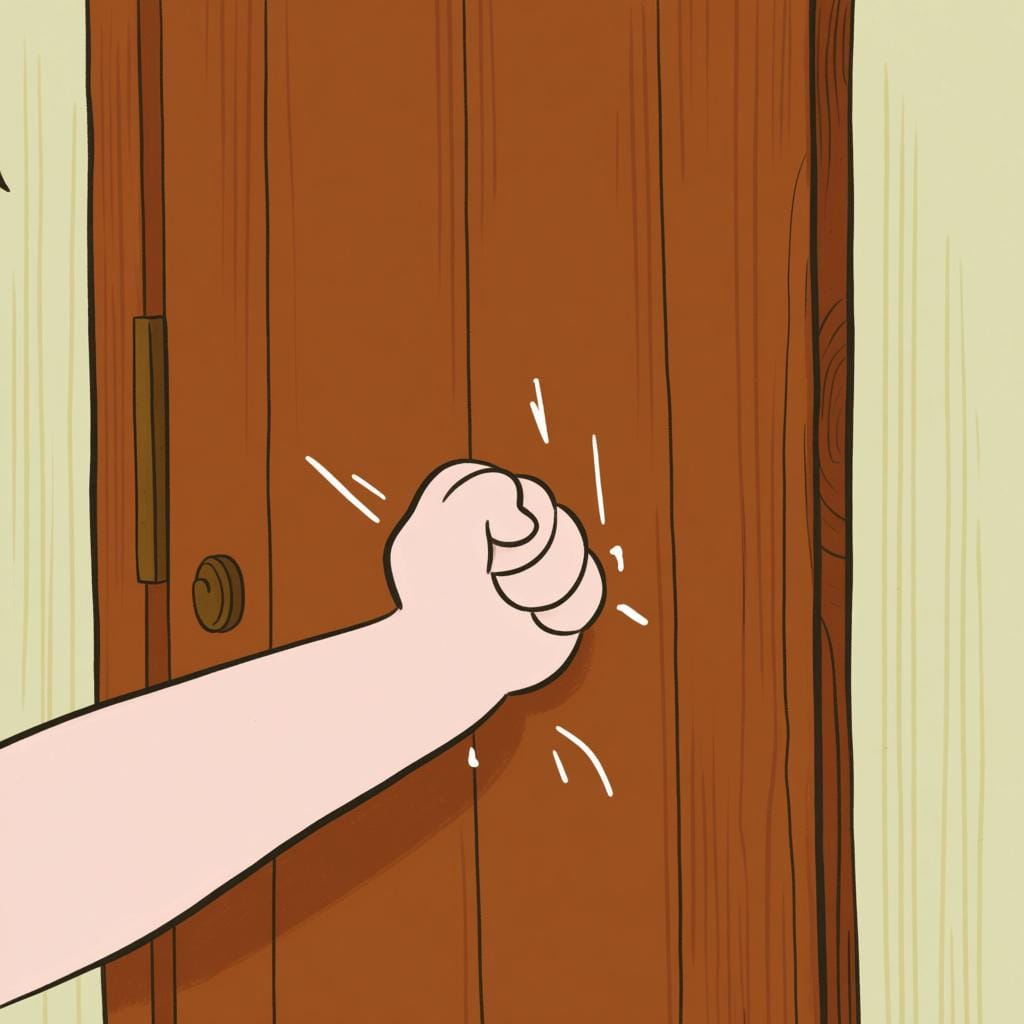
llamada
ya-MA-daʎaˈma.ða
Examples
Oí una llamada a la puerta, pero no había nadie.
I heard a call at the door (a knock), but nobody was there.
El capitán hizo una llamada a sus soldados.
The captain made a call to his soldiers.
Noun vs. Verb Form
Related Translations
Learn Spanish with Inklingo
Interactive stories, personalized learning, and more.