How to Say "elementary school" in Spanish
The most common Spanish word for “elementary school” is “escuela” — use 'escuela' when referring to the physical building or the general act of attending school, especially for younger children.

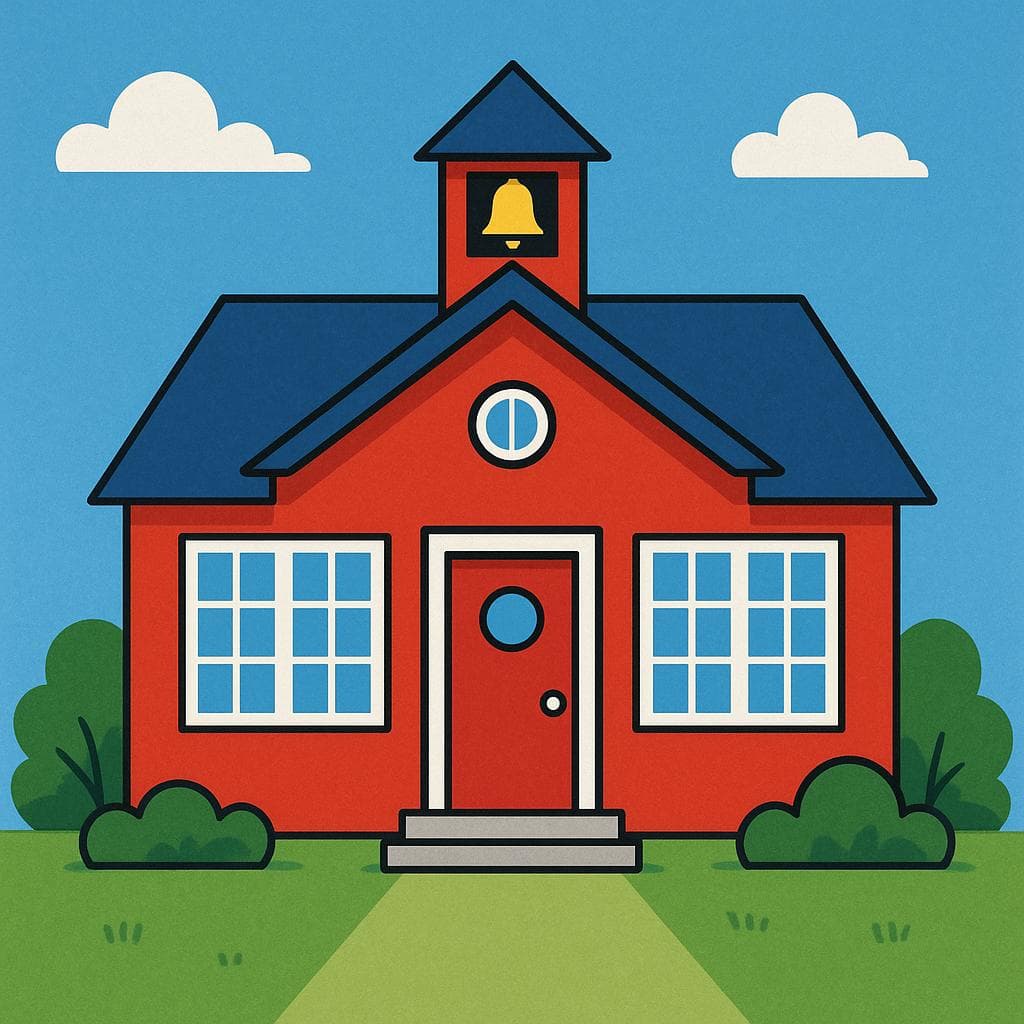
escuela
es-KWEH-lahesˈkwela

Examples
Los niños pequeños van a la escuela por la mañana.
Young children go to school in the morning.
Los niños van a la escuela en autobús.
The children go to school by bus.
Mi hermana es maestra en una escuela primaria.
My sister is a teacher at a primary school.
Después de la escuela, voy a jugar al fútbol.
After school, I'm going to play soccer.
Always use 'la' with 'escuela'
In Spanish, when you talk about going to or being at school in a general sense, you almost always include 'la'. For example, 'Voy a la escuela' (I'm going to school), not 'Voy a escuela'.
'Escuela' vs. 'Colegio'
Mistake: “Using 'escuela' for all types of schools.”
Correction: The difference changes by country! Often, 'escuela' is for younger kids (elementary) and 'colegio' is for older kids (high school) or private schools. When in doubt, 'escuela' for a general school is usually safe.
primaria
pree-MAH-ree-ahpɾiˈma.ɾja
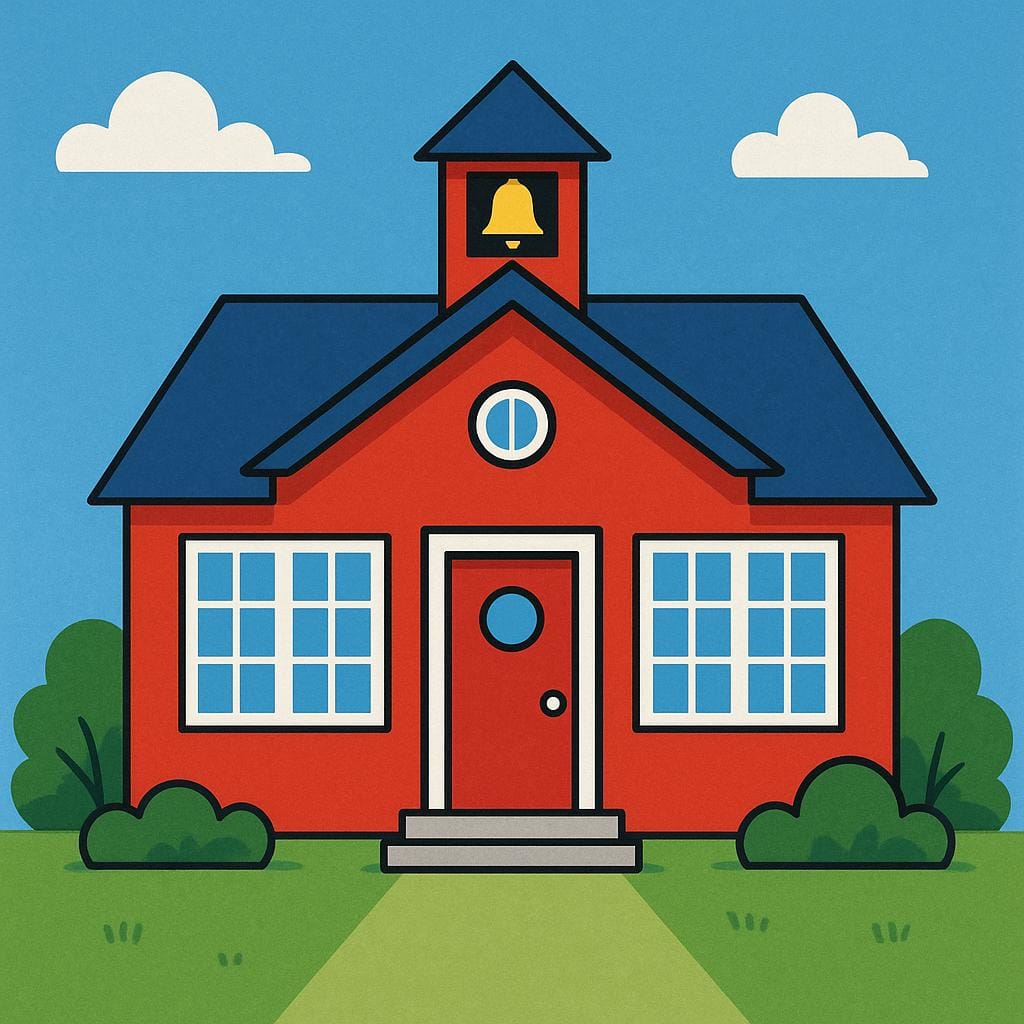
Examples
Mi hermano mayor está en la primaria.
My older brother is in primary school.
¿A qué edad terminaste la primaria?
At what age did you finish primary school?
Mi hija está en segundo de primaria.
My daughter is in the second grade of elementary school.
Aprendimos a leer y escribir en la primaria.
We learned to read and write in grade school.
Always Feminine
Even though it refers to a place, 'primaria' is a feminine noun, so you always use 'la' or 'una' with it.
Using 'colegio' vs. 'primaria'
Mistake: “Using 'colegio' when specifically referring to the primary level.”
Correction: While 'colegio' means school, 'la primaria' is specific to the first level of required education (ages 6-12, typically).
Escuela vs. Primaria
Related Translations
Learn Spanish with Inklingo
Interactive stories, personalized learning, and more.