How to Say "factions" in Spanish
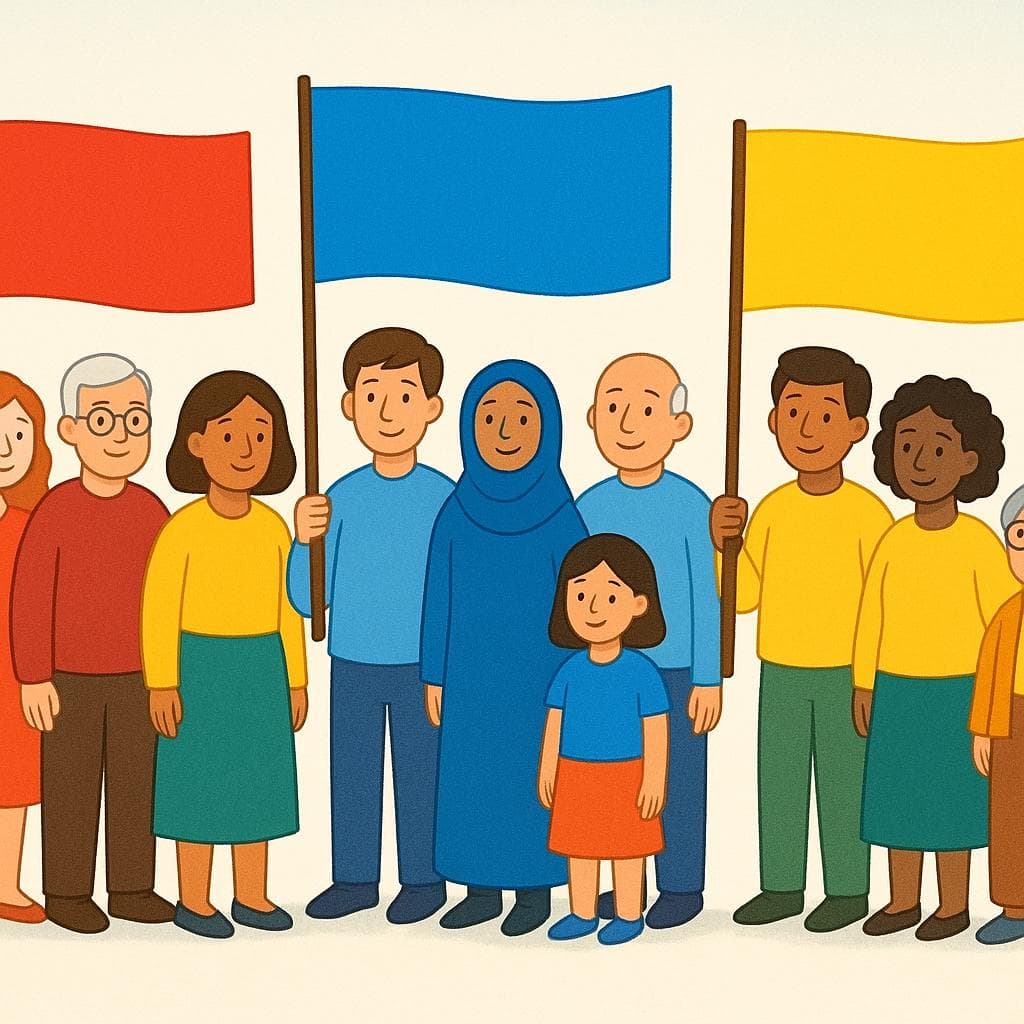
The most common Spanish word for “factions” is “partidos” — use 'partidos' when referring to organized political groups that compete in elections or hold political power.
partidos
par-TEE-dohspaɾˈtiðos
Examples
Los partidos políticos tienen que llegar a un acuerdo.
The political parties have to reach an agreement.
Hay más de diez partidos registrados para la elección.
There are more than ten parties registered for the election.
Using the Adjective
When talking about politics, we often add the adjective 'políticos' (political) after 'partidos' for clarity, but the word 'partidos' alone is often enough if the context is clear.
bandas
BAHN-dahsˈbandas
Examples
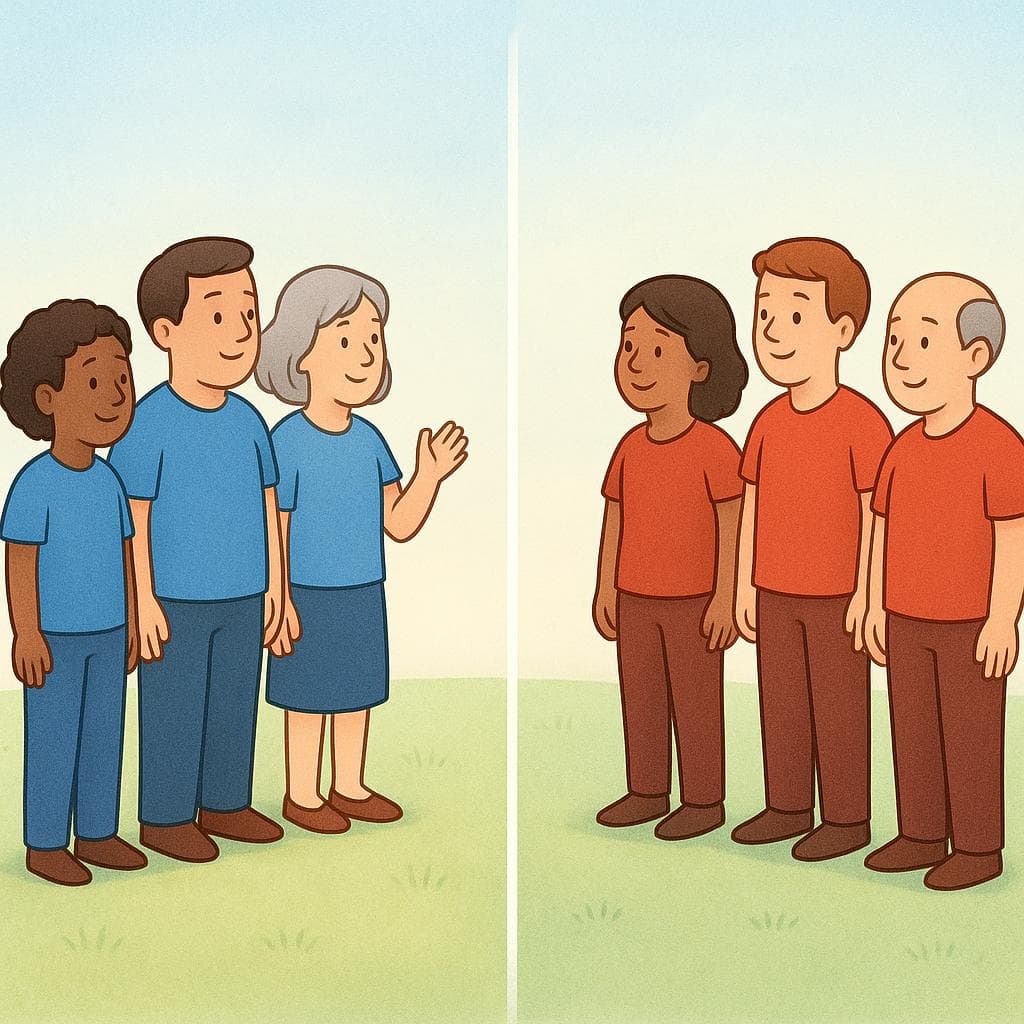
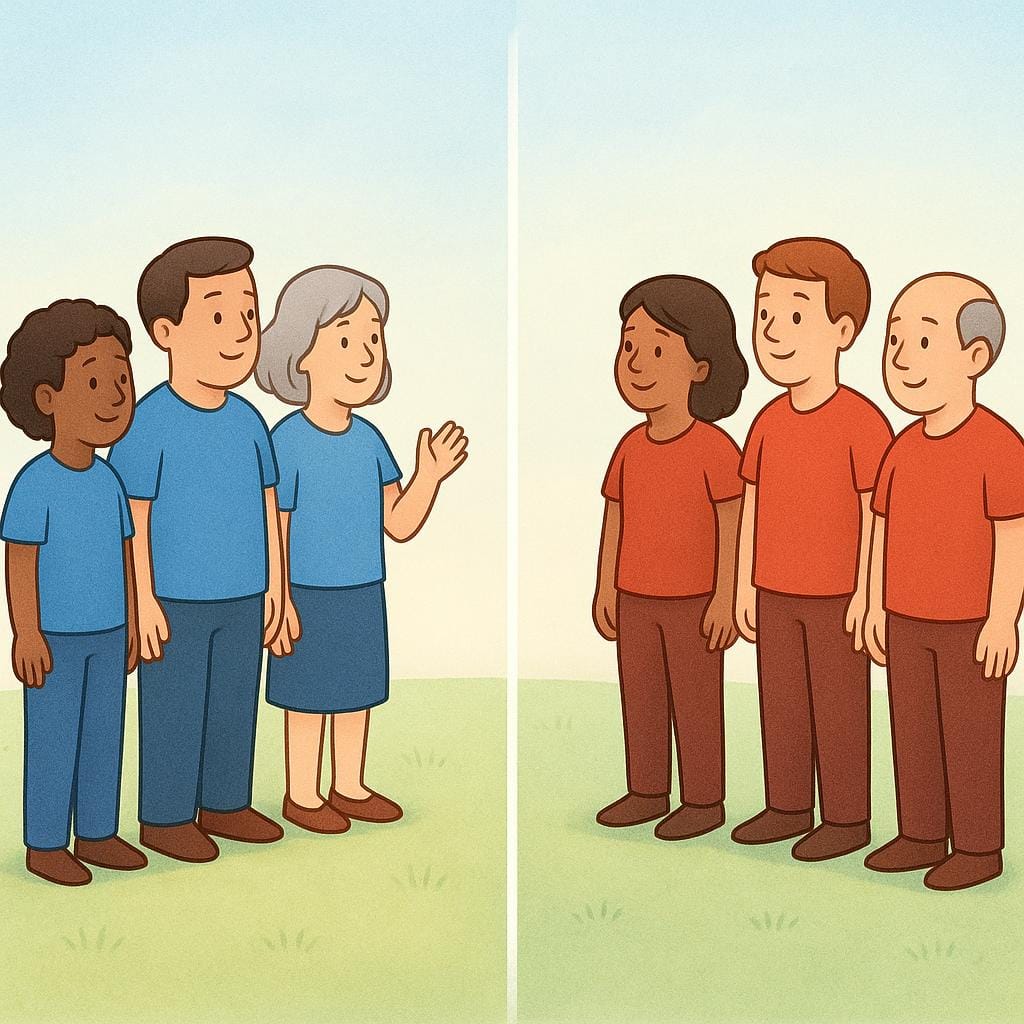
Las bandas rivales se enfrentaron en la calle.
The rival gangs faced off in the street.
Ambas bandas en el parlamento buscan un acuerdo.
Both sides in parliament are looking for an agreement.
Referring to People
When 'bandas' refers to groups of people (like gangs or political factions), it maintains its feminine plural form, even if the groups consist only of men.
Political vs. Other Groups
Learn Spanish with Inklingo
Interactive stories, personalized learning, and more.