How to Say "matches" in Spanish
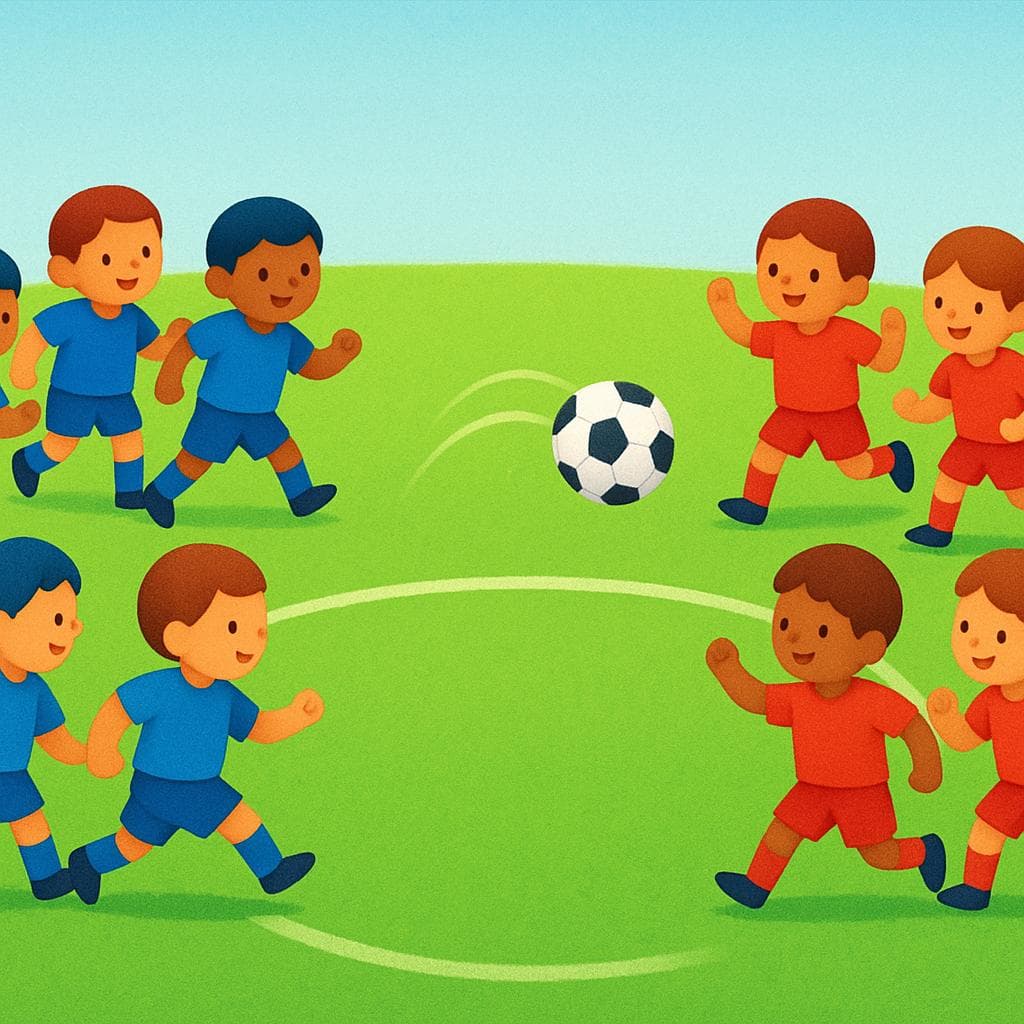
The most common Spanish word for “matches” is “partidos” — use 'partidos' when referring to sporting events or games like soccer, basketball, or tennis.



partidos
par-TEE-dohspaɾˈtiðos
Examples
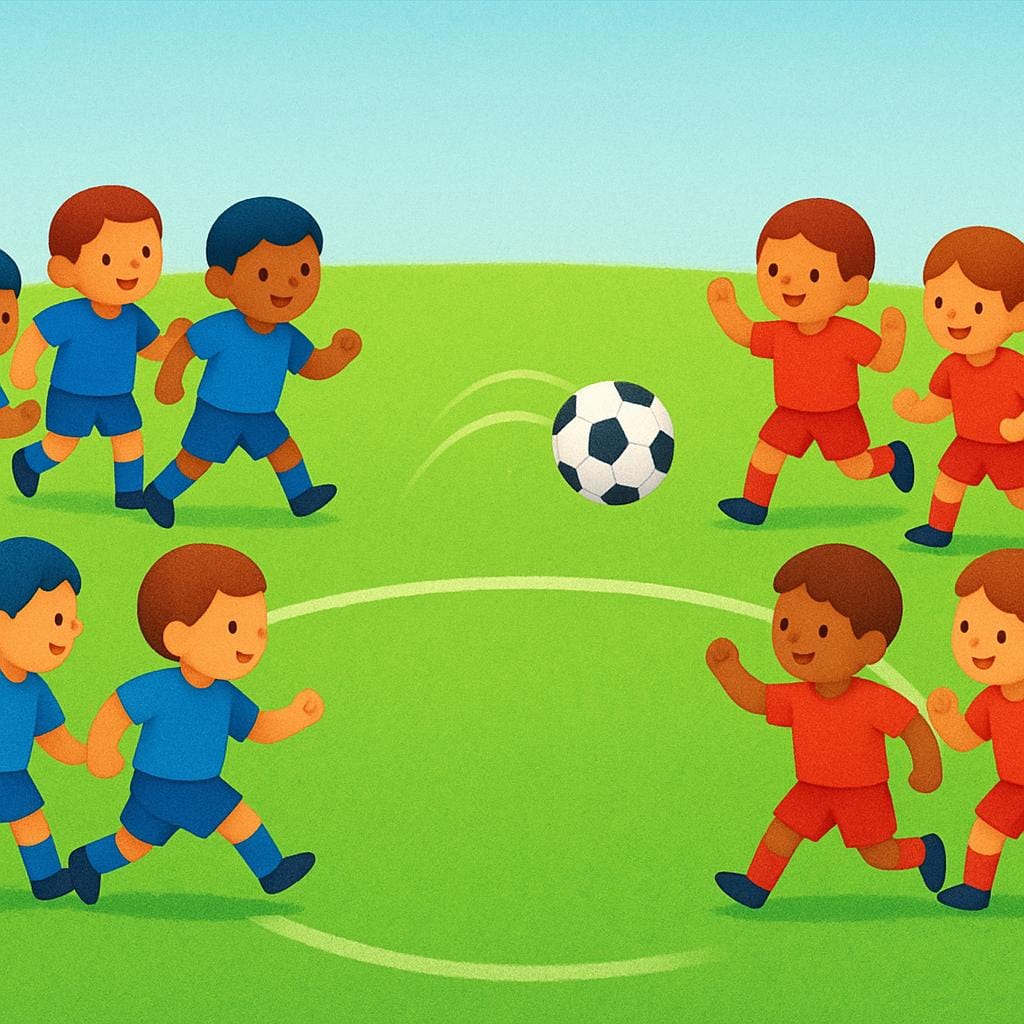
Vimos un emocionante partido de fútbol anoche.
We watched an exciting soccer match last night.
Todos los domingos vemos los partidos de fútbol.
Every Sunday we watch the soccer matches.
Hubo muchos partidos emocionantes en el torneo.
There were many exciting games in the tournament.
Plural Noun
This is the plural form of 'partido' (match). Remember that in Spanish, we usually use the word 'fútbol' (soccer) or the specific sport name when talking about this kind of game.
parejas
pah-REH-haspaˈɾexas

Examples
Compré dos parejas de calcetines nuevos.
I bought two pairs of new socks.
Necesito comprar dos parejas de pilas para el control remoto.
I need to buy two pairs of batteries for the remote control.
Perdí una de las parejas de calcetines.
I lost one of the pairs of socks.
Singular vs. Plural
Remember that 'pareja' (singular) means one pair or one couple. 'Parejas' (plural) means two or more pairs/couples.
encaja
en-CA-haenˈkaxa

Examples
Esta pieza no encaja en el rompecabezas.
This piece doesn't match the puzzle.
La nueva información no **encaja** con su versión original.
The new information doesn't match his original version.
Su estilo de vida no **encaja** en la ciudad pequeña.
His lifestyle doesn't fit in (or belong) in the small town.
Si la coartada **encaja**, no hay problema.
If the alibi makes sense, there is no problem.
corresponde
koh-rres-POHN-dehko.resˈpon.de

Examples
Su nombre no corresponde a la dirección registrada.
His name does not correspond to the registered address.
El número de cuenta corresponde al nombre del cliente.
The account number corresponds to the client's name.
Su versión de los hechos no corresponde con la realidad.
His version of the events does not match reality.
Verb Form
This is the 'él/ella/usted' form in the present tense. It is used when the subject is singular (he, she, it, or the formal 'you').
Confusing Agreement vs. Fitting In
Related Translations
Learn Spanish with Inklingo
Interactive stories, personalized learning, and more.