encaja
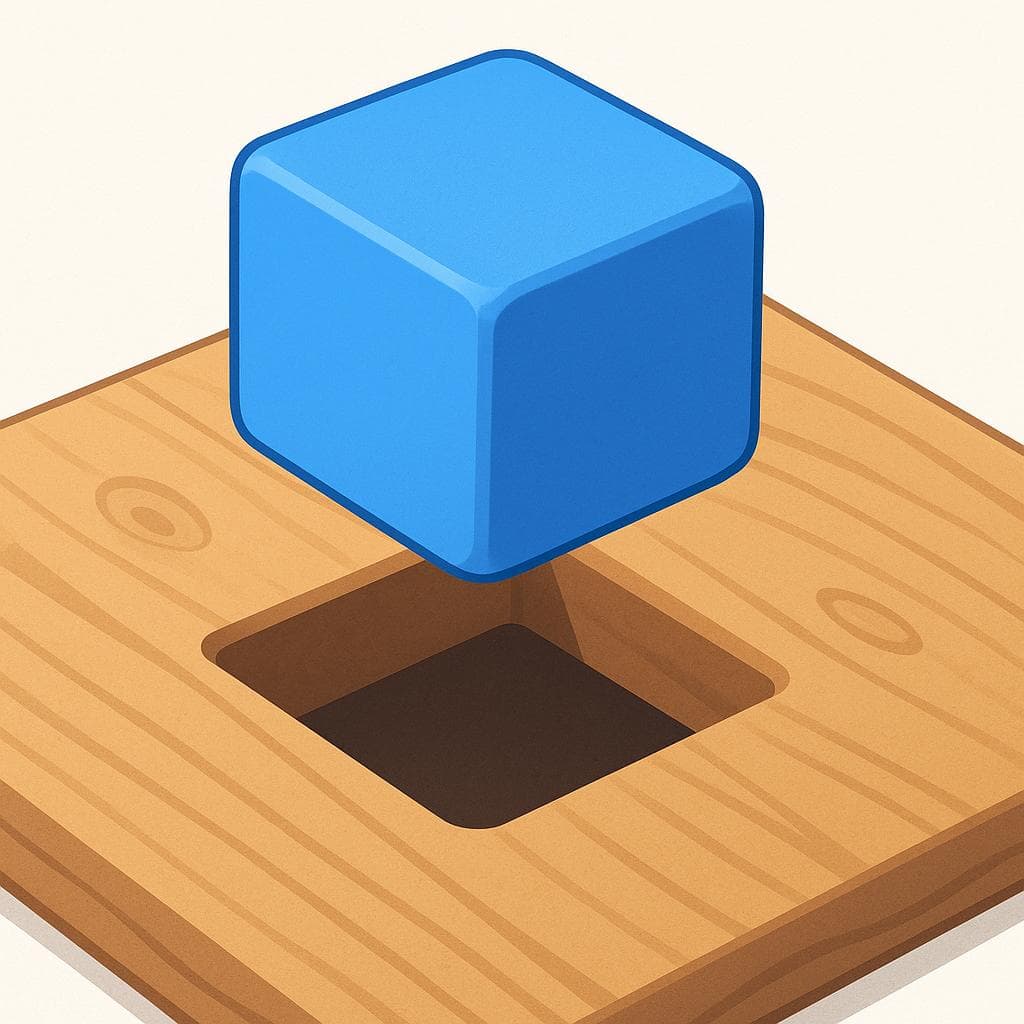
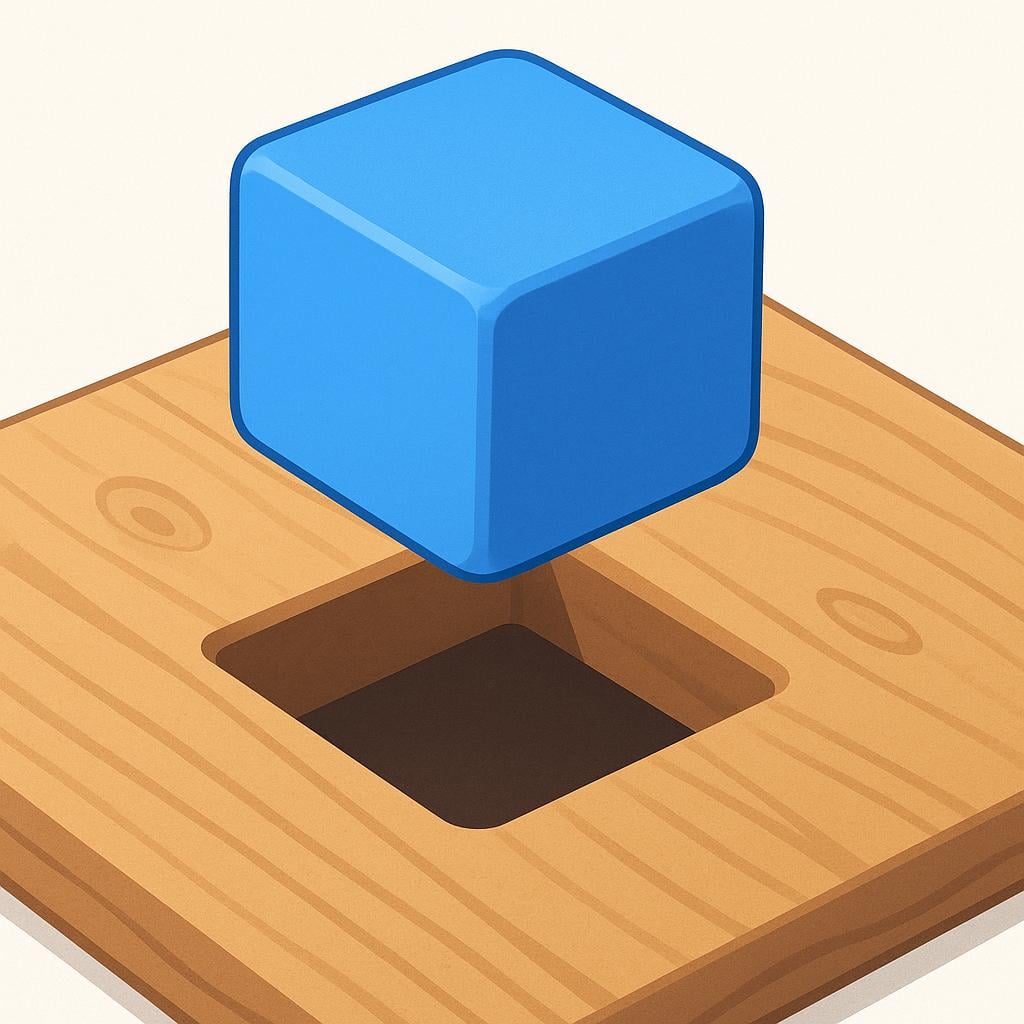
“encaja” means “fits” in Spanish. It has 2 different meanings depending on context:
📝 In Action
El enchufe no **encaja** en este adaptador.
A2The plug doesn't fit in this adapter.
Si lo giras, la pieza **encaja** perfectamente.
B1If you turn it, the piece fits perfectly.
**Encaja** bien la tapa antes de cerrarlo.
A2Fit the lid well before closing it. (Tú command)

📝 In Action
La nueva información no **encaja** con su versión original.
B1The new information doesn't match his original version.
Su estilo de vida no **encaja** en la ciudad pequeña.
B2His lifestyle doesn't fit in (or belong) in the small town.
Si la coartada **encaja**, no hay problema.
B1If the alibi makes sense, there is no problem.
Word Connections
Indicative
Present
Imperfect
Preterite
Subjunctive
Present Subjunctive
Imperfect Subjunctive
Translate to Spanish
✏️ Quick Practice
Quick Quiz: encaja
Question 1 of 2
Which sentence uses 'encaja' in the sense of 'making logical sense'?
📚 More Resources
👥 Word Family
🎵 Rhymes
📚 Etymology
Formed by combining the prefix *en-* (meaning 'in' or 'into') with the noun *caja* (box or case). The original meaning was literally 'to put into a box' or 'to fit into a container,' which evolved into the general sense of fitting or matching.
First recorded: Medieval Spanish
Cognates (Related words)
💡 Master Spanish
Take your Spanish to the next level. Read 200+ illustrated and narrated Spanish stories tailored to your level with the Inklingo app!
Frequently Asked Questions
Is 'encaja' a stem-changing verb?
No, 'encajar' is a regular '-ar' verb. Its root (*encaj-*) does not change when you conjugate it, which makes it easier to learn!
How is 'encaja' different from 'cabe'?
Both mean 'to fit,' but 'encaja' usually describes things fitting together precisely (like puzzle pieces) or matching (like ideas). 'Cabe' simply means there is enough space for something (e.g., 'Does the suitcase fit in the car?').