parejas
“parejas” means “couples” in Spanish. It has 2 different meanings depending on context:

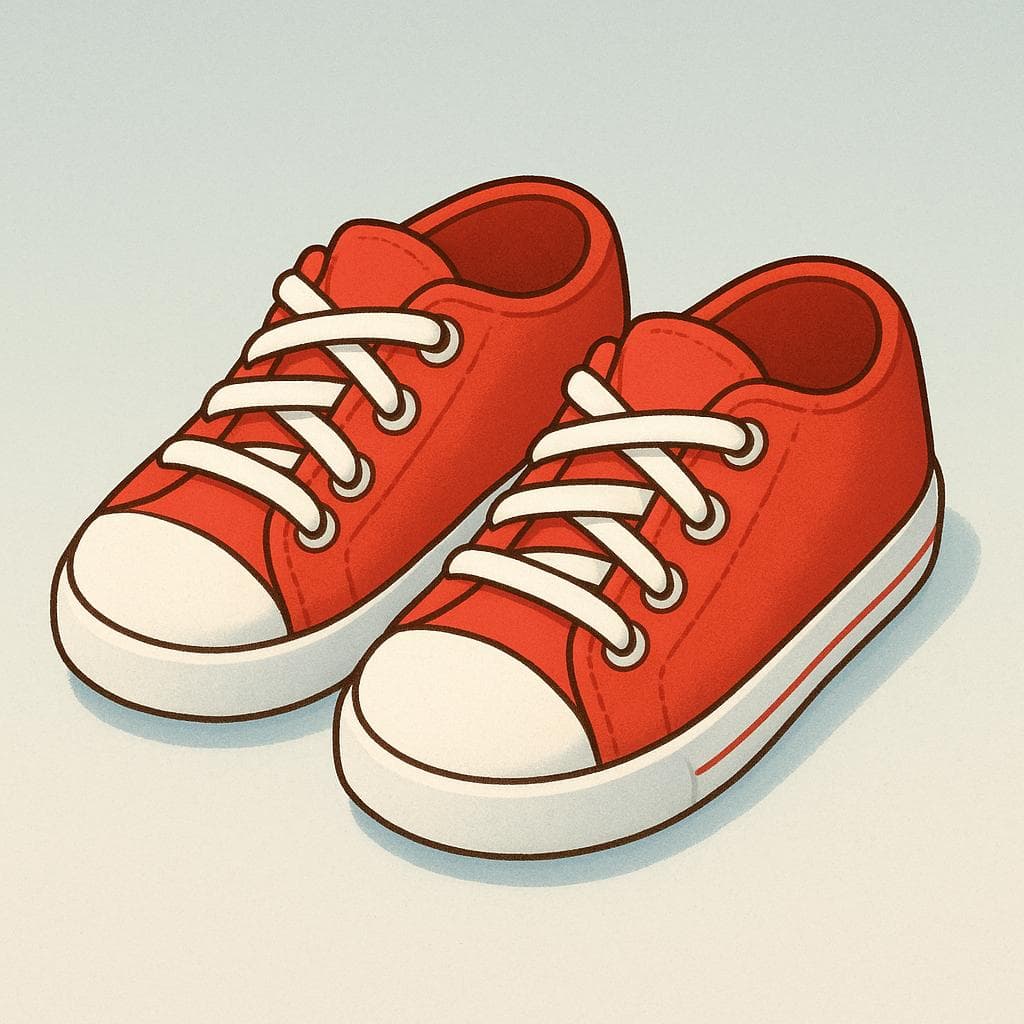
couples, partners
Also: spouses
📝 In Action
Hay tres parejas bailando en la pista.
A1There are three couples dancing on the floor.
Las parejas jóvenes se mudaron al apartamento de al lado.
A2The young couples moved into the apartment next door.
pairs
Also: matches
📝 In Action
Necesito comprar dos parejas de pilas para el control remoto.
A2I need to buy two pairs of batteries for the remote control.
Perdí una de las parejas de calcetines.
B1I lost one of the pairs of socks.
Translate to Spanish
✏️ Quick Practice
Quick Quiz: parejas
Question 1 of 2
Which sentence correctly uses 'parejas' to mean 'couples'?
📚 More Resources
👥 Word Family▼
🎵 Rhymes▼
📚 Etymology▼
The word comes from the Latin term *paricula*, which is a diminutive form of *par*, meaning 'equal' or 'like'. It entered Spanish to mean two things that are equal or belong together.
First recorded: 13th century
Cognates (Related words)
💡 Master Spanish
Take your Spanish to the next level. Read 200+ illustrated and narrated Spanish stories tailored to your level with the Inklingo app!
Frequently Asked Questions
What is the difference between 'parejas' and 'pares'?
'Parejas' usually refers to two people, especially romantic partners or dance partners. It can also mean a pair of objects (like gloves or socks). 'Pares' is more commonly used for numbers (even/odd), abstract pairs, or when speaking mathematically, though they can often be swapped when referring to objects.
How do I say 'a single person' using the opposite concept of 'parejas'?
The most common word is 'soltero/soltera,' which means single or unmarried. If you mean a person without a companion in a general context, you might say 'una persona sola' (a person alone).