ovejas
“ovejas” means “sheep” in Spanish. It has 2 different meanings depending on context:
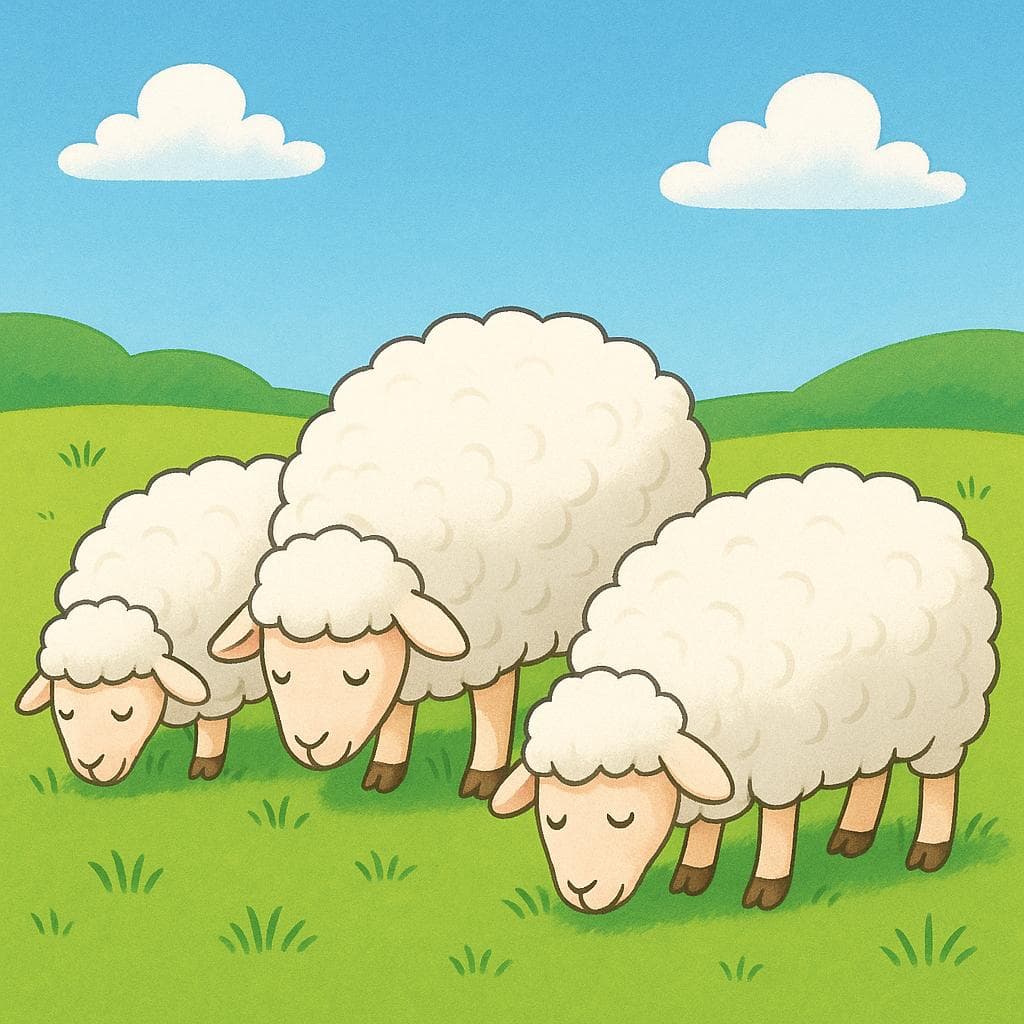
sheep
Also: flock of sheep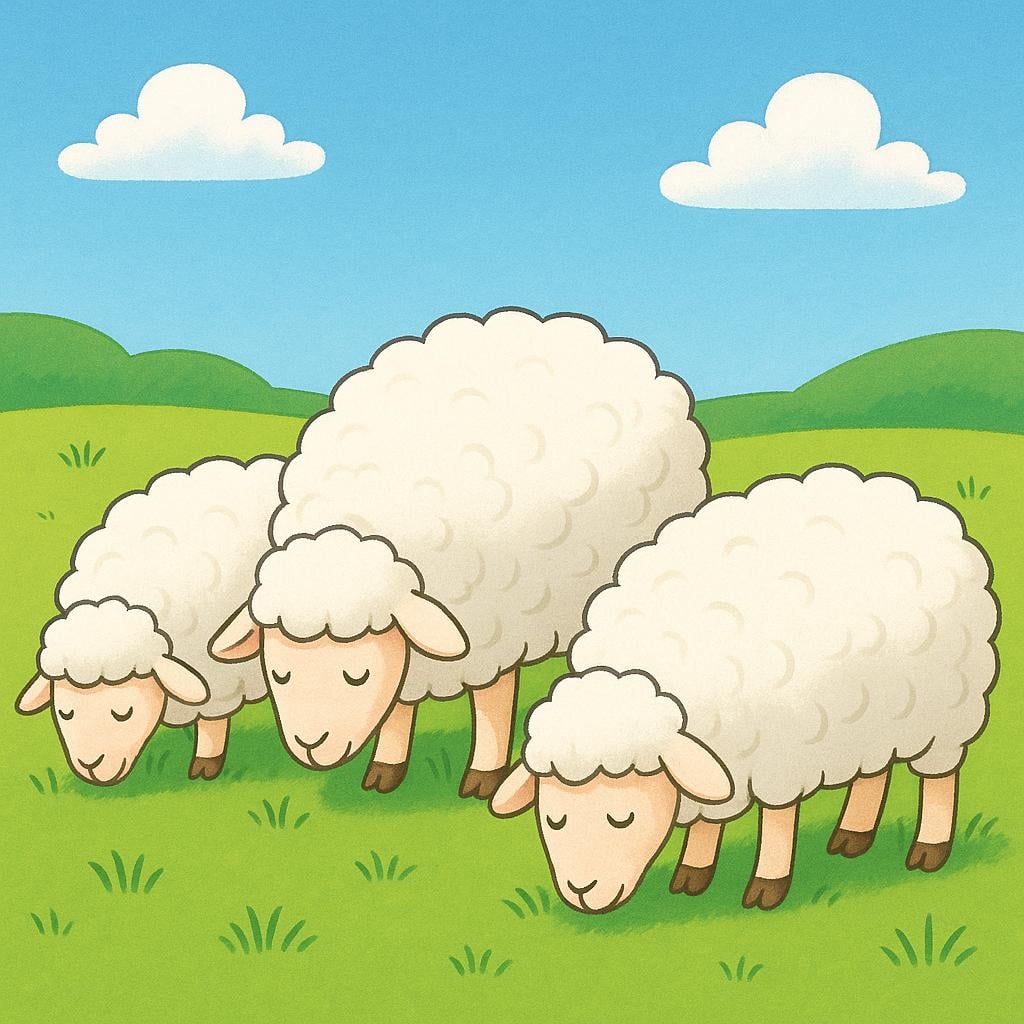
📝 In Action
El pastor tiene cien ovejas en el campo.
A1The shepherd has one hundred sheep in the field.
Las ovejas comen hierba todo el día.
A1The sheep eat grass all day.
Necesitamos esquilar las ovejas antes del invierno.
A2We need to shear the sheep before winter.
sheep
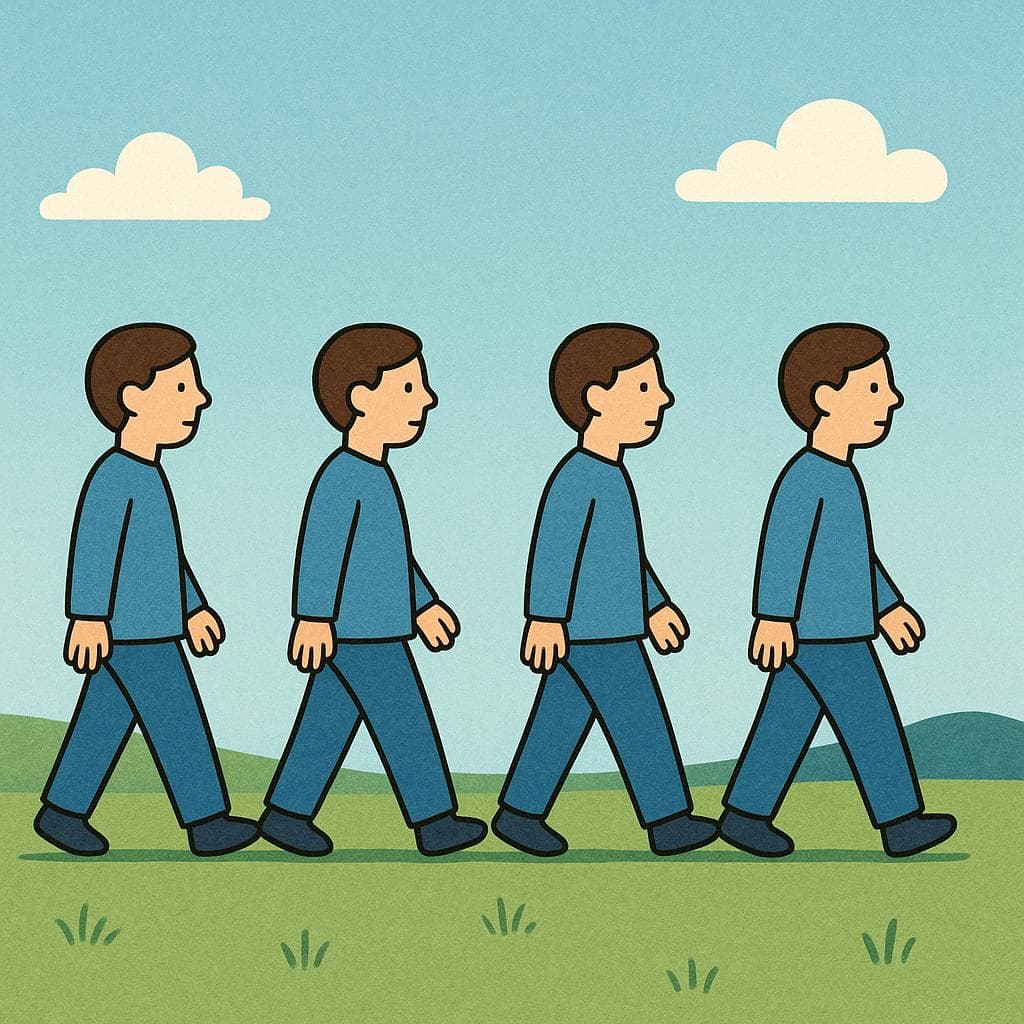
Also: blind followers
📝 In Action
El político manipuló a sus ovejas con promesas vacías.
B2The politician manipulated his sheep (followers) with empty promises.
No seas una de las ovejas, piensa por ti mismo.
C1Don't be one of the sheep, think for yourself.
Vocabulary Collections
Translate to Spanish
Words that translate to "ovejas" in Spanish:
blind followers→✏️ Quick Practice
Quick Quiz: ovejas
Question 1 of 2
Which sentence correctly uses 'ovejas' in its literal meaning?
📚 More Resources
🎵 Rhymes▼
📚 Etymology▼
Comes from the vulgar Latin word *ovicula*, which was a diminutive (a smaller version) of the classical Latin word *ovis*, meaning 'sheep.'
First recorded: Medieval Spanish
Cognates (Related words)
💡 Master Spanish
Take your Spanish to the next level. Read 200+ illustrated and narrated Spanish stories tailored to your level with the Inklingo app!
Frequently Asked Questions
If 'ovejas' is plural, how do I talk about a single sheep?
The word for a single sheep is 'una oveja'. Remember, the word 'oveja' is feminine, regardless of the animal's actual sex.
Does 'ovejas' always mean female sheep?
No. While the word 'oveja' is grammatically feminine, 'ovejas' is the general plural term for a group of sheep that includes both male and female animals.