masas
“masas” means “doughs” in Spanish. It has 3 different meanings depending on context:
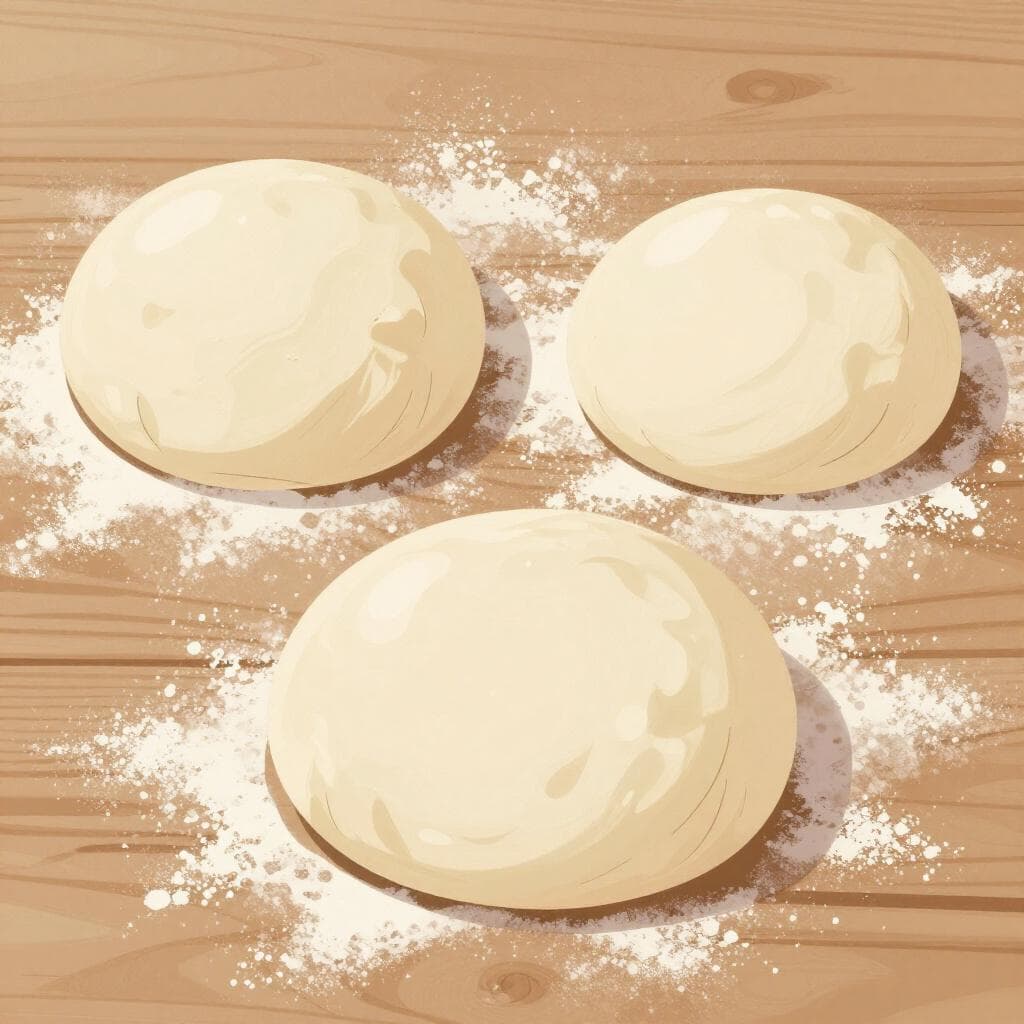

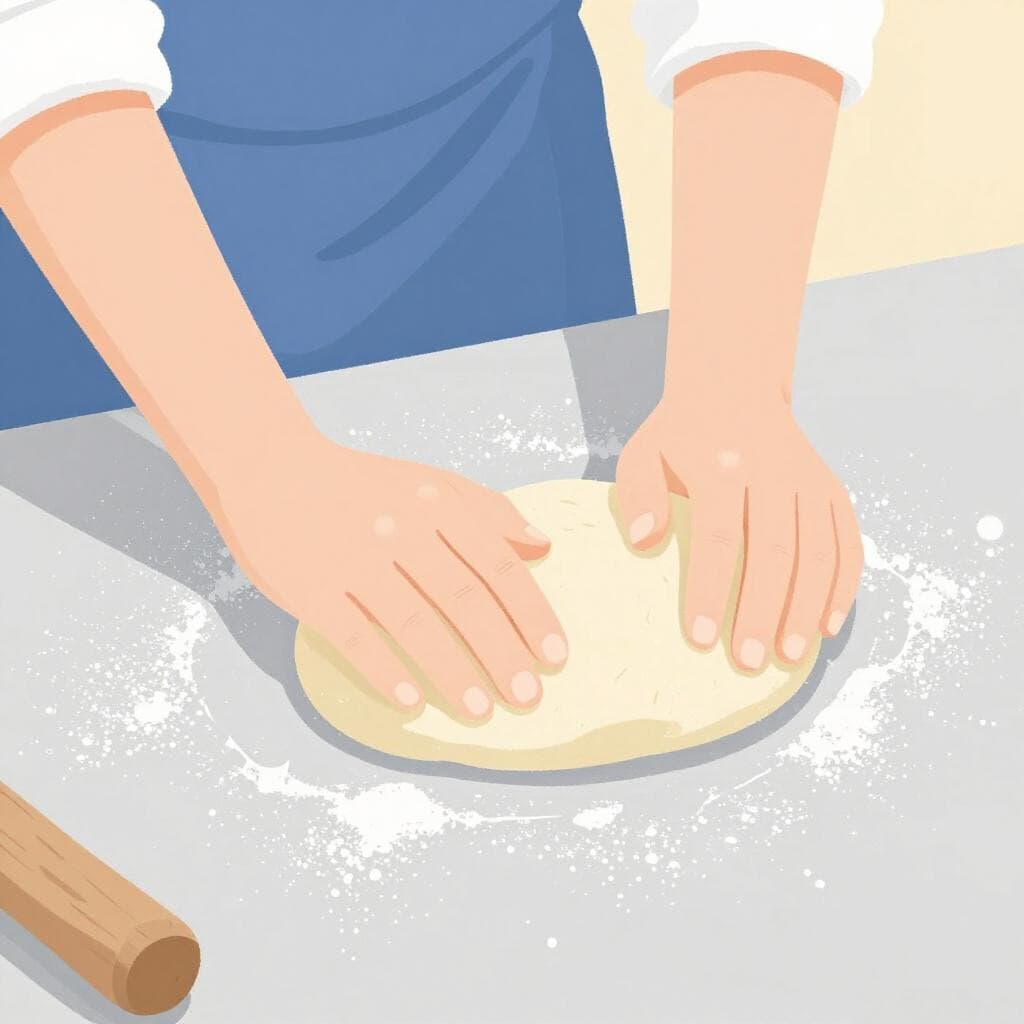
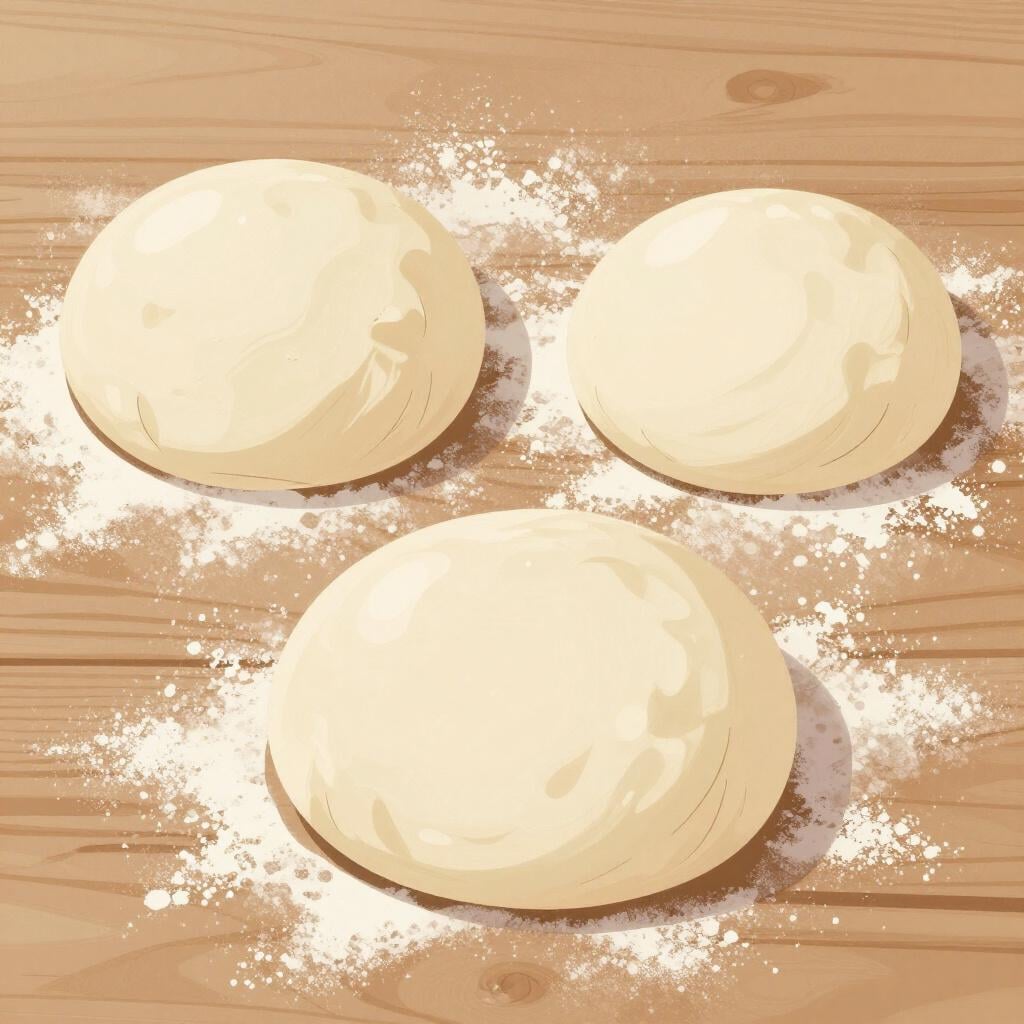
doughs, pastriesAlso: batters
📝 In Action
Hay que dejar reposar las masas antes de hornear.
A2The doughs must be left to rest before baking.
En esta panadería venden masas dulces deliciosas.
B1They sell delicious sweet pastries in this bakery.
Word Connections
the masses, crowdsAlso: bulks

📝 In Action
El mensaje llegó a las grandes masas.
B2The message reached the great masses.
Mover a las masas requiere carisma.
C1Moving the masses requires charisma.
Word Connections
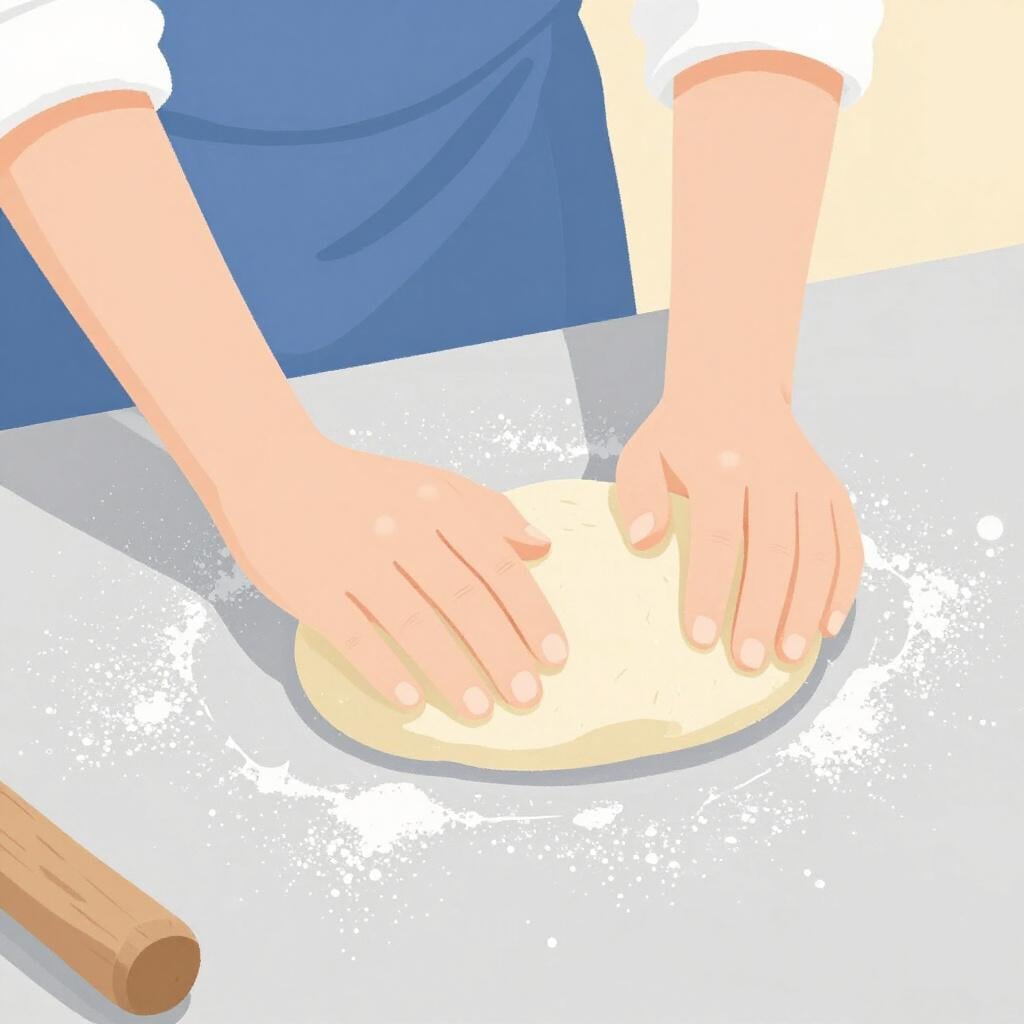
you knead, you massage
📝 In Action
Si tú masas bien la harina, el pan saldrá mejor.
C1If you knead the flour well, the bread will turn out better.
Word Connections
Subjunctive
Imperfect Subjunctive
Present Subjunctive
Indicative
Preterite
Imperfect
Present
Translate to Spanish
✏️ Quick Practice
Quick Quiz: masas
Question 1 of 2
If you are in an Argentine bakery and ask for 'masas finas', what are you looking for?
📚 More Resources
👥 Word Family
📚 Etymology
From Latin 'massa', which originally meant a lump or a kneaded mass of dough, derived from the Greek 'maza'.
First recorded: 13th century
Cognates (Related words)
💡 Master Spanish
Take your Spanish to the next level. Read 200+ illustrated and narrated Spanish stories tailored to your level with the Inklingo app!
Frequently Asked Questions
Is 'masas' ever used for 'pasta' (like spaghetti)?
Rarely. While 'masa' is the dough used to make pasta, once it's in noodle form, it is called 'pasta'.
Why is 'masas' feminine?
In Spanish, words ending in -a are usually feminine. Since the singular 'masa' is feminine, the plural 'masas' is too, using 'las' instead of 'los'.