How to Say "pastries" in Spanish
The most common Spanish word for “pastries” is “pasteles” — use 'pasteles' when referring to individual, often sweet, baked treats like small cakes, tarts, or pies, commonly served for celebrations or as desserts.

pasteles
pahs-TEH-lehspasˈt̪e.les

Examples
Para la fiesta de cumpleaños, compramos muchos pasteles diferentes.
For the birthday party, we bought many different cakes.
Me encantan los pasteles de chocolate y vainilla.
I love chocolate and vanilla pastries.
Plural Form
This word is the plural of 'pastel' (cake). Since 'pastel' ends in a consonant (L), we add '-es' to make it plural.
Pastel vs. Torta
Mistake: “Using 'pastel' for a large, stacked layer cake common in the US.”
Correction: While 'pastel' can mean cake, 'torta' (or 'bizcocho' in some regions) is often preferred for large, elaborate layer cakes, especially in Mexico and Central America. 'Pasteles' usually refers to smaller individual portions or tarts.
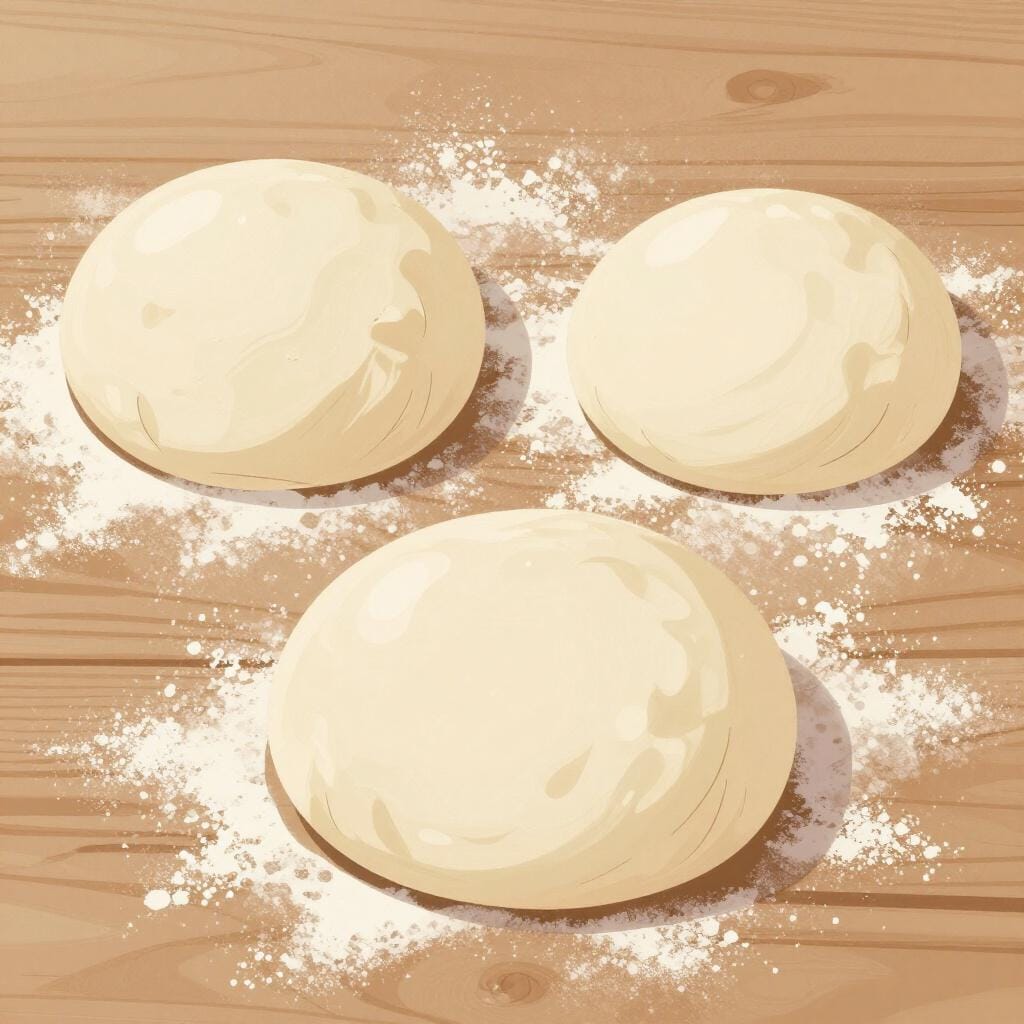
masas
MAH-sahsˈmasas
Examples
Hay que dejar reposar las masas antes de hornear.
The doughs must be left to rest before baking.
En esta panadería venden masas dulces deliciosas.
They sell delicious sweet pastries in this bakery.
Making it Plural
This is the plural form of 'masa'. Since it ends in -a, we add -s to talk about more than one.
Masa vs. Pasta
Mistake: “Using 'pasta' for bread dough.”
Correction: Use 'masa' for bread or pizza dough. 'Pasta' is usually for Italian noodles or toothpaste.
Pasteles vs. Masas
Related Translations
Learn Spanish with Inklingo
Interactive stories, personalized learning, and more.