oveja
“oveja” means “sheep” in Spanish (the woolly farm animal).
sheep
Also: ewe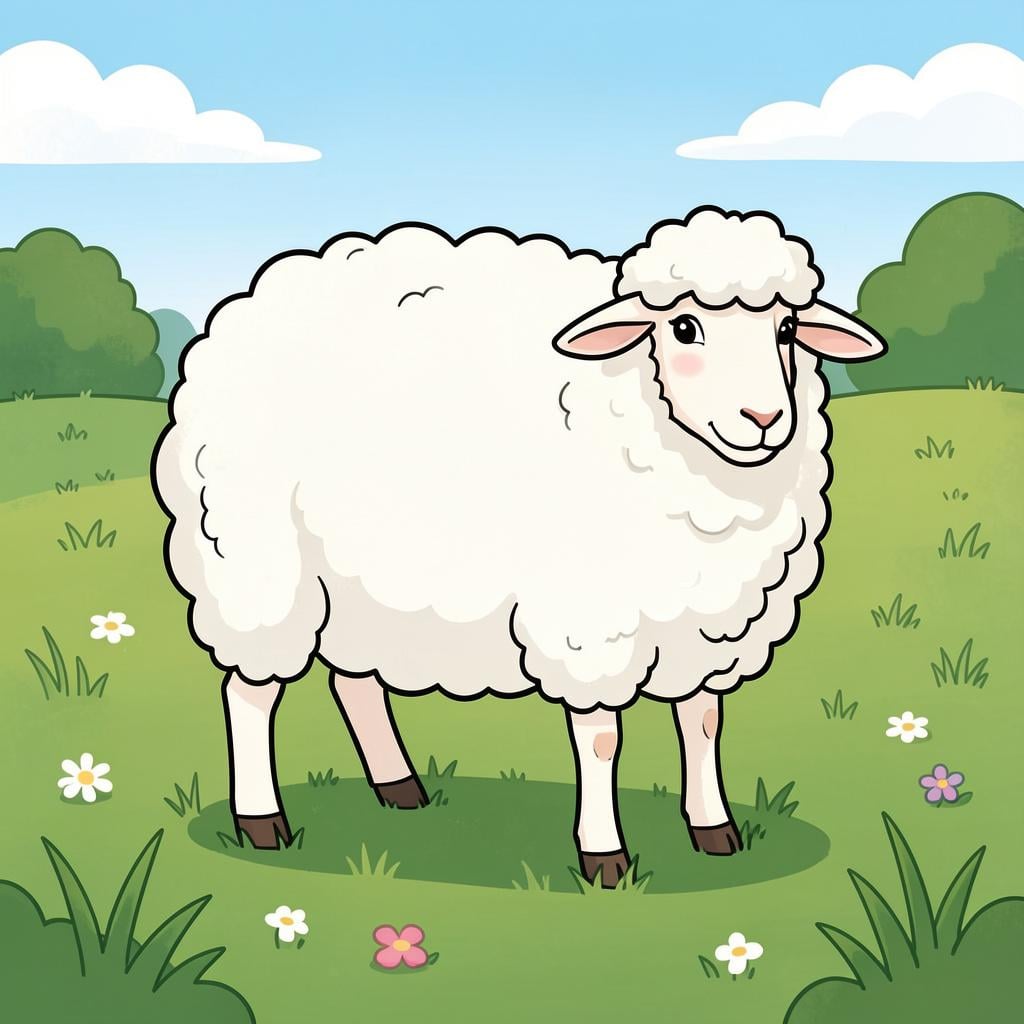
📝 In Action
Hay una oveja blanca en el campo.
A1There is a white sheep in the field.
La oveja nos da lana para hacer suéteres.
A1The sheep gives us wool to make sweaters.
El pastor cuida a su rebaño de ovejas.
A2The shepherd takes care of his flock of sheep.
Vocabulary Collections
Translate to Spanish
✏️ Quick Practice
Quick Quiz: oveja
Question 1 of 1
If you are the member of the family who is very different or doesn't fit in, you are the...
📚 More Resources
👥 Word Family▼
📚 Etymology▼
From the Latin word 'ovicula', which was a small or dear sheep (a 'diminutive' form of 'ovis').
First recorded: 10th century
Cognates (Related words)
💡 Master Spanish
Take your Spanish to the next level. Read 200+ illustrated and narrated Spanish stories tailored to your level with the Inklingo app!
Frequently Asked Questions
What do you call a male sheep in Spanish?
While 'oveja' is the general word for the animal, a male sheep (a ram) is specifically called a 'carnero'.
Is 'oveja' used for 'lamb'?
No, for a baby sheep or lamb, Spanish speakers use the word 'cordero'.