How to Say "ewe" in Spanish
The most common Spanish word for “ewe” is “oveja” — use 'oveja' when you specifically want to refer to a female sheep, as it is the most common and direct translation for 'ewe'.
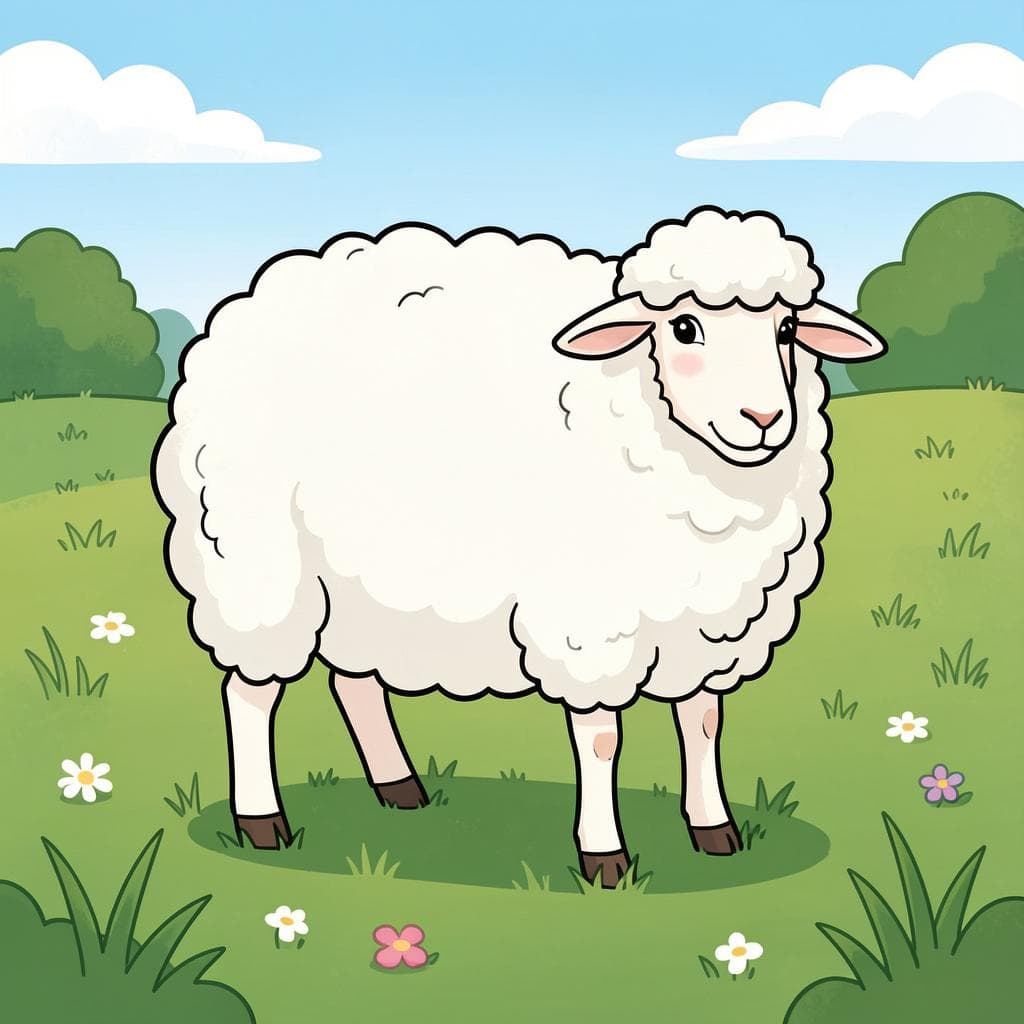
oveja
oh-BEH-hahoˈβexa
Examples
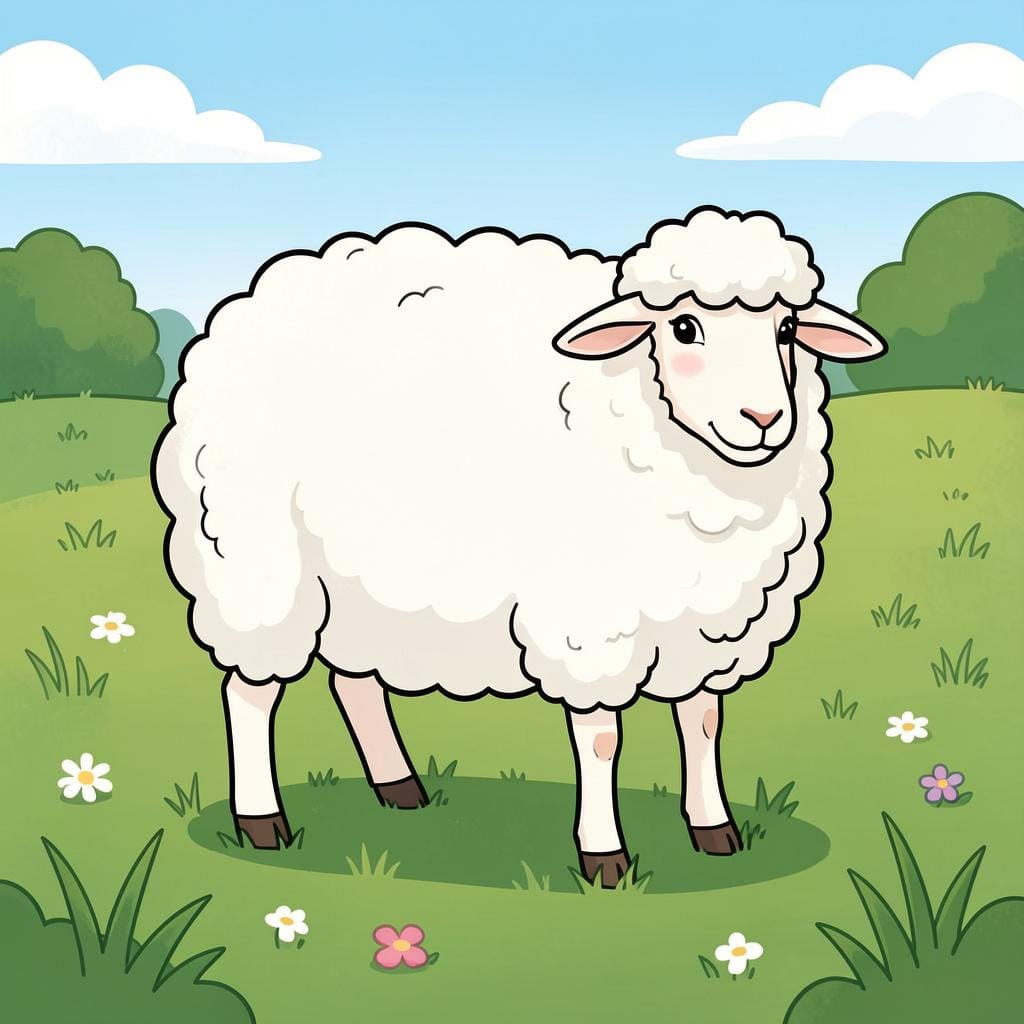
La oveja está comiendo hierba.
The ewe is eating grass.
Hay una oveja blanca en el campo.
There is a white sheep in the field.
La oveja nos da lana para hacer suéteres.
The sheep gives us wool to make sweaters.
El pastor cuida a su rebaño de ovejas.
The shepherd takes care of his flock of sheep.
Always Feminine
In Spanish, the word 'oveja' is always feminine. Even if you are talking about a male sheep, you still use 'la oveja' unless you use the specific word for a ram, which is 'carnero'.
Gender confusion
Mistake: “el oveja”
Correction: la oveja (always use the feminine 'la' because the word ends in 'a').
hembra
EM-brah (like 'em' in 'ember' followed by 'brah')ˈem.bɾa
Examples
Esta oveja es la hembra dominante del rebaño.
This sheep is the dominant female of the flock.
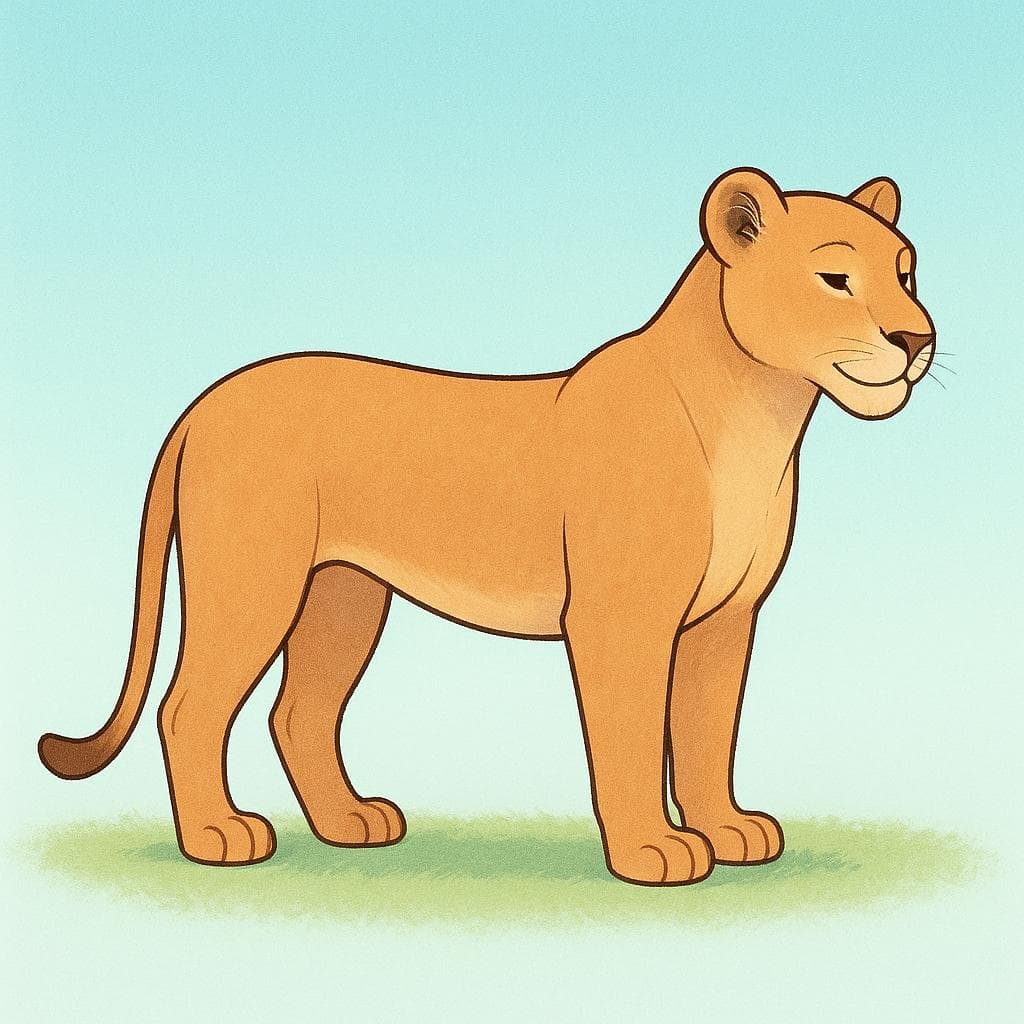
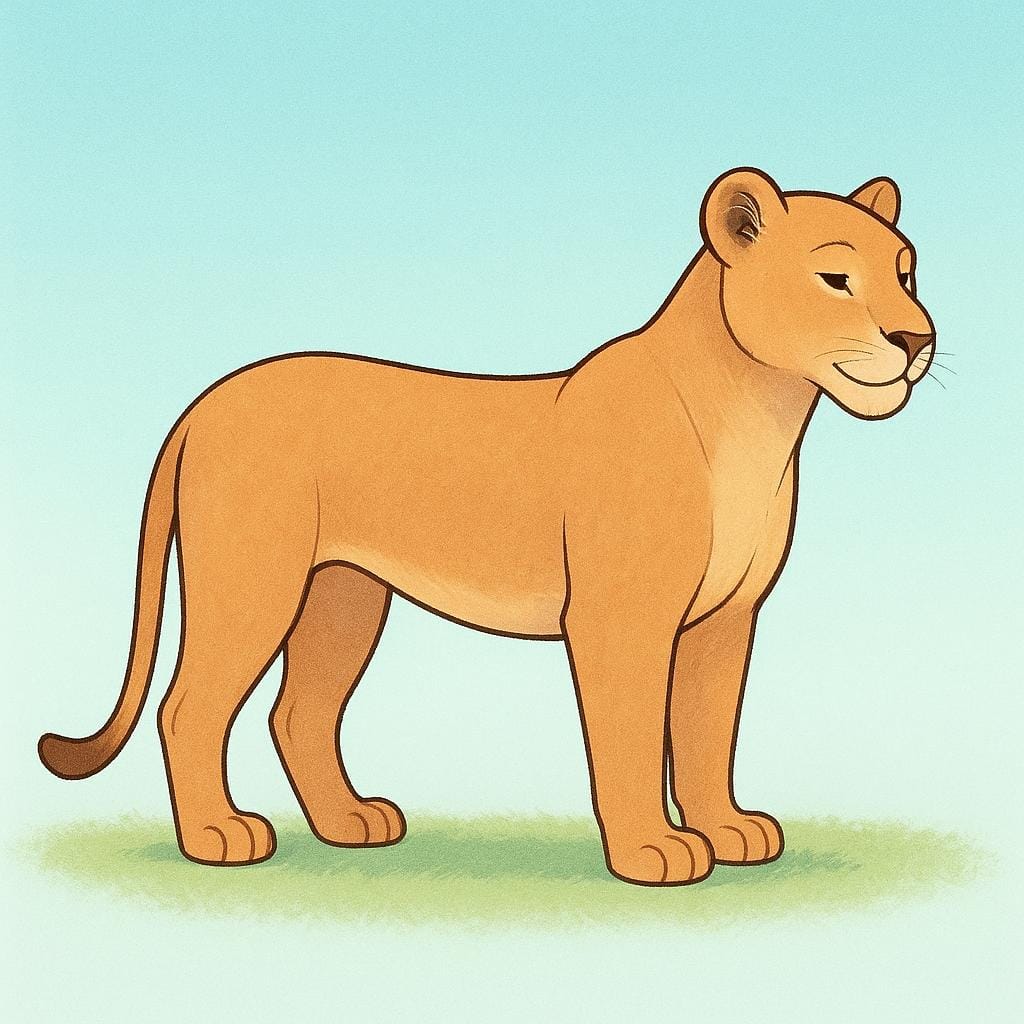
Esta leona es la hembra alfa de la manada.
This lioness is the alpha female of the pride.
Nació un cachorro macho y dos hembras.
One male puppy and two females were born.
Always Feminine
Even though it refers to animals, 'hembra' is always a feminine noun and takes feminine articles (la hembra, una hembra).
Oveja vs. Hembra
Learn Spanish with Inklingo
Interactive stories, personalized learning, and more.