How to Say "doe" in Spanish
The most common Spanish word for “doe” is “hembra” — use 'hembra' when referring to the female of any deer species in a general biological sense, or when the specific species is unknown or unimportant.

hembra
EM-brah (like 'em' in 'ember' followed by 'brah')ˈem.bɾa
Examples
La cierva era una hembra joven que se había separado de su grupo.
The deer was a young female that had become separated from its group.
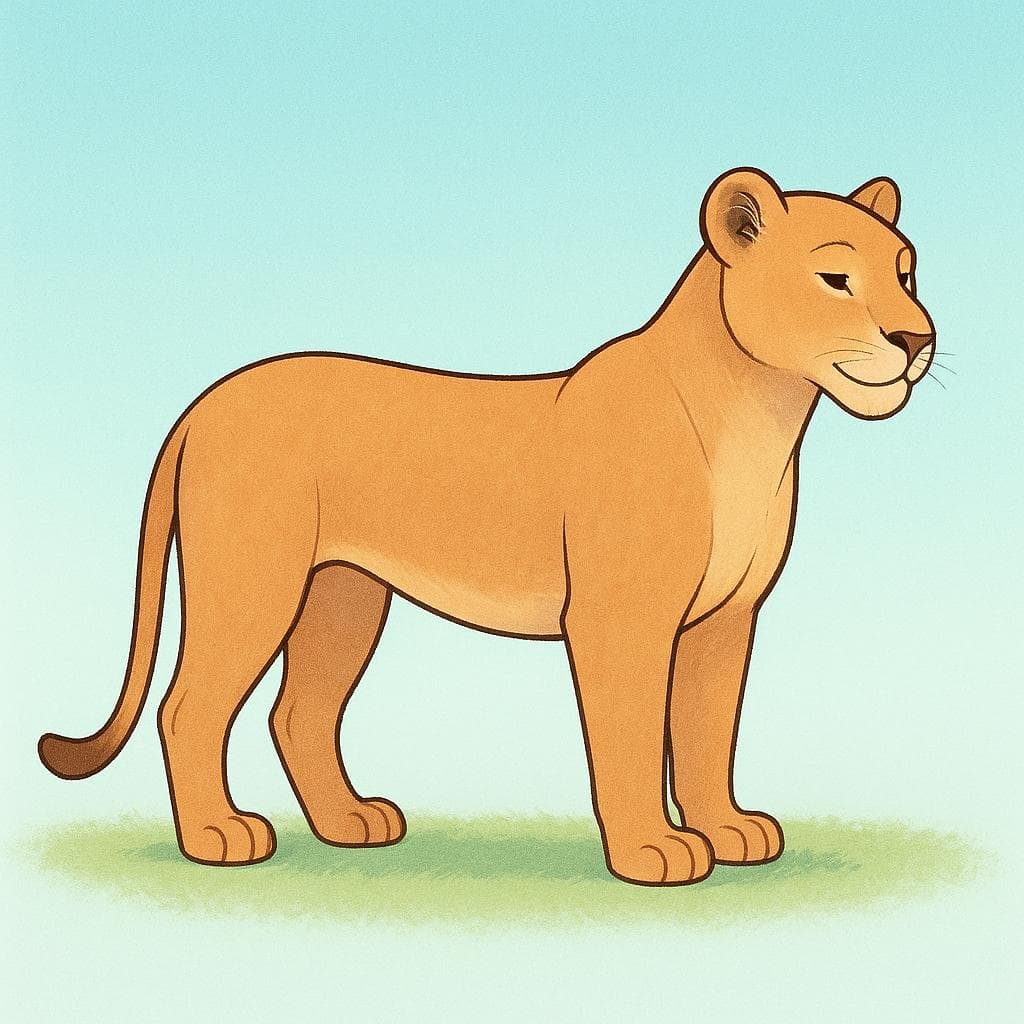
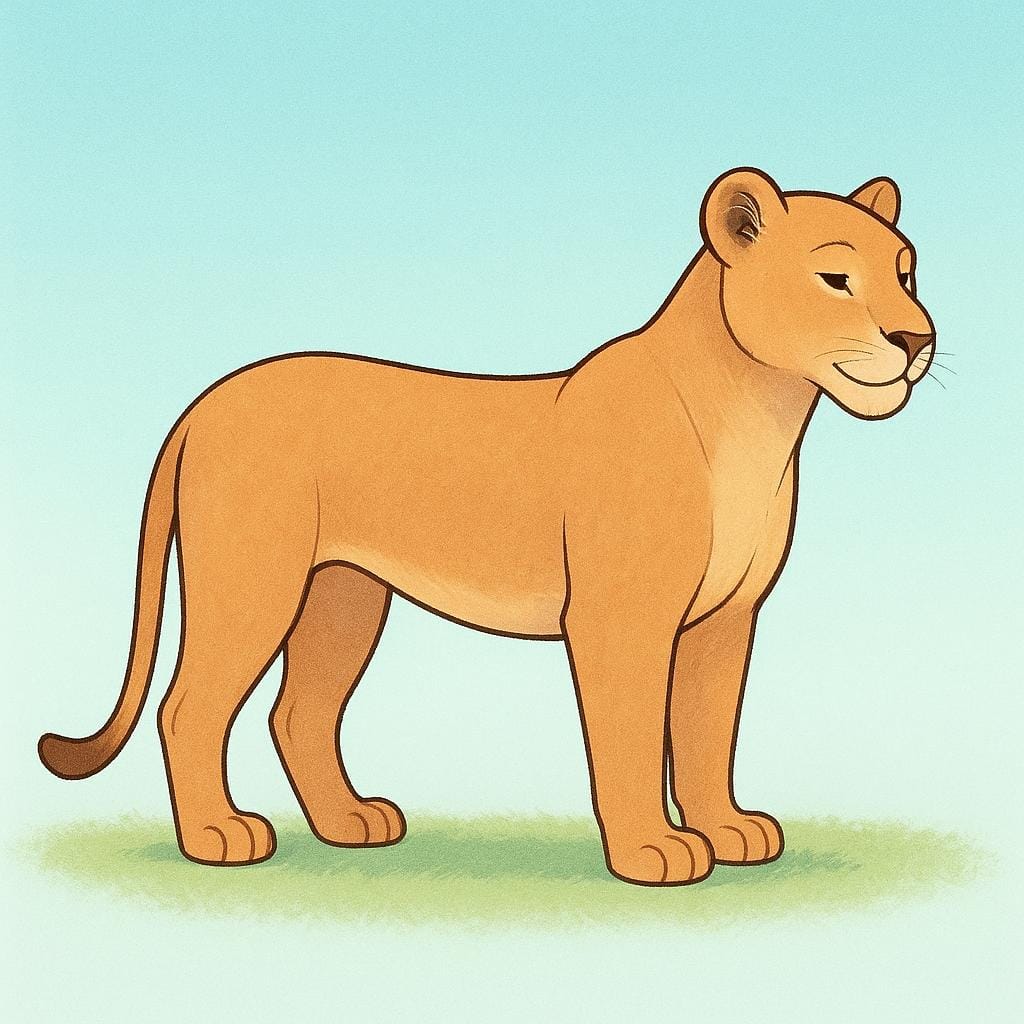
Esta leona es la hembra alfa de la manada.
This lioness is the alpha female of the pride.
Nació un cachorro macho y dos hembras.
One male puppy and two females were born.
Always Feminine
Even though it refers to animals, 'hembra' is always a feminine noun and takes feminine articles (la hembra, una hembra).
gama
GAH-mahˈɡama
Examples
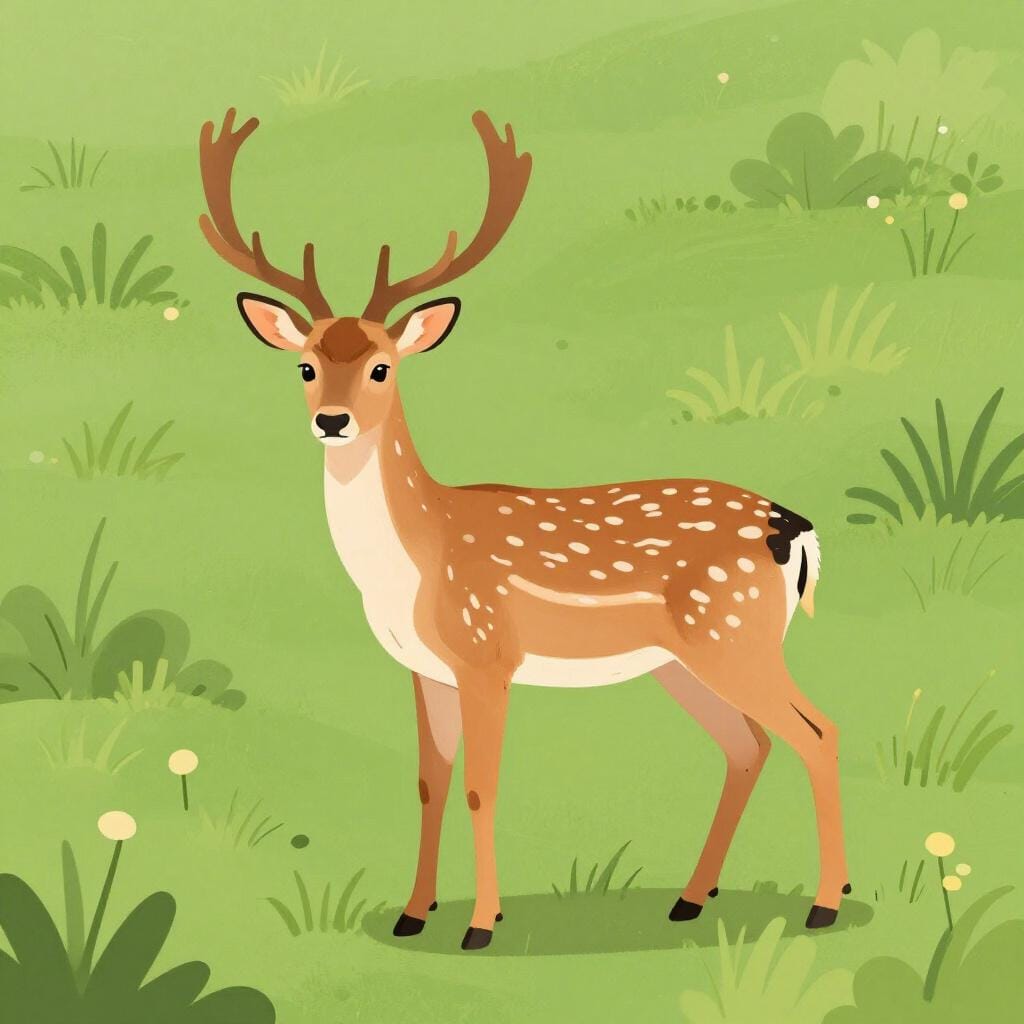
Vimos una gama con su cervatillo en el parque nacional.
We saw a doe with her fawn in the national park.
La gama cuidaba de su cría en el claro del bosque.
The doe was taking care of her young in the forest clearing.
El gamo y la gama saltaron la valla.
The buck and the doe jumped over the fence.
Vimos varias gamas cerca del río.
We saw several female fallow deer near the river.
The male counterpart
The male of this specific animal is called 'el gamo'. In Spanish, many animals have distinct names for males and females.
The generic deer
Mistake: “Using 'gama' for any female deer.”
Correction: Use 'cierva' for a generic female deer. 'Gama' specifically refers to the 'fallow deer' species.
General vs. Specific Deer Terms
Learn Spanish with Inklingo
Interactive stories, personalized learning, and more.