How to Say "receptacle" in Spanish
The most common Spanish word for “receptacle” is “recipiente” — use 'recipiente' when referring to a general container or vessel used for holding something, such as food or liquids.

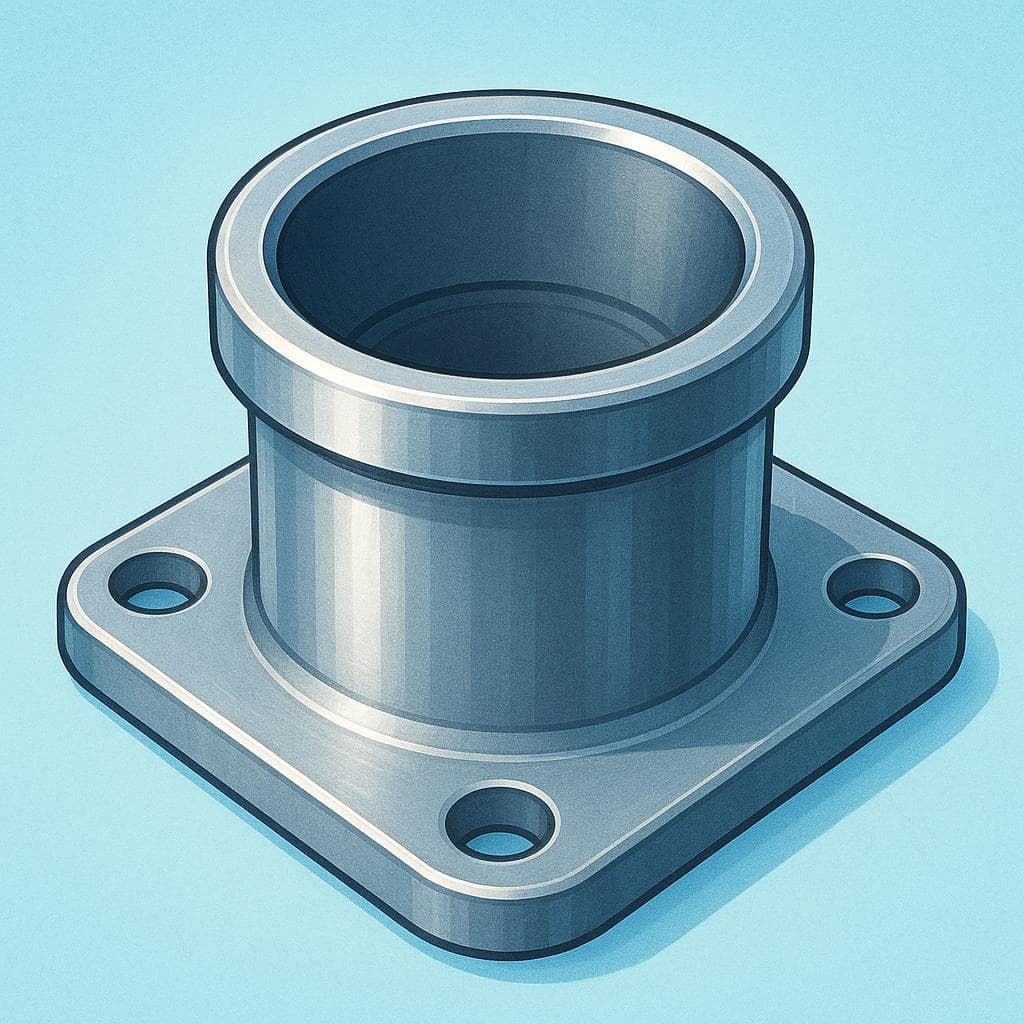
recipiente
re-see-pyen-teresiˈpjente

Examples
Guarda las sobras en un recipiente de plástico.
Store the leftovers in a plastic container.
Necesitamos un recipiente resistente al calor para esta mezcla.
We need a heat-resistant vessel for this mixture.
El artista usó un antiguo recipiente de barro para su obra.
The artist used an old clay vessel for his work.
Gender and Endings
Even though this word ends in '-e', it is masculine. Always use 'el' or 'un' with it: 'el recipiente'.
Describing Material
To say what the container is made of, use 'de' followed by the material: 'un recipiente de madera' (a wooden container).
Recipiente vs. Recibo
Mistake: “Usar 'recipiente' para hablar de un tiquet de compra.”
Correction: Use 'recibo' for a receipt and 'recipiente' for a container. They sound similar to English speakers but are totally different!
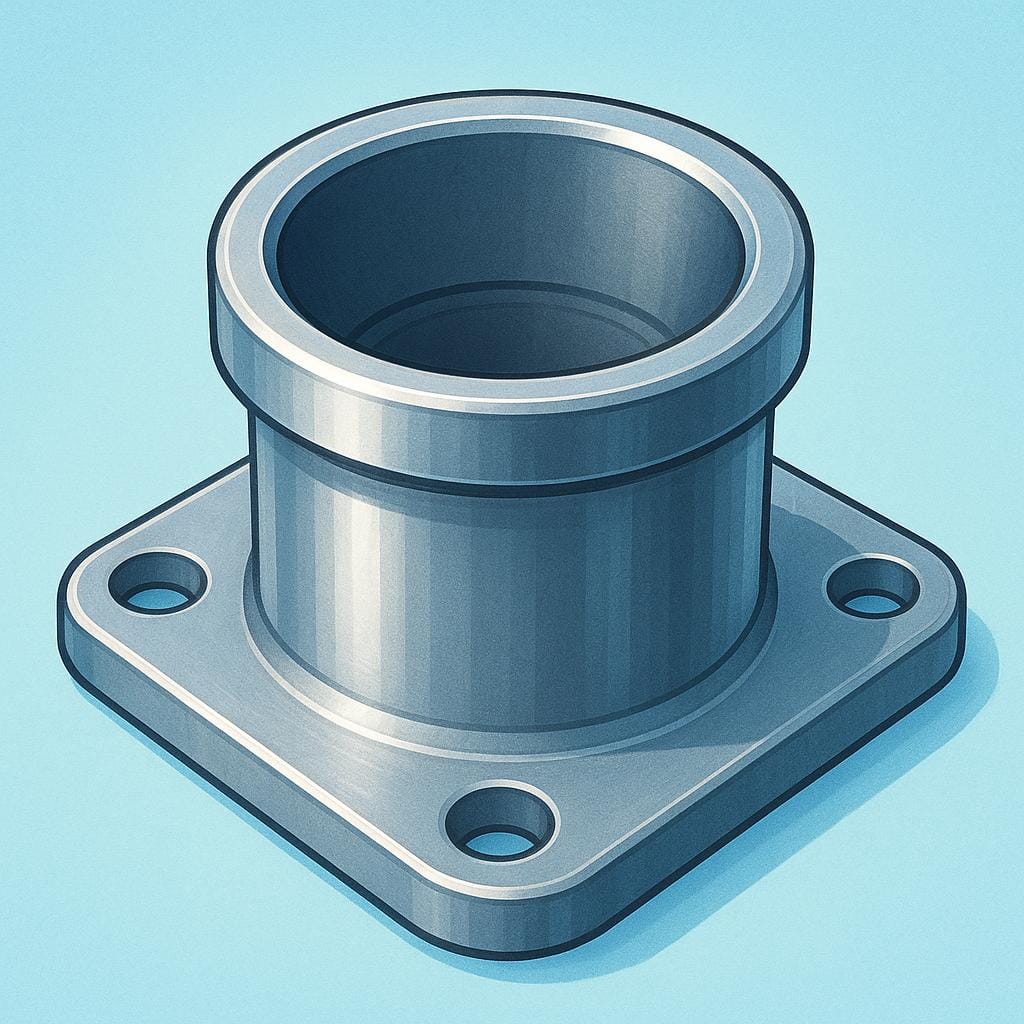
hembra
EM-brah (like 'em' in 'ember' followed by 'brah')ˈem.bɾa
Examples
Necesitas alinear el macho con la hembra para cerrar la cerradura.
You need to align the male part with the female part (socket) to close the lock.
La conexión tiene una cabeza macho y una hembra.
The connection has a male head and a female head (receptacle).
Technical Gender Analogy
In technical Spanish, 'hembra' (female) is used for the part that receives or contains something, while 'macho' (male) is the part that inserts or connects.
Confusing 'recipiente' and 'hembra'
Learn Spanish with Inklingo
Interactive stories, personalized learning, and more.