How to Say "female" in Spanish
The most common Spanish word for “female” is “mujer” — use 'mujer' when referring to a human female, equivalent to the English word 'woman'.

Use 'mujer' when referring to a human female, equivalent to the English word 'woman'.
Learn more →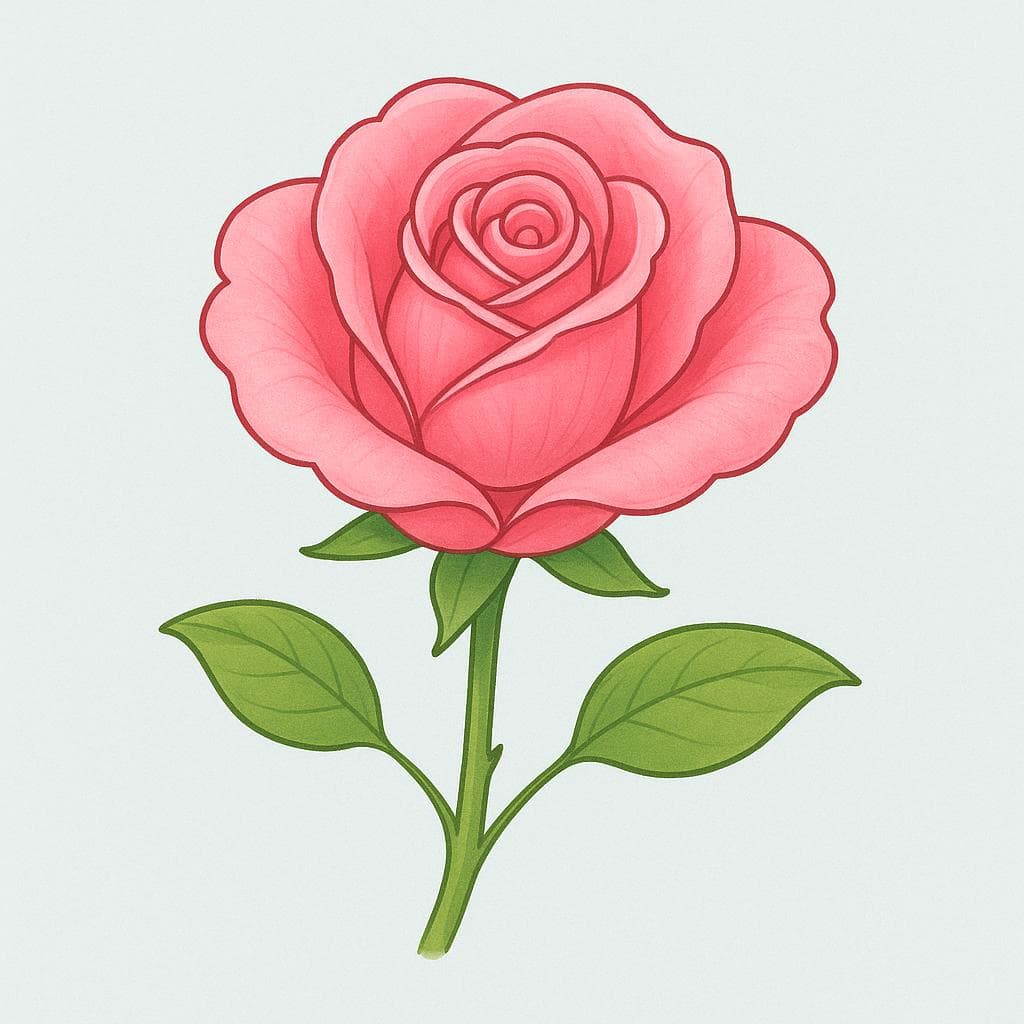
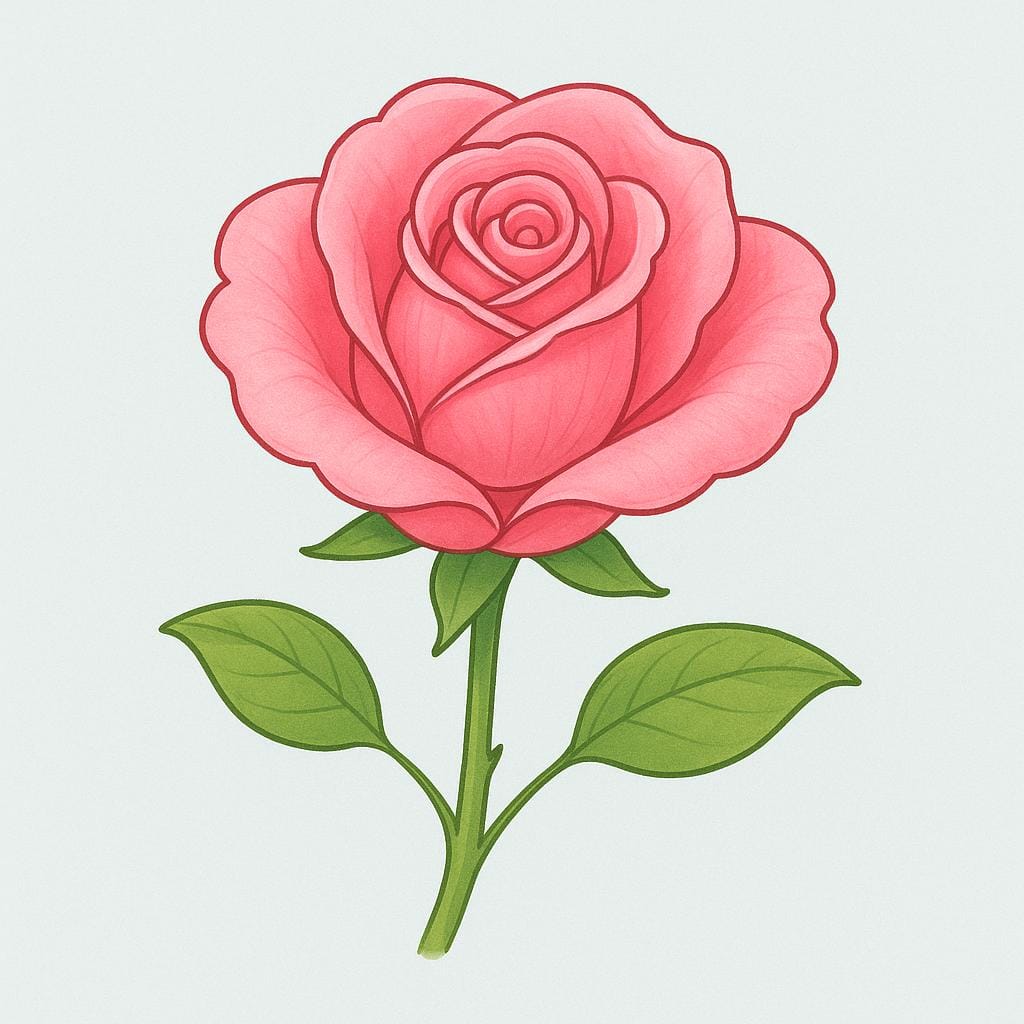
Use 'femenino' as an adjective to describe qualities typically associated with women or the female sex, such as in 'a feminine voice'.
Learn more →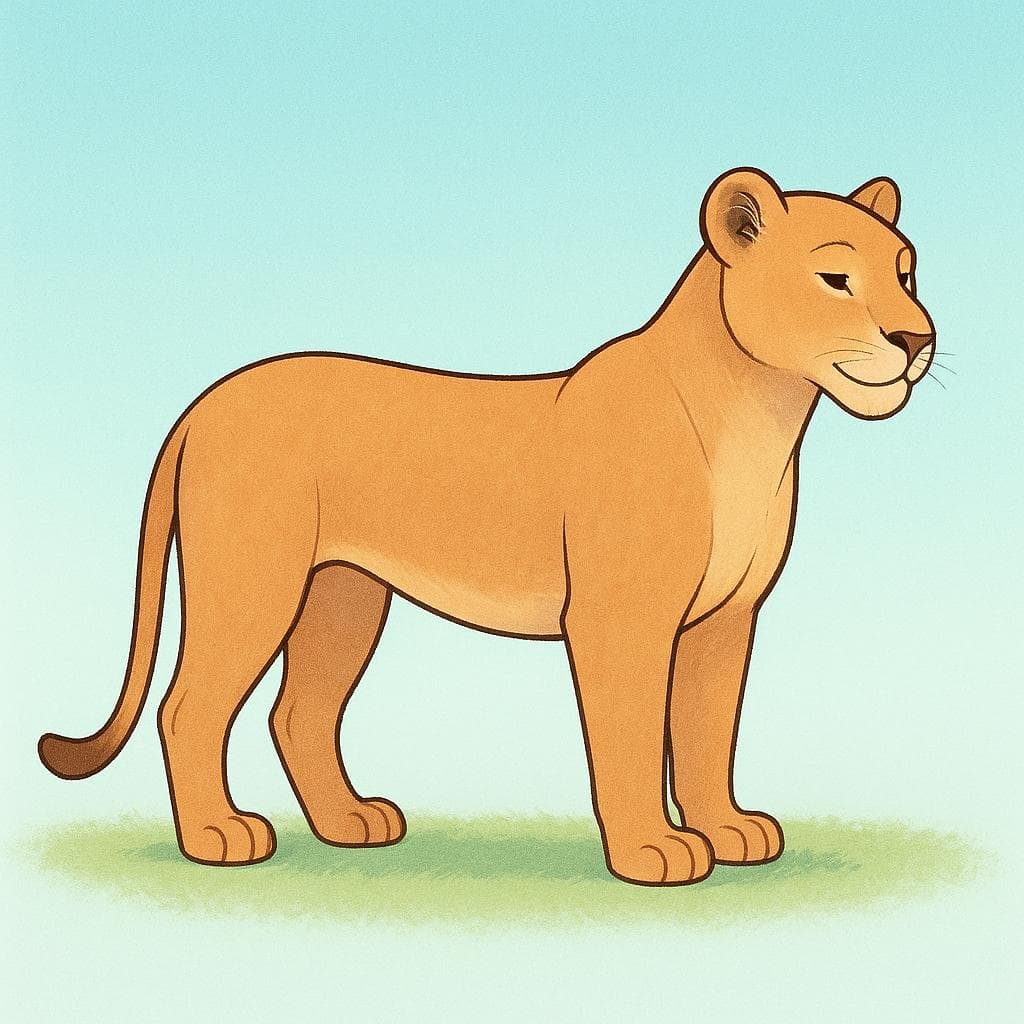
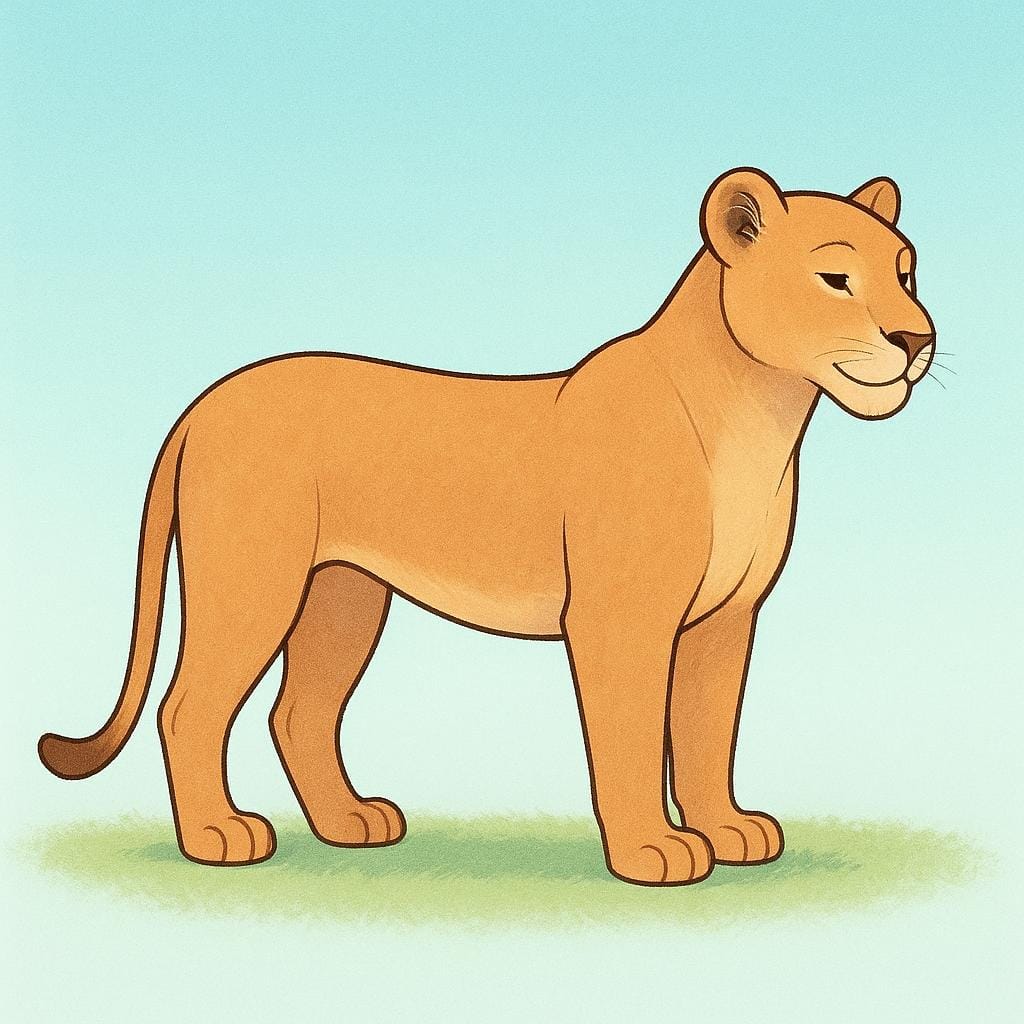
Use 'hembra' when referring to the female of an animal or plant species, similar to the English word 'female' when applied to non-humans.
Learn more →moo-HERmuˈxeɾ

Examples
Esa mujer es mi profesora de español.
That woman is my Spanish teacher.
Hay una mujer esperando en la puerta.
There is a woman waiting at the door.
La lucha por los derechos de la mujer es importante.
The fight for women's rights is important.
Always Feminine
The word 'mujer' is always a feminine noun. This means you always use 'la' for 'the' (la mujer) and 'una' for 'a' (una mujer).
Using the Wrong 'The'
Mistake: “El mujer es alta.”
Correction: La mujer es alta. Because 'mujer' is a feminine word, it needs the feminine article 'la' before it.
feh-meh-NEE-nohfe.meˈni.no
Examples
Ella tiene una voz muy suave y femenina.
She has a very soft and feminine voice.
Las hormonas femeninas son esenciales para su desarrollo.
Female hormones are essential for her development.
El equipo femenino ganó el campeonato.
The female team won the championship.
Adjective Agreement
As an adjective, 'femenino' must change to match the noun it describes. If the noun is plural and feminine, it becomes 'femeninas' (e.g., 'las voces femeninas').
EM-brah (like 'em' in 'ember' followed by 'brah')ˈem.bɾa
Examples
Esta leona es la hembra alfa de la manada.
This lioness is the alpha female of the pride.
Nació un cachorro macho y dos hembras.
One male puppy and two females were born.
Always Feminine
Even though it refers to animals, 'hembra' is always a feminine noun and takes feminine articles (la hembra, una hembra).
Confusing 'mujer' and 'hembra'
The most common mistake is using 'hembra' to refer to a human female. Remember that 'hembra' is almost exclusively used for animals and plants, while 'mujer' is the correct term for a human woman.
Related Translations
Learn Spanish with Inklingo
Interactive stories, personalized learning, and more.