Inklingo

How to Say "woman" in Spanish

The most common Spanish word forwomanis mujeruse 'mujer' as the default, general term for an adult female, similar to 'woman' in English, suitable for most everyday situations..

mujer🔊A1

Use 'mujer' as the default, general term for an adult female, similar to 'woman' in English, suitable for most everyday situations.

{ui.learnMore}
señoraA2

Use 'señora' when referring to an adult woman, especially one who appears mature or when you want to show respect, similar to 'madam' or 'ma'am'.

{ui.learnMore}
dama🔊A2

Use 'dama' in more formal or literary contexts to refer to a lady, often implying elegance or social standing, but it's less common in everyday speech than 'mujer' or 'señora'.

{ui.learnMore}
tíaB1

Use 'tía' informally among friends, particularly in Spain, to refer to a woman or girl, similar to 'gal' or 'chick'.

{ui.learnMore}
hembra🔊B2

Use 'hembra' when specifically emphasizing the female gender, often in a biological or sometimes a colloquial, strong sense, but avoid it in general conversation as it can sound blunt.

{ui.learnMore}
English → Spanish

mujer

/moo-HER//muˈxeɾ/

NounA1General
Use 'mujer' as the default, general term for an adult female, similar to 'woman' in English, suitable for most everyday situations.
A diverse group of adult women smiling and looking confident.

Examples

Esa mujer es mi profesora de español.

That woman is my Spanish teacher.

Hay una mujer esperando en la puerta.

There is a woman waiting at the door.

La lucha por los derechos de la mujer es importante.

The fight for women's rights is important.

Always Feminine

The word 'mujer' is always a feminine noun. This means you always use 'la' for 'the' (la mujer) and 'una' for 'a' (una mujer).

Using the Wrong 'The'

Mistake:El mujer es alta.

Correction: La mujer es alta. Because 'mujer' is a feminine word, it needs the feminine article 'la' before it.

señora

NounA2Formal/Respectful
Use 'señora' when referring to an adult woman, especially one who appears mature or when you want to show respect, similar to 'madam' or 'ma'am'.

Examples

Una señora me preguntó la hora en la calle.

A lady asked me for the time on the street.

dama

DAH-mah/ˈda.ma/

NounA2Formal/Literary
Use 'dama' in more formal or literary contexts to refer to a lady, often implying elegance or social standing, but it's less common in everyday speech than 'mujer' or 'señora'.
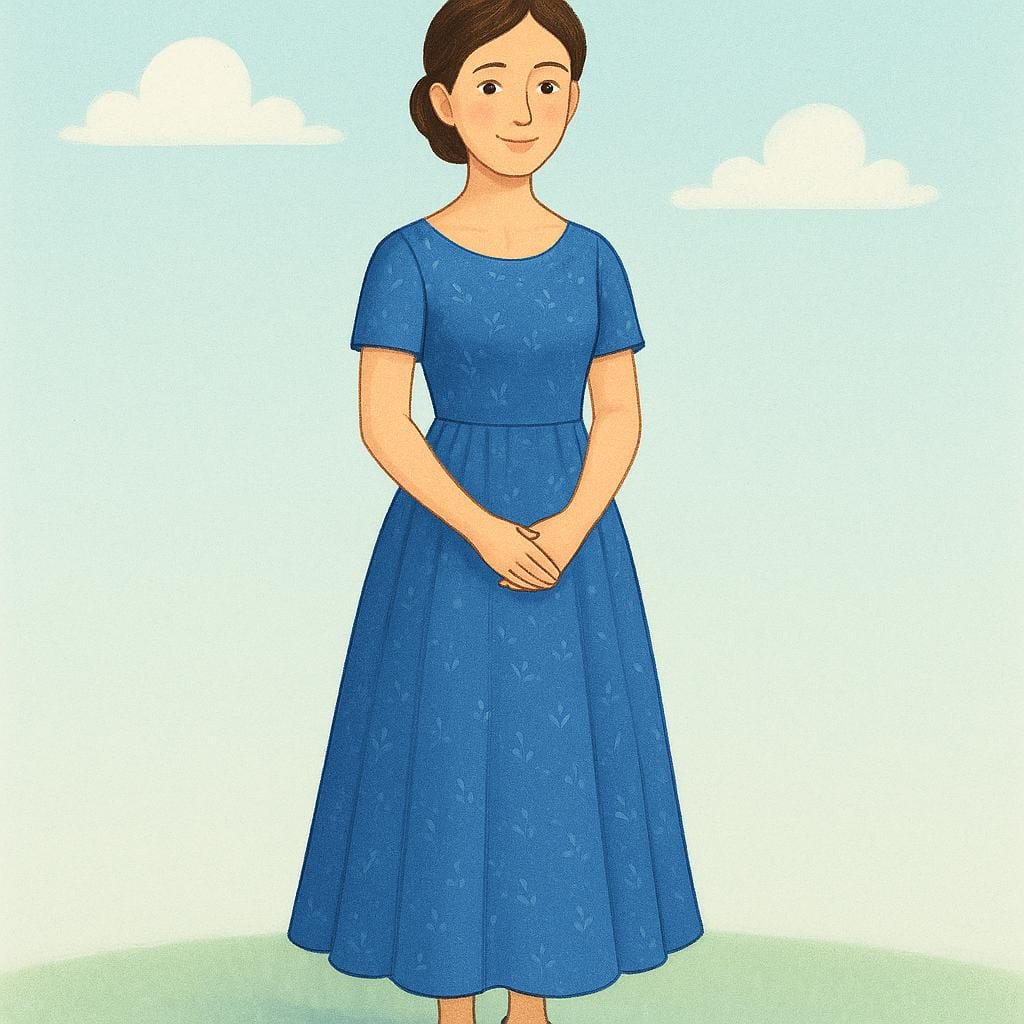
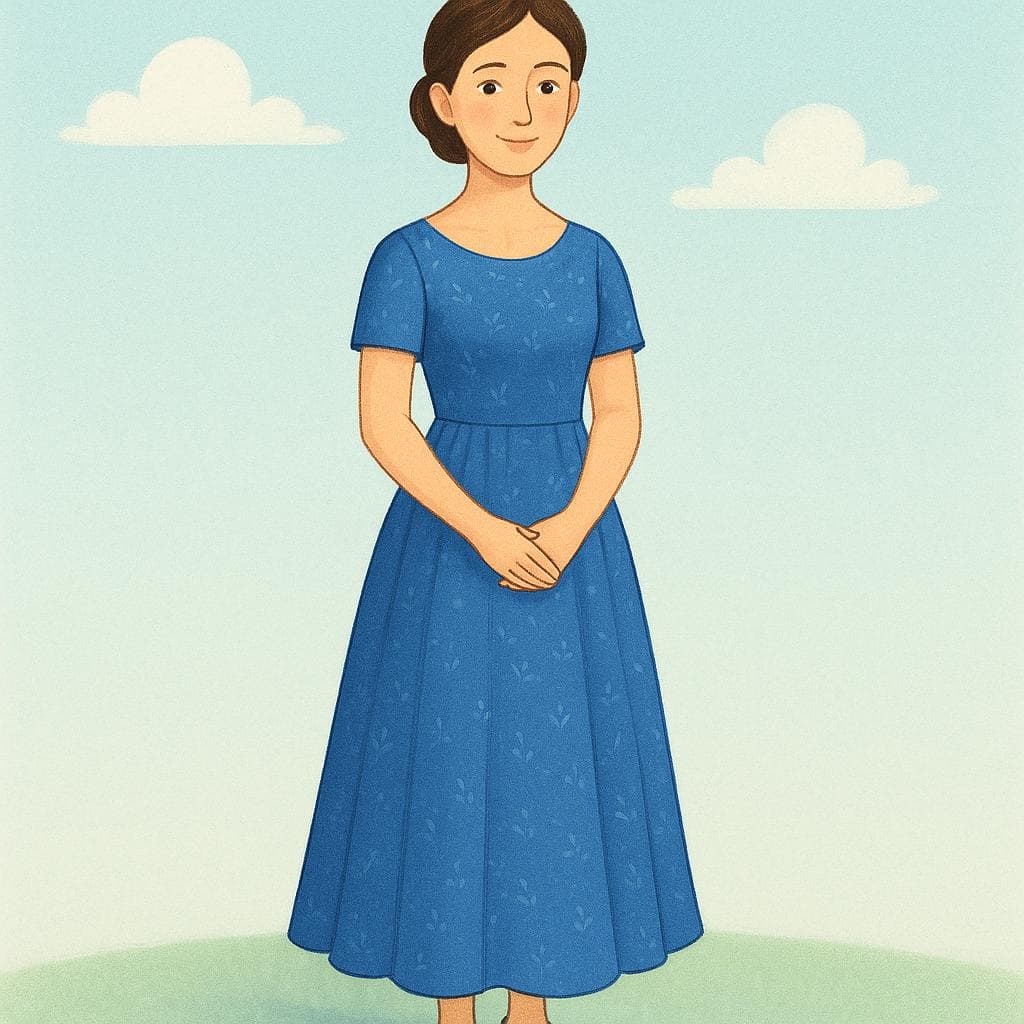
A woman wearing an elegant dress and holding a small handbag, smiling politely.

Examples

La joven dama esperó pacientemente en la entrada.

The young lady waited patiently at the entrance.

Mi abuela siempre fue considerada una gran dama de la sociedad.

My grandmother was always considered a great lady of society.

El mesero preguntó: "¿Qué desea la dama?"

The waiter asked, "What does the lady wish?"

Respectful Reference

'Dama' is often used to refer to a woman respectfully or formally, similar to how you might use 'lady' in English.

tía

NounB1Informal/Colloquial
Use 'tía' informally among friends, particularly in Spain, to refer to a woman or girl, similar to 'gal' or 'chick'.

Examples

Oye, tía, ¿qué tal?

Hey girl, what's up?

hembra

EM-brah (like 'em' in 'ember' followed by 'brah')/ˈem.bɾa/

NounB2Colloquial/Specific
Use 'hembra' when specifically emphasizing the female gender, often in a biological or sometimes a colloquial, strong sense, but avoid it in general conversation as it can sound blunt.
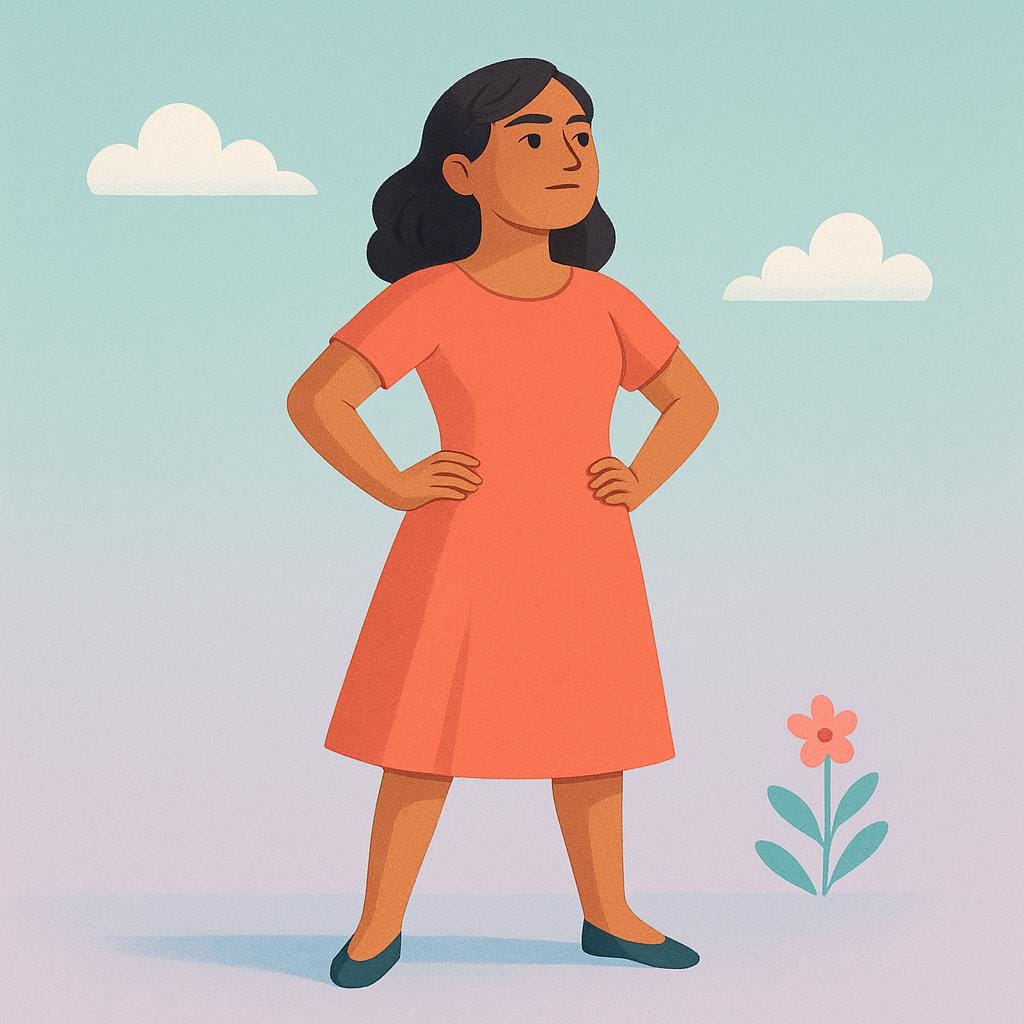
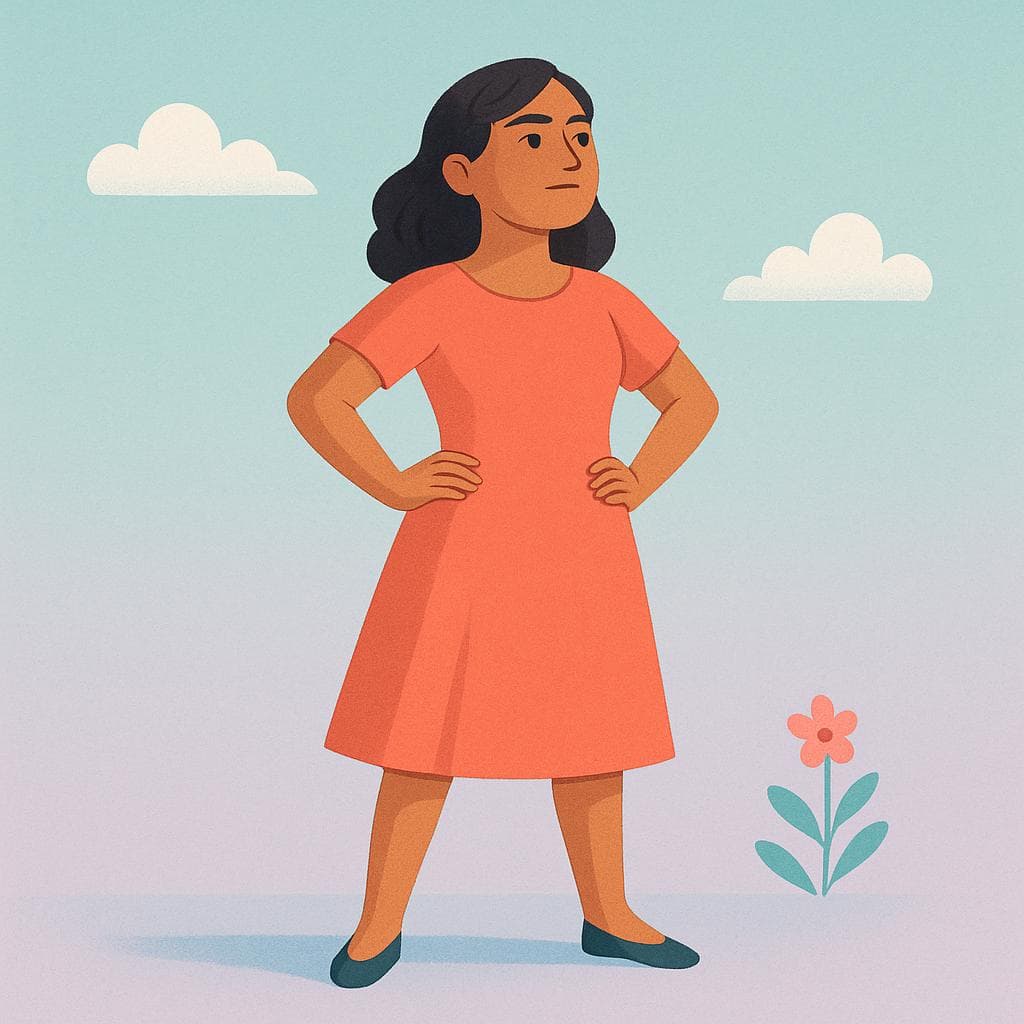
A portrait of a confident woman with strong posture, standing with her hands on her hips and a determined look.

Examples

Ella es una hembra de carácter, no se deja intimidar.

She is a woman of strong character, she doesn't let herself be intimidated.

¡Qué hembra tan guapa!

What a beautiful woman/gal! (Highly informal/colloquial, potentially crude)

Using 'Hembra' for People

Mistake:Using 'hembra' in formal or neutral conversation to refer to a woman.

Correction: Always use 'mujer' (woman) or 'señora' (lady) for respectful, standard conversation. 'Hembra' usually has a crude or overly biological sound when referring to humans.

General vs. Formal Terms

The most common mistake is using 'dama' or 'hembra' in everyday situations where 'mujer' or 'señora' would be appropriate. 'Dama' is often too formal or old-fashioned, while 'hembra' can sound objectifying or overly biological. Stick to 'mujer' for general use and 'señora' for respectful address.

Learn Spanish with Inklingo

Interactive stories, personalized learning, and more.