How to Say "lady" in Spanish
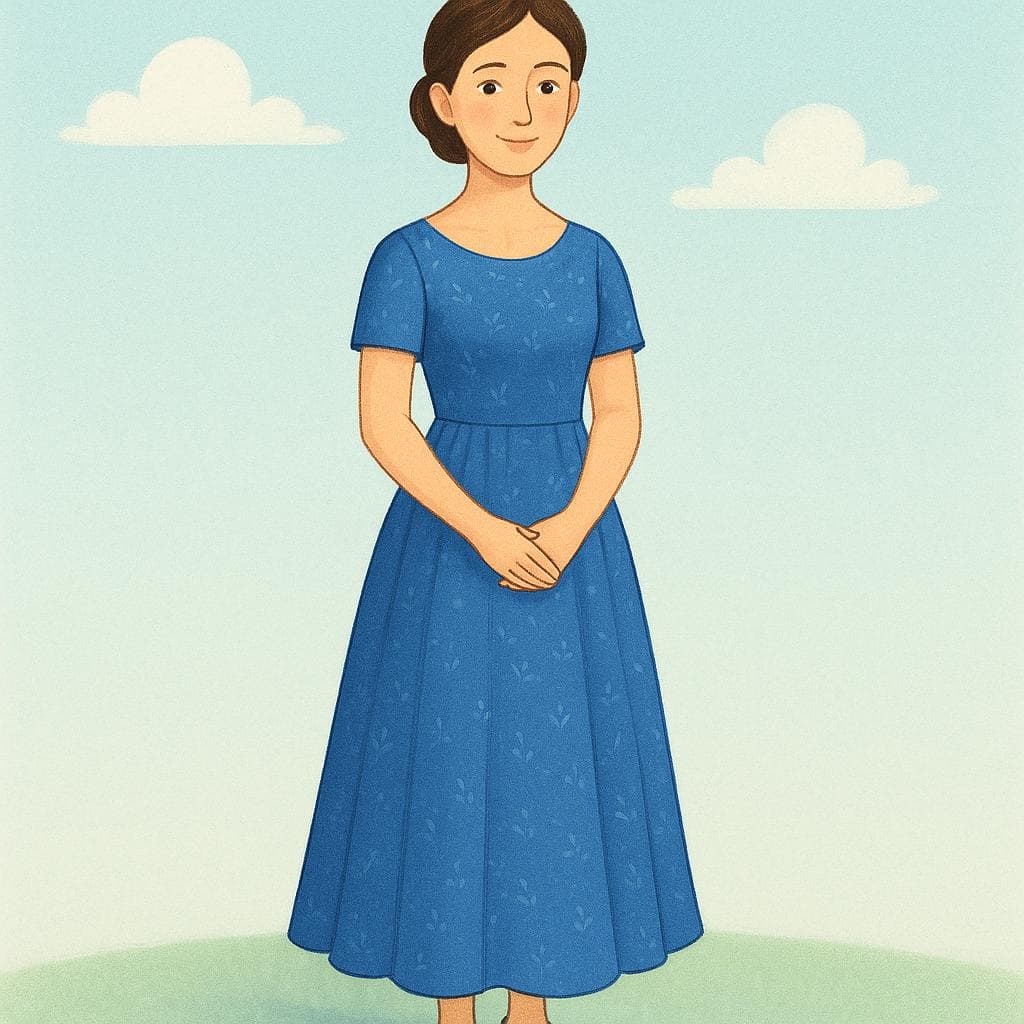
The most common Spanish word for “lady” is “señora” — use 'señora' as a general, polite, and common way to refer to an adult woman, similar to 'ma'am' or 'madam' in English.
señora
Examples
Una señora me preguntó la hora en la calle.
A lady asked me for the time on the street.
dama
DAH-mahˈda.ma
Examples
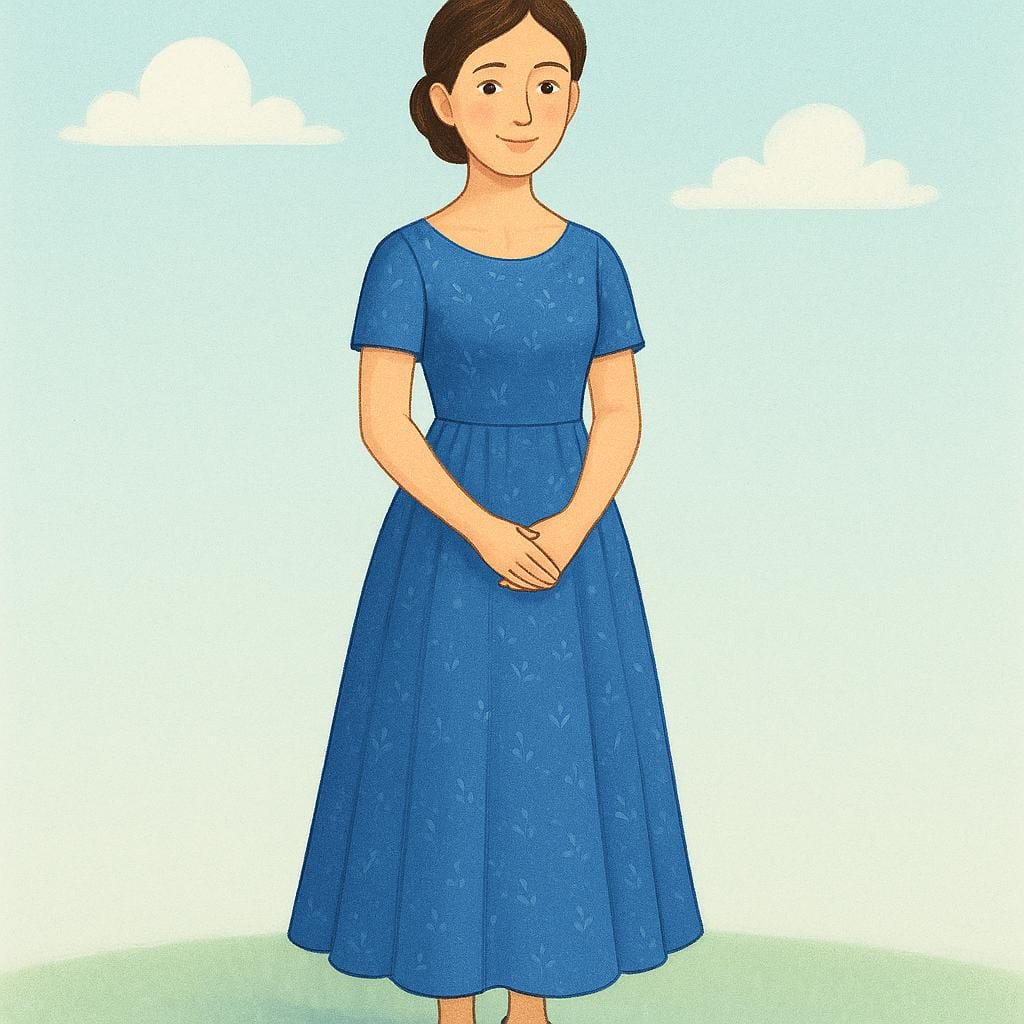
La joven dama esperó pacientemente en la entrada.
The young lady waited patiently at the entrance.
Mi abuela siempre fue considerada una gran dama de la sociedad.
My grandmother was always considered a great lady of society.
El mesero preguntó: "¿Qué desea la dama?"
The waiter asked, "What does the lady wish?"
Respectful Reference
'Dama' is often used to refer to a woman respectfully or formally, similar to how you might use 'lady' in English.
doña
Examples
Necesito hablar con Doña Isabel sobre el contrato.
I need to speak with Mrs. Isabel about the contract.
Confusing 'Señora' and 'Dama'
Related Translations
Learn Spanish with Inklingo
Interactive stories, personalized learning, and more.