How to Say "mrs." in Spanish
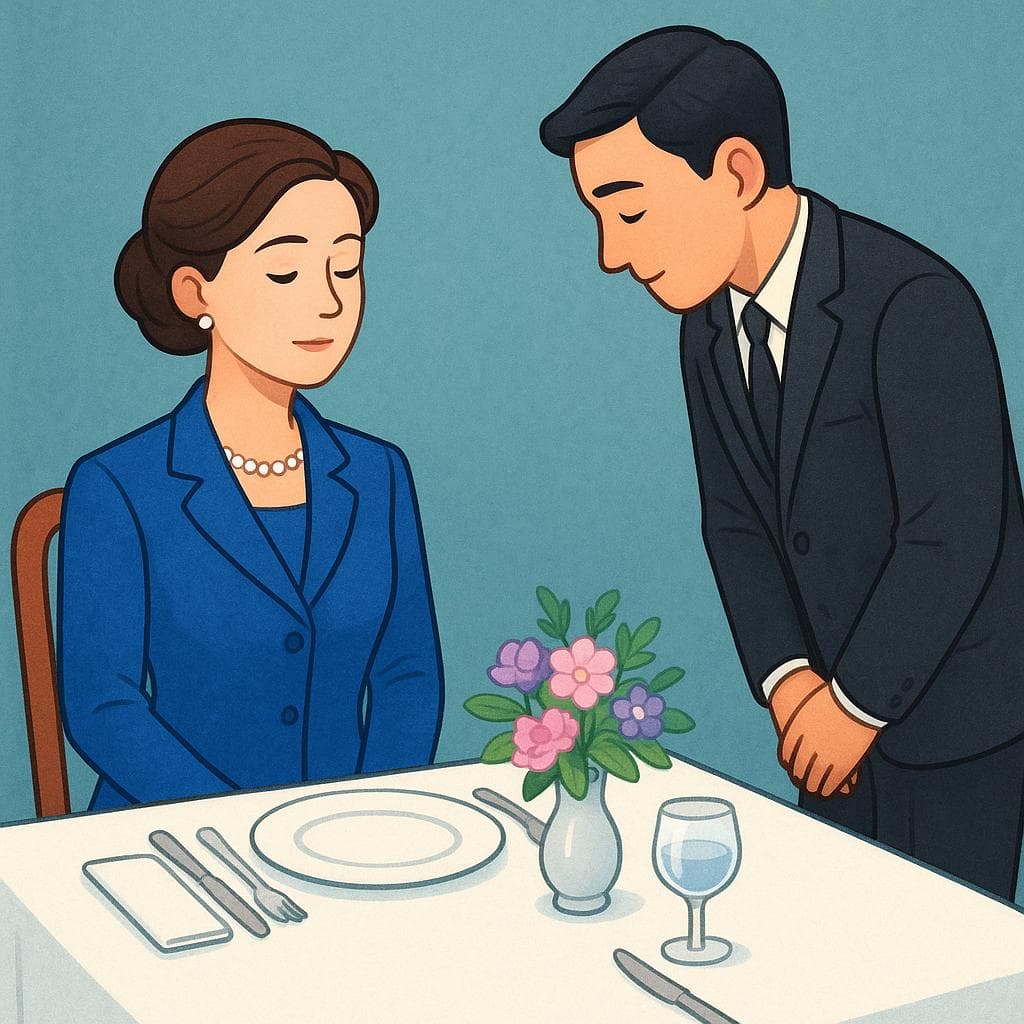
The most common Spanish word for “mrs.” is “señora” — use 'señora' as a direct and common title before a woman's last name, similar to 'Mrs.' in English.
señora
Examples
Buenos días, señora López.
Good morning, Mrs. López.
sra.
Examples
La Sra. García es la directora del colegio.
Mrs. García is the school principal.
doña
Examples
Necesito hablar con Doña Isabel sobre el contrato.
I need to speak with Mrs. Isabel about the contract.
madame
mah-DAHM-ehmaˈðame
Examples
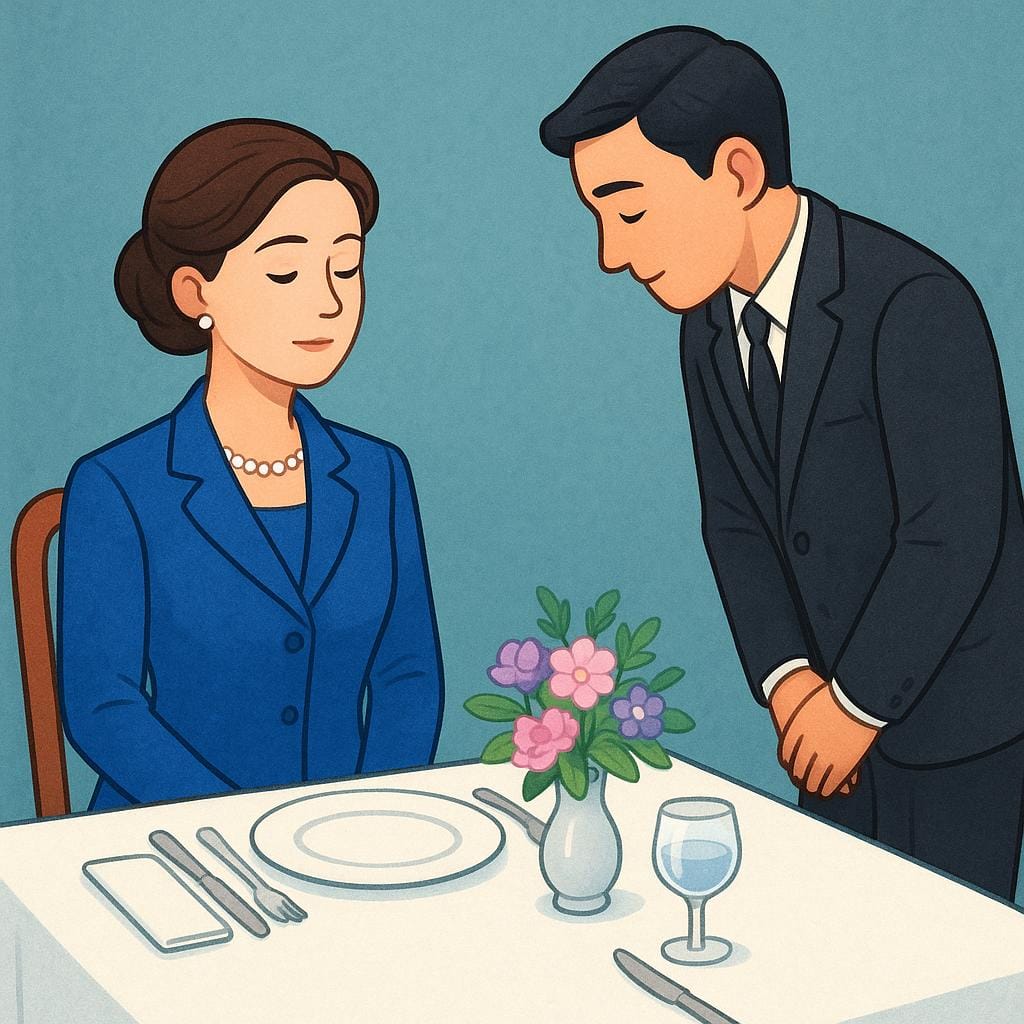
El embajador saludó a Madame Dubois con una reverencia.
The ambassador greeted Madam Dubois with a bow.
En Francia, el título de 'madame' se usa para dirigirse a cualquier mujer casada o mayor.
In France, the title 'madame' is used to address any married or older woman.
Foreign Titles
When used as a title before a name, it is often capitalized in Spanish, similar to how 'Señora' would be.
Señora vs. Doña
Learn Spanish with Inklingo
Interactive stories, personalized learning, and more.