How to Say "mistress" in Spanish
The most common Spanish word for “mistress” is “querida” — use 'querida' when referring to a woman who is in a romantic relationship with someone, often a married man, and is considered their lover or mistress.

Examples
La película trata de un hombre que tiene una querida.
The movie is about a man who has a mistress.
ama
AH-mahˈa.ma
Examples
Mi madre es ama de casa y cuida de nosotros.
My mother is a housewife and takes care of us.
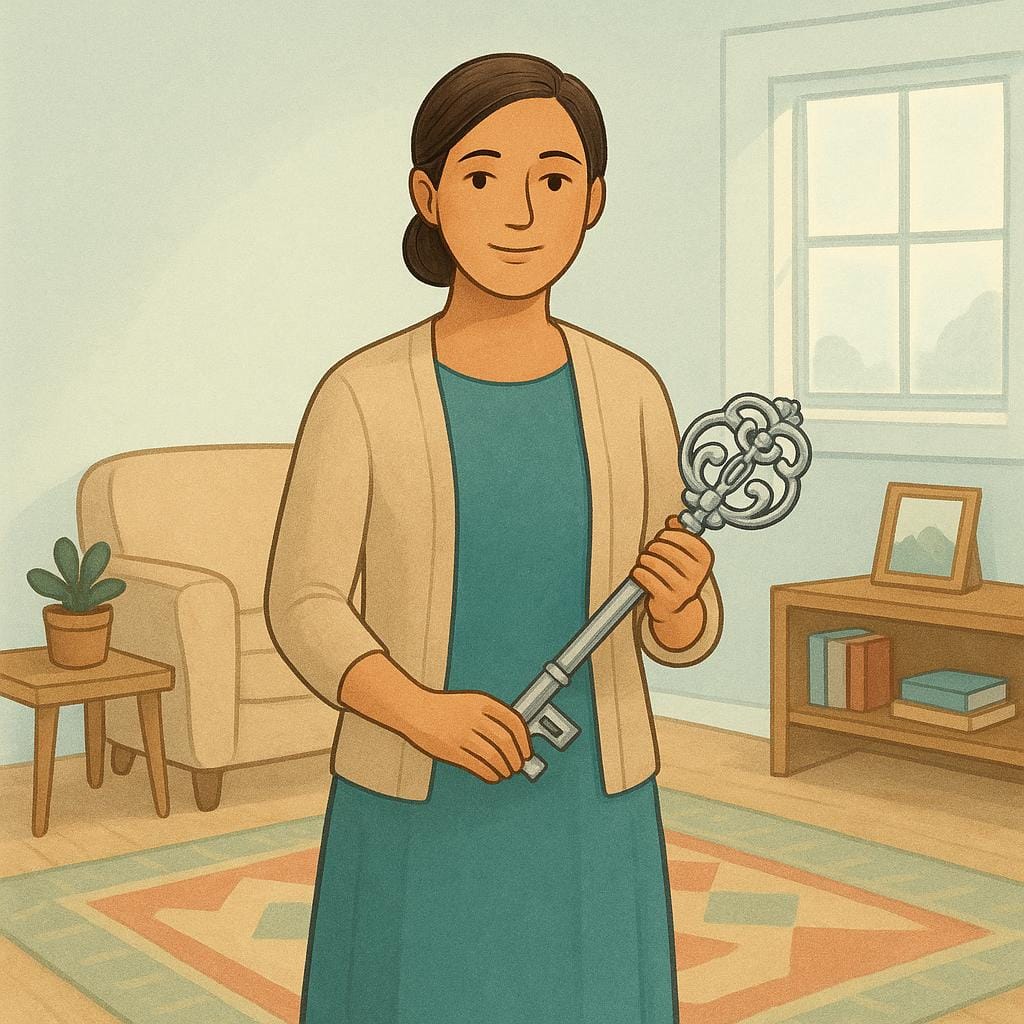
La joven trabajó como ama de llaves en la mansión.
The young woman worked as a housekeeper in the mansion.
Compound Nouns
'Ama' is most frequently seen today as the first part of a fixed phrase describing a specific job related to running a household or overseeing keys/children.
amante
ah-MAHN-tehaˈman.te

Examples
La novela cuenta la historia de un hombre y su amante secreta.
The novel tells the story of a man and his secret lover/mistress.
Su amante le regaló un collar muy caro.
His lover gave him a very expensive necklace.
The Same Word for Both
Remember, 'amante' is used for both men and women. You use 'el amante' when talking about a man, and 'la amante' when talking about a woman.
dueña
Examples
Ella se siente dueña de su destino y toma todas las decisiones.
She feels mistress of her destiny and makes all the decisions.
madame
mah-DAHM-ehmaˈðame

Examples
La madame del local fue arrestada por la policía.
The madam of the establishment was arrested by the police.
Todos le temían a la madame, era una mujer de carácter fuerte.
Everyone was afraid of the madam; she was a woman with a strong character.
Gender and Articles
Even though 'madame' is borrowed from French, in Spanish it is treated as a feminine noun and always uses the feminine article 'la'.
Pronunciation
Mistake: “Pronouncing it the French way ('mah-DAM').”
Correction: Spanish speakers usually pronounce all the letters, including the final 'e': 'mah-DAHM-eh'.
Confusing Lover vs. House Manager
Related Translations
Learn Spanish with Inklingo
Interactive stories, personalized learning, and more.