How to Say "landlady" in Spanish
The most common Spanish word for “landlady” is “casera” — use 'casera' when referring specifically to the female owner of a property that is being rented out, especially in the context of collecting rent.

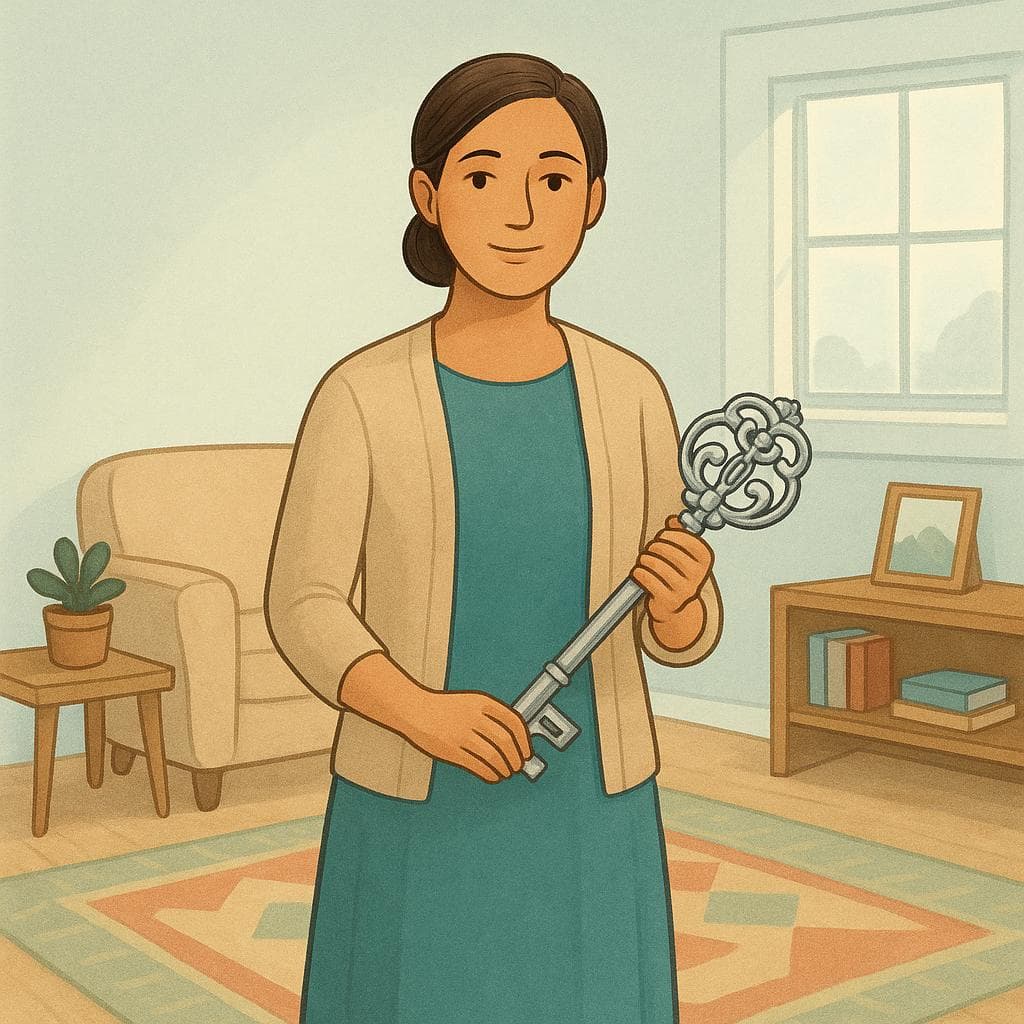
casera
kah-SEH-rahkaˈseɾa

Examples
La casera vino hoy a cobrar el alquiler.
The landlady came today to collect the rent.
Professional Titles
This noun is specifically for a female owner. For a male owner, you would say 'el casero'.
dueña
Examples
La dueña del apartamento nos dio las llaves.
The owner of the apartment gave us the keys.
ama
AH-mahˈa.ma
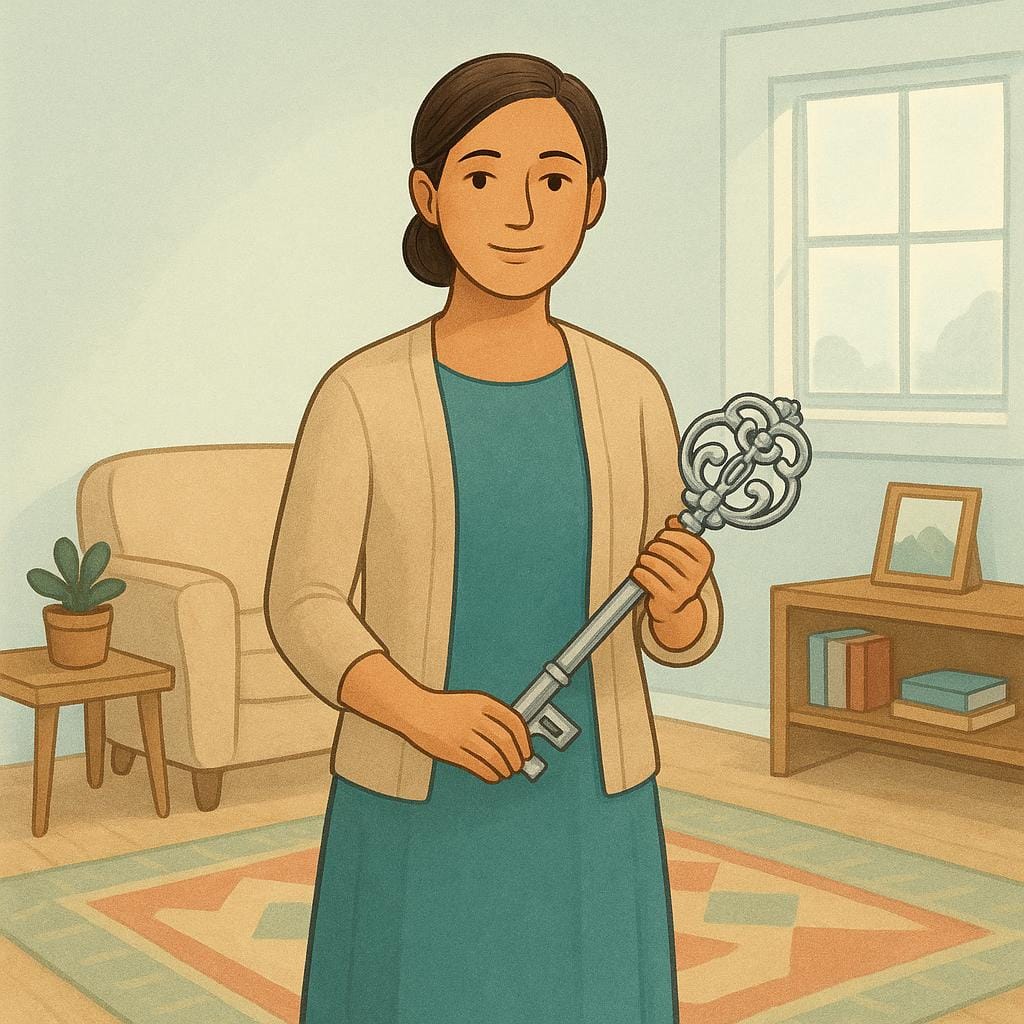
Examples
La ama de la pensión es muy amable.
The owner of the boarding house is very kind.
Mi madre es ama de casa y cuida de nosotros.
My mother is a housewife and takes care of us.
La joven trabajó como ama de llaves en la mansión.
The young woman worked as a housekeeper in the mansion.
Compound Nouns
'Ama' is most frequently seen today as the first part of a fixed phrase describing a specific job related to running a household or overseeing keys/children.
Confusing 'casera' with 'dueña'
Related Translations
Learn Spanish with Inklingo
Interactive stories, personalized learning, and more.