How to Say "ms." in Spanish
The most common Spanish word for “ms.” is “señora” — use this as a modern, neutral title before a woman's last name, similar to 'Mrs.' or 'Ms.' in English.
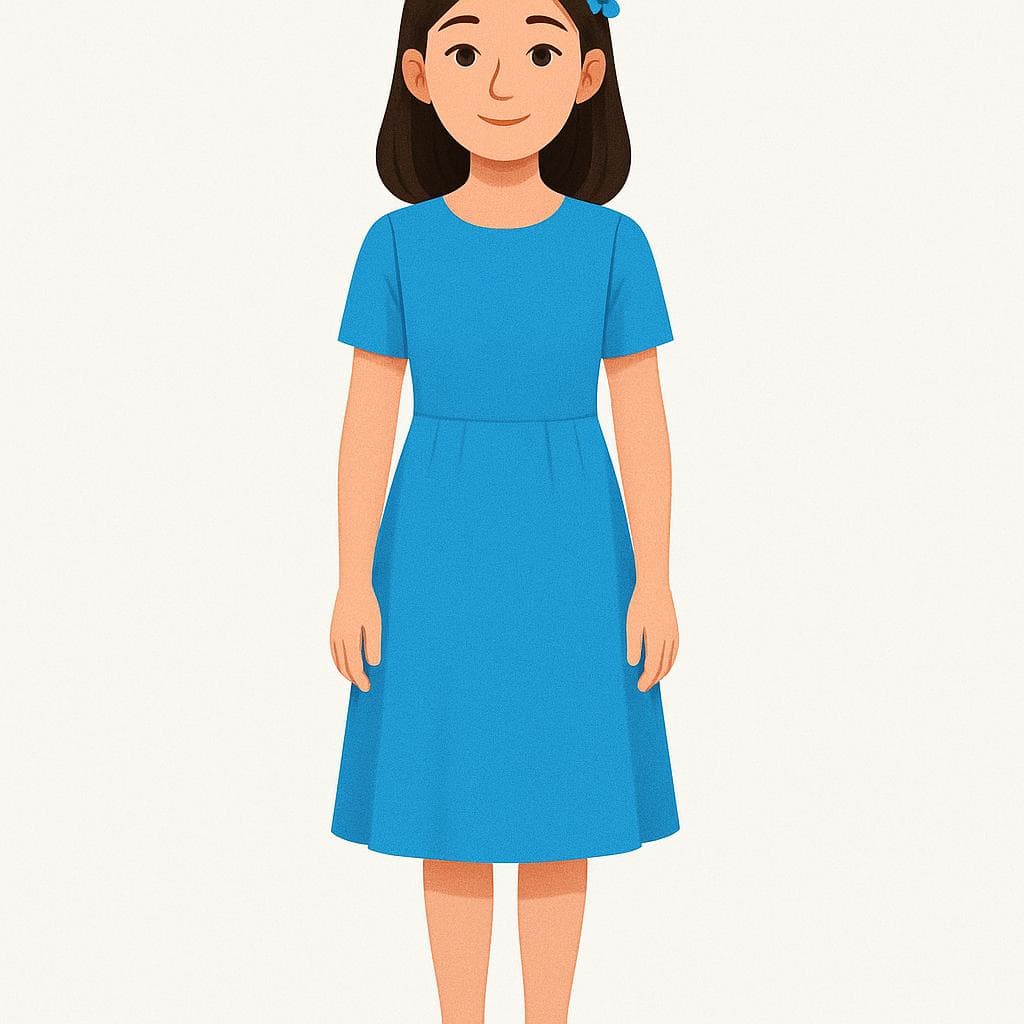
señora
Examples
Buenos días, señora López.
Good morning, Mrs. López.
sra.
Examples
La Sra. García es la directora del colegio.
Mrs. García is the school principal.
doña
Examples
Necesito hablar con Doña Isabel sobre el contrato.
I need to speak with Mrs. Isabel about the contract.
srta.
sseh-nyoh-REE-tah (The abbreviation is read as the full word, 'señorita')se.ɲoˈɾi.ta
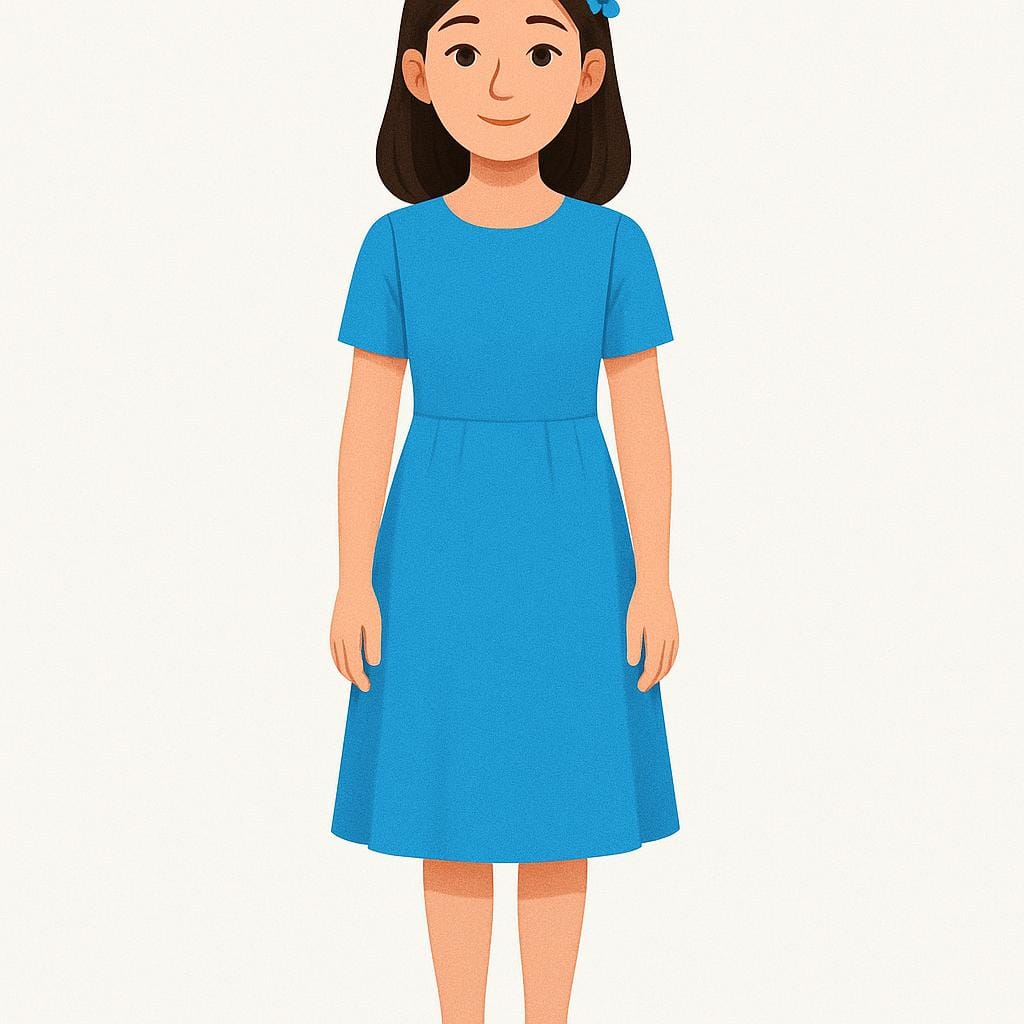
Examples
La carta está dirigida a la Srta. Pérez.
The letter is addressed to Miss Pérez.
La Srta. García tiene una cita a las tres.
Miss García has an appointment at three o'clock.
Estimada Srta. López, su paquete ha llegado.
Dear Ms. López, your package has arrived.
Necesito hablar con la Srta. Elena del departamento de ventas.
I need to speak with Miss Elena from the sales department.
Always Feminine
This title is exclusively used for women and girls. It is the abbreviated form of the full word 'señorita'.
Capitalization and Period
When used before a name, the abbreviation must be capitalized: 'Srta.' Standard written Spanish requires a period (.), but this is often omitted in digital text.
Confusing it with 'Señora'
Mistake: “Using 'Srta.' for an older woman you wish to address formally.”
Correction: Use 'Sra.' (Señora) as a general respectful title for any adult woman, regardless of marital status. This is the safest choice if you are unsure or if the context is highly professional.
srta
sseh-nyoh-REE-tah (The abbreviation is read as the full word, 'señorita')se.ɲoˈɾi.ta
Examples
La Srta. García tiene una cita a las tres.
Miss García has an appointment at three o'clock.
Estimada Srta. López, su paquete ha llegado.
Dear Ms. López, your package has arrived.
Necesito hablar con la Srta. Elena del departamento de ventas.
I need to speak with Miss Elena from the sales department.
Always Feminine
This title is exclusively used for women and girls. It is the abbreviated form of the full word 'señorita'.
Capitalization and Period
When used before a name, the abbreviation must be capitalized: 'Srta.' Standard written Spanish requires a period (.), but this is often omitted in digital text.
Confusing it with 'Señora'
Mistake: “Using 'Srta.' for an older woman you wish to address formally.”
Correction: Use 'Sra.' (Señora) as a general respectful title for any adult woman, regardless of marital status. This is the safest choice if you are unsure or if the context is highly professional.
Choosing between Sra. and Srta.
Learn Spanish with Inklingo
Interactive stories, personalized learning, and more.