How to Say "pairs" in Spanish
The most common Spanish word for “pairs” is “pares” — use 'pares' when referring to two items that are typically worn or used together as a set, such as socks, shoes, or gloves.

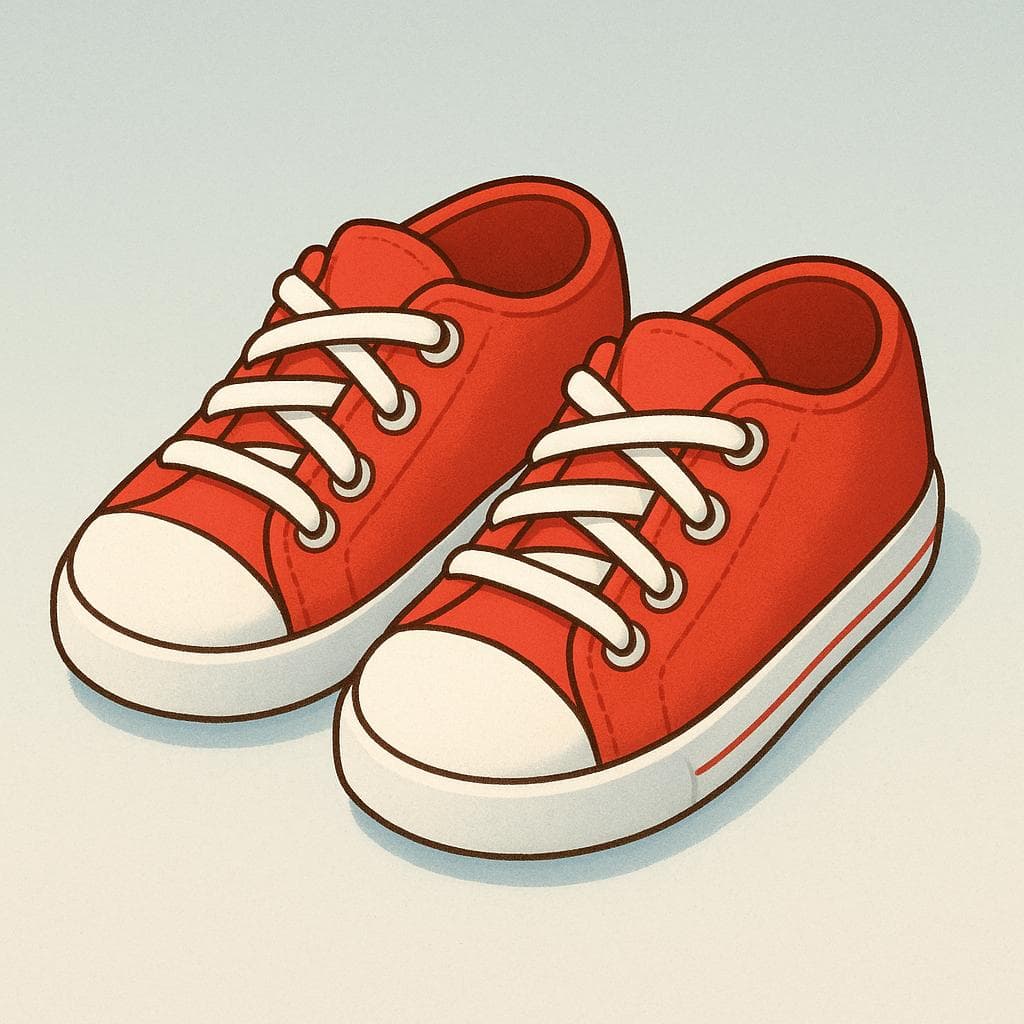
pares
PAH-rehsˈpa.ɾes

Examples
Necesito dos pares de calcetines nuevos.
I need two pairs of new socks.
En este juego, solo puedes mover las fichas con números pares.
In this game, you can only move the tokens with even numbers.
Las manzanas vinieron en pares, no teníamos que dividirlas.
The apples came in pairs; we didn't have to divide them.
Plural of 'Par'
This word is simply the plural form of the masculine noun 'par,' which means 'a pair' or 'an even number.'
parejas
pah-REH-haspaˈɾexas
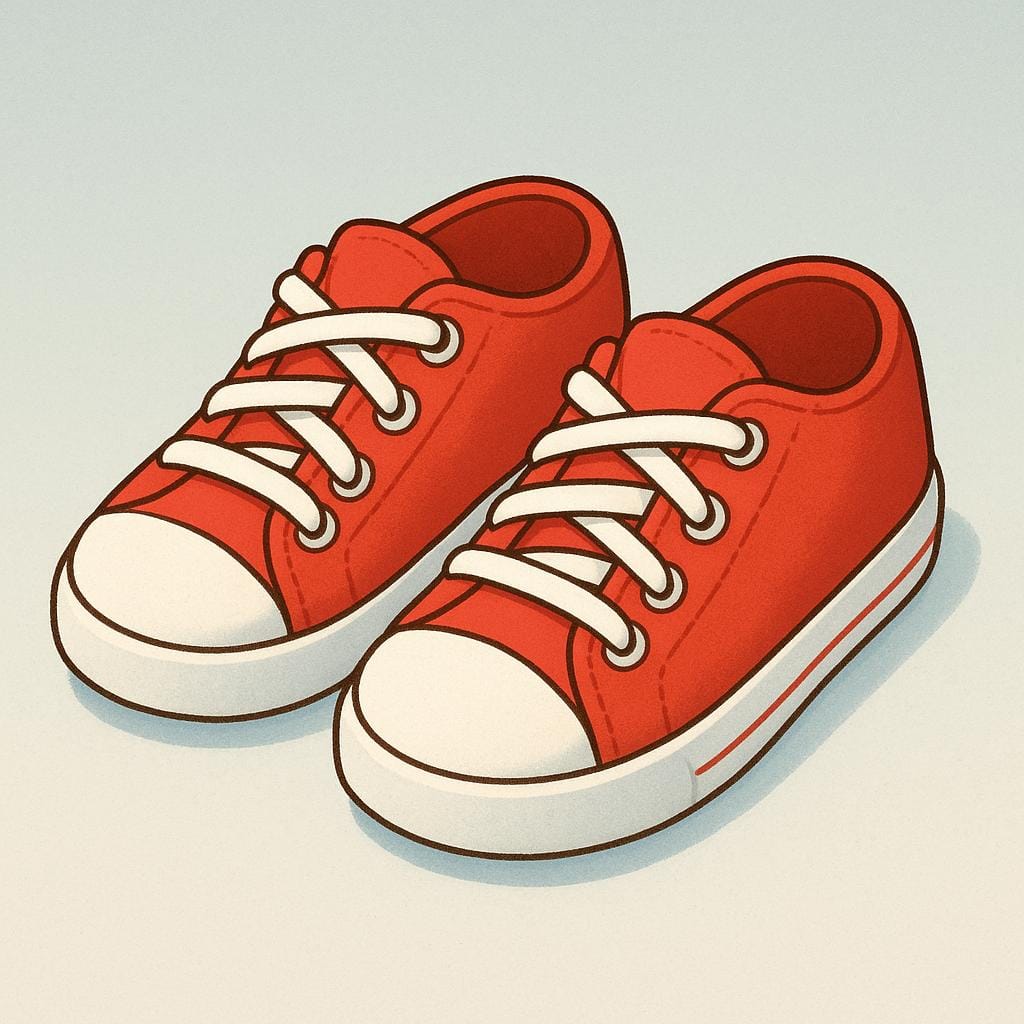
Examples
Necesito comprar dos parejas de pilas para el control remoto.
I need to buy two pairs of batteries for the remote control.
Perdí una de las parejas de calcetines.
I lost one of the pairs of socks.
Singular vs. Plural
Remember that 'pareja' (singular) means one pair or one couple. 'Parejas' (plural) means two or more pairs/couples.
Pares vs. Parejas for Clothing
Learn Spanish with Inklingo
Interactive stories, personalized learning, and more.