How to Say "glass" in Spanish
The most common Spanish word for “glass” is “vaso” — use 'vaso' when referring to a drinking container that does not have a stem, like a tumbler.


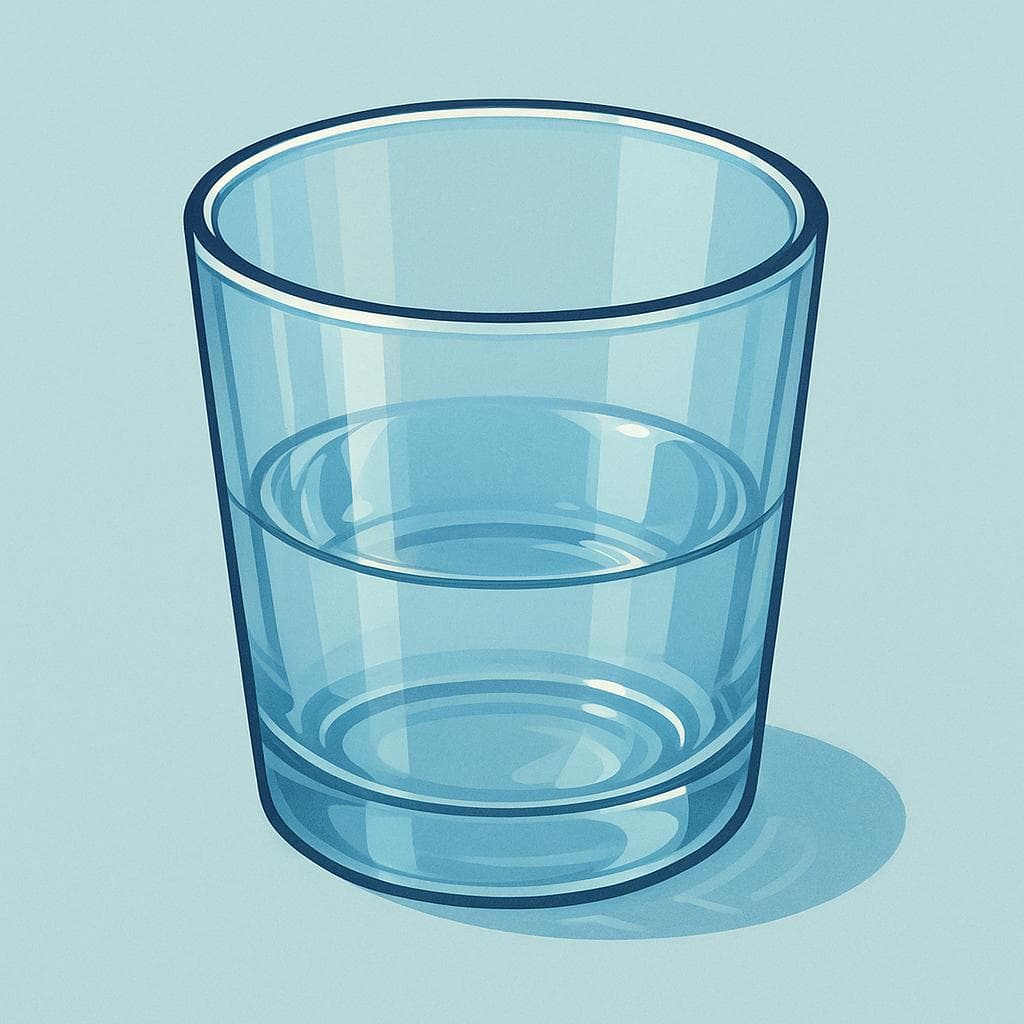
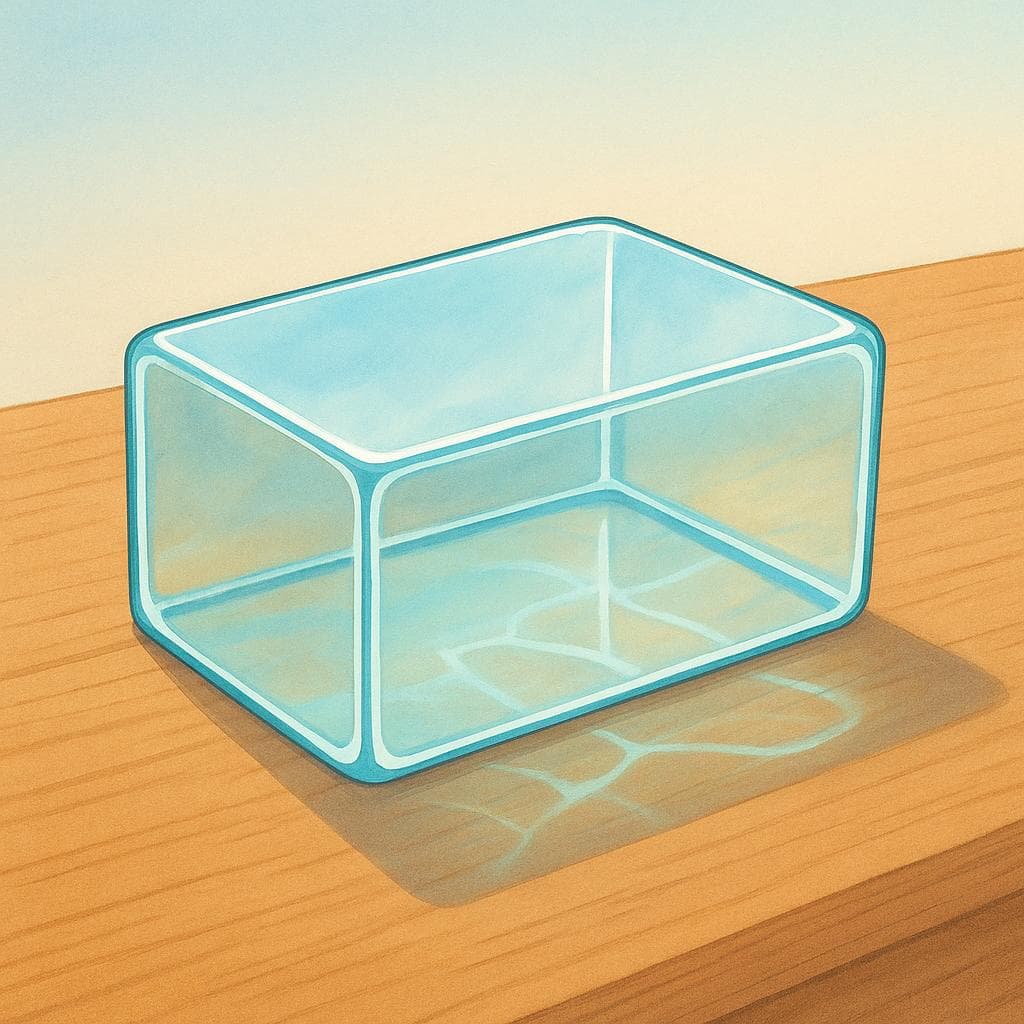
vaso
VAH-sohˈbaso

Examples
Necesito un vaso limpio para el jugo.
I need a clean glass for the juice.
¿Puedes poner los vasos en la mesa, por favor?
Can you put the glasses on the table, please?
It's Masculine
Remember that 'vaso' is a masculine word, so you always use 'el vaso' or 'un vaso'.
Vaso vs. Copa
Mistake: “Using 'vaso' for a wine glass.”
Correction: Use 'vaso' for a regular drinking glass (like for water or soda) and 'copa' for a stemmed glass (like for wine or champagne).
copa
KOH-pahˈko.pa

Examples
Por favor, sírveme agua en esta copa, no en el vaso.
Please serve me water in this stemmed glass, not in the regular tumbler.
Ella rompió una copa de cristal por accidente.
She accidentally broke a crystal glass.
Gender Check
Remember that 'copa' is always feminine, so you must use 'la copa' or 'una copa', even though it ends in 'a'.
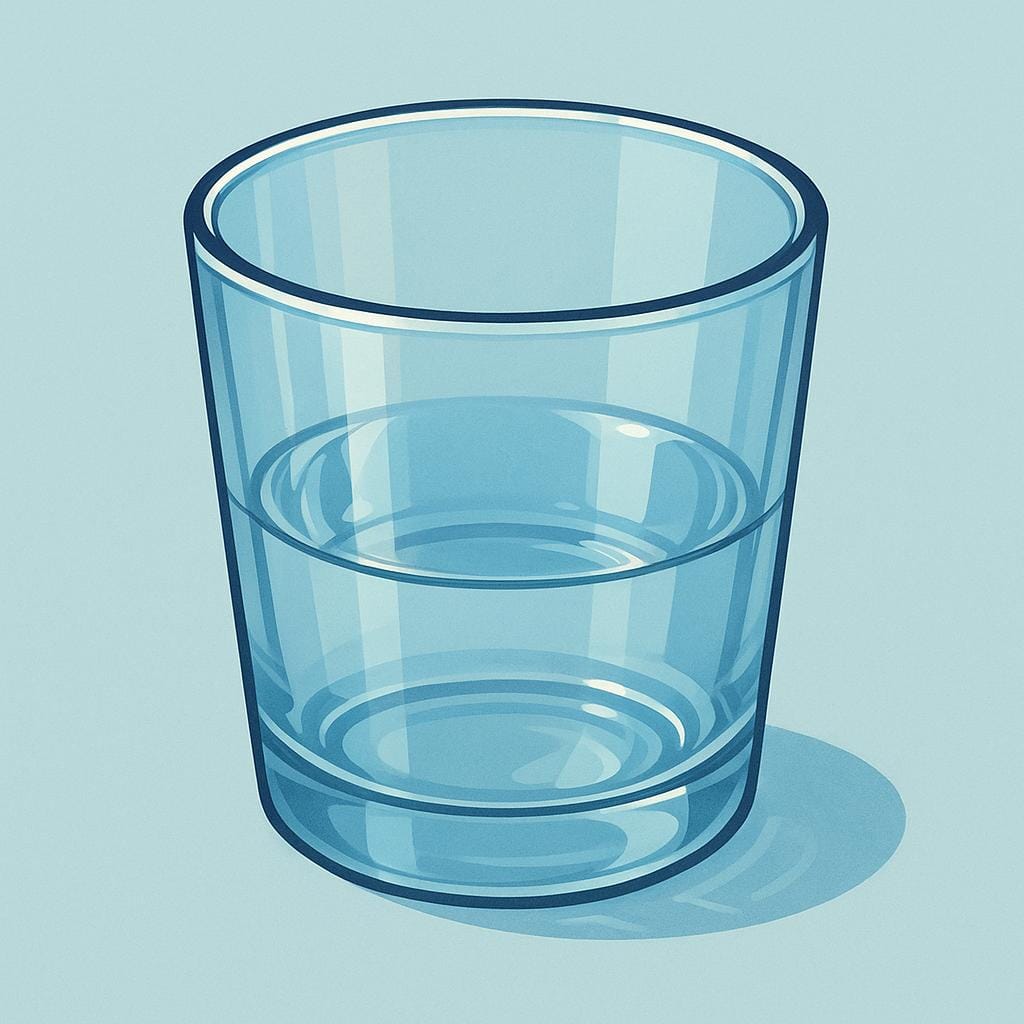
vidrio
VEE-dree-ohˈbiðɾjo
Examples
Esta mesa tiene una cubierta de vidrio.
This table has a glass top.
Recuerda tirar las botellas de vidrio al contenedor azul para reciclaje.
Remember to throw glass bottles into the blue recycling bin.
Ten cuidado con el vidrio roto en el suelo.
Be careful with the broken glass on the floor.
Use of 'De' for Materials
To say what something is made of, use 'de' (of/from). For example: 'un vaso de vidrio' (a glass cup) or 'una pared de madera' (a wooden wall).
Vidrio vs. Vaso
Mistake: “Using 'vidrio' when referring to a drinking cup.”
Correction: Use 'vaso' for the object you drink from ('a glass of water'). 'Vidrio' is the material it's made of (glass).
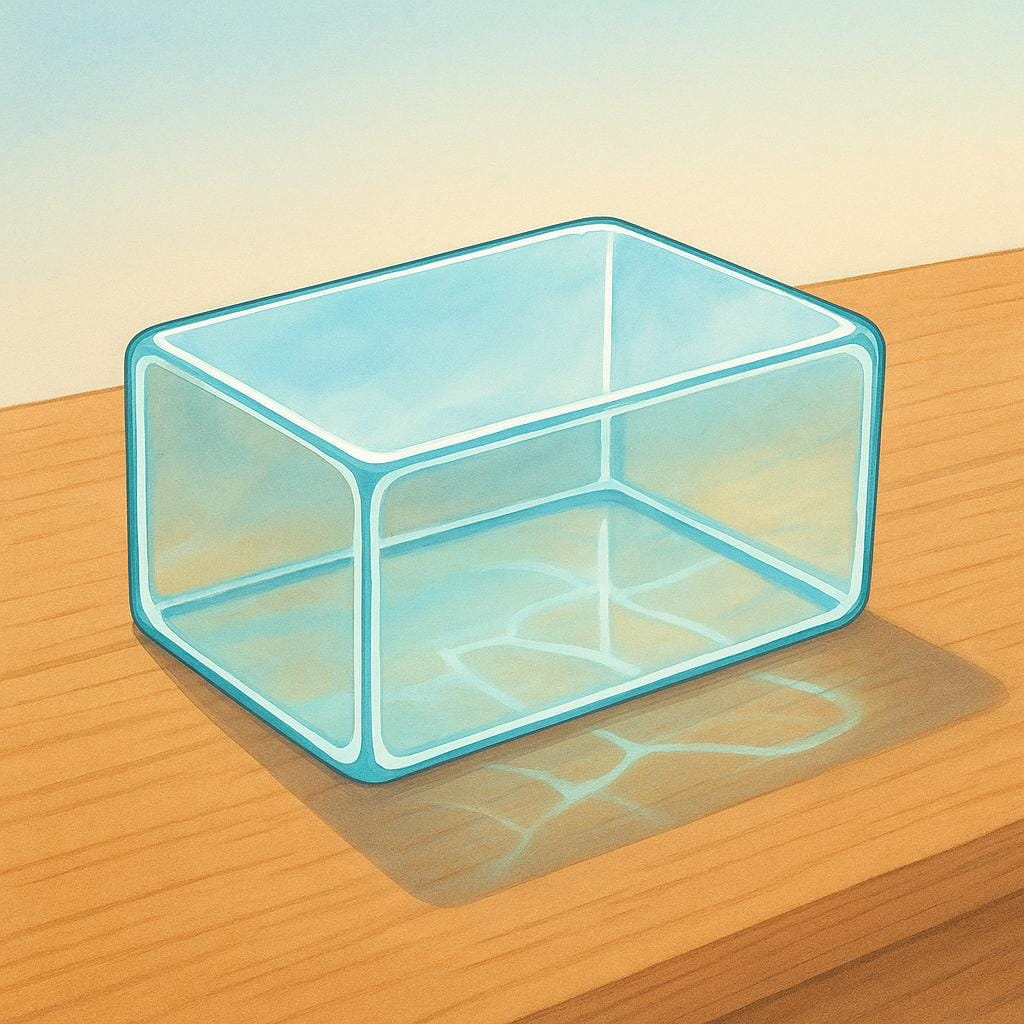
cristal
krees-TAHLkrisˈtal
Examples
Debes limpiar el cristal de la ventana, está sucio.
You should clean the window pane; it is dirty.
Esta mesa es de cristal templado, muy resistente.
This table is made of tempered glass, very resistant.
El cristal se fabrica calentando arena.
Glass is manufactured by heating sand.
Tiró una piedra y rompió el cristal de la puerta.
He threw a rock and broke the glass in the door.
Masculine Noun Rule
As a masculine word (noun), it always uses 'el' (the) or 'un' (a) before it: 'el cristal', 'un cristal'.
Using 'El' or 'La'
Remember that the word for the material, 'cristal', is masculine ('el cristal'), even though the word for the full window, 'ventana', is feminine ('la ventana').
Cristal vs. Vidrio
Mistake: “Using 'vidrio' when referring to high-quality or fine objects.”
Correction: While sometimes interchangeable, 'cristal' often implies higher quality, clarity, or elegance than 'vidrio'. Use 'cristal' for a wine glass and 'vidrio' for a jar.
Material vs. Vessel
Related Translations
Learn Spanish with Inklingo
Interactive stories, personalized learning, and more.