How to Say "goddess" in Spanish
The most common Spanish word for “goddess” is “diosa” — use 'diosa' when referring to a goddess in general, especially in mythological or religious contexts, like deities from Greek, Roman, or other pantheons.
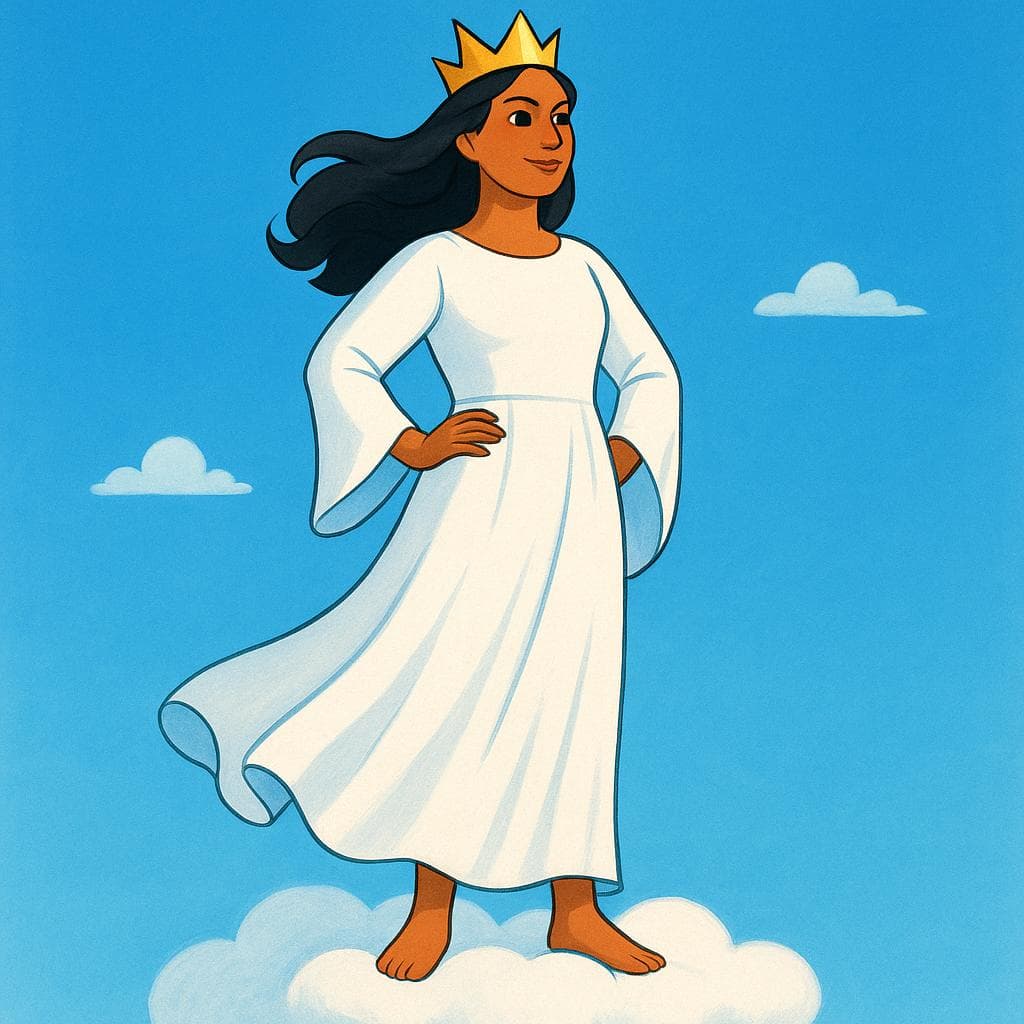
Use 'diosa' when referring to a goddess in general, especially in mythological or religious contexts, like deities from Greek, Roman, or other pantheons.
Learn more →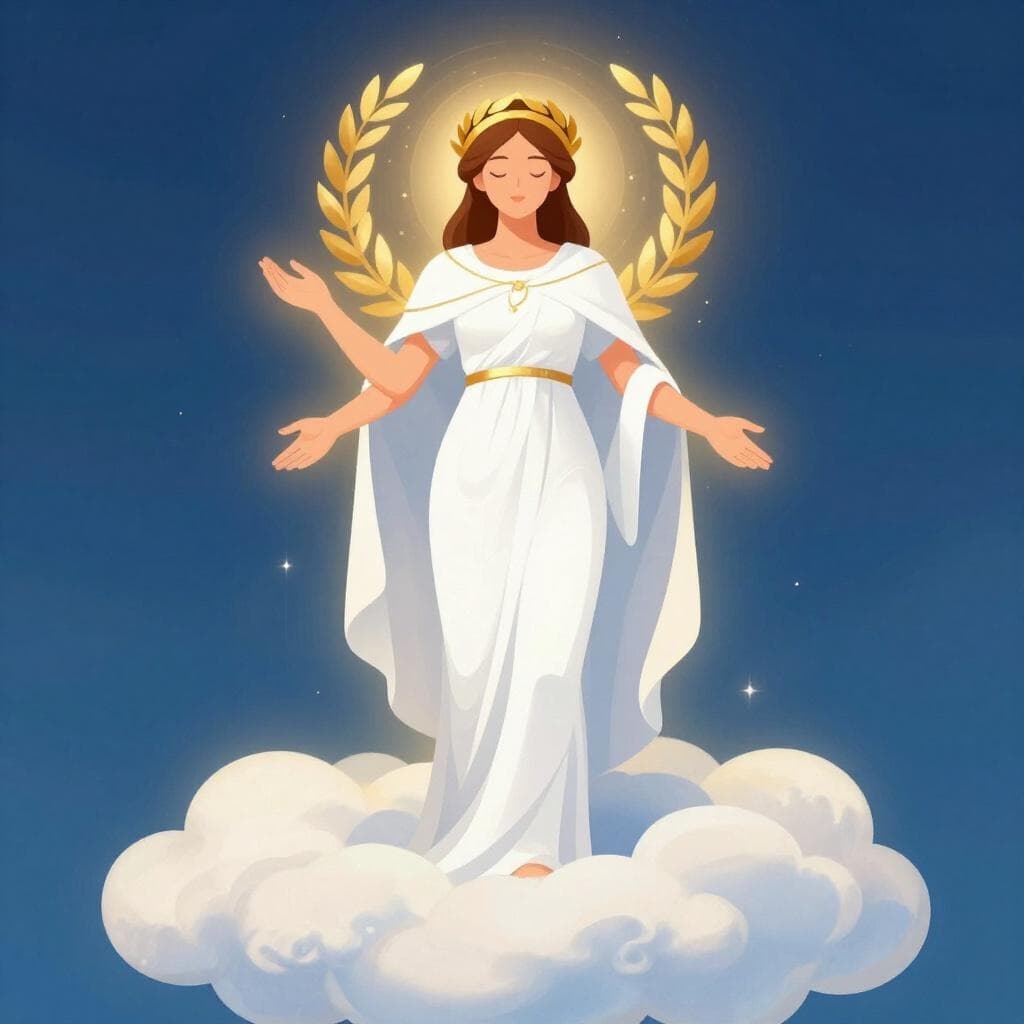
Use 'dea' primarily in literary or historical contexts when referring to a goddess, particularly from ancient classical civilizations, giving the word a more elevated or poetic feel.
Learn more →dee-OH-sahˈdjo.sa
Examples
Afrodita es la diosa del amor y la belleza en la mitología griega.
Aphrodite is the goddess of love and beauty in Greek mythology.
En la mitología romana, Diana era la diosa de la caza.
In Roman mythology, Diana was the goddess of the hunt.
Los antiguos egipcios adoraban a muchas diosas y dioses.
The ancient Egyptians worshipped many goddesses and gods.
Feminine Form
Since 'diosa' ends in '-a' and refers to a female being, it is always a feminine noun and requires feminine articles (like 'la' or 'una').
DEH-ahˈde.a
Examples
Los antiguos romanos honraban a la dea de la fortuna.
The ancient Romans honored the goddess of fortune.
La dea de la sabiduría era venerada en los templos antiguos.
The goddess of wisdom was worshiped in ancient temples.
El poeta dedicó sus versos a la dea de la luna.
The poet dedicated his verses to the goddess of the moon.
En los relatos clásicos, la dea intervenía en los asuntos de los mortales.
In classical stories, the goddess intervened in the affairs of mortals.
A Word from the Past
This word is the feminine form of 'deus' (god), but both are now replaced in everyday Spanish by 'dios' and 'diosa'.
Matching the Ending
Because it ends in 'a' and refers to a female, it always uses feminine markers like 'la' or 'una'.
Don't use this at the grocery store!
Mistake: “Using 'dea' to talk about a goddess in conversation.”
Correction: Use 'diosa' instead. 'Dea' will sound very strange or like you are reciting a 16th-century poem.
Choosing Between 'Diosa' and 'Dea'
Learners often confuse 'diosa' and 'dea' because both mean 'goddess'. The most common mistake is using the less common 'dea' in everyday conversations or general discussions about mythology, when 'diosa' is the standard and expected term.
Related Translations
Learn Spanish with Inklingo
Interactive stories, personalized learning, and more.