How to Say "i thought" in Spanish
The most common Spanish word for “i thought” is “pensé” — use 'pensé' to express a past reflection, opinion, or belief that you held. It implies a mental process of considering something.
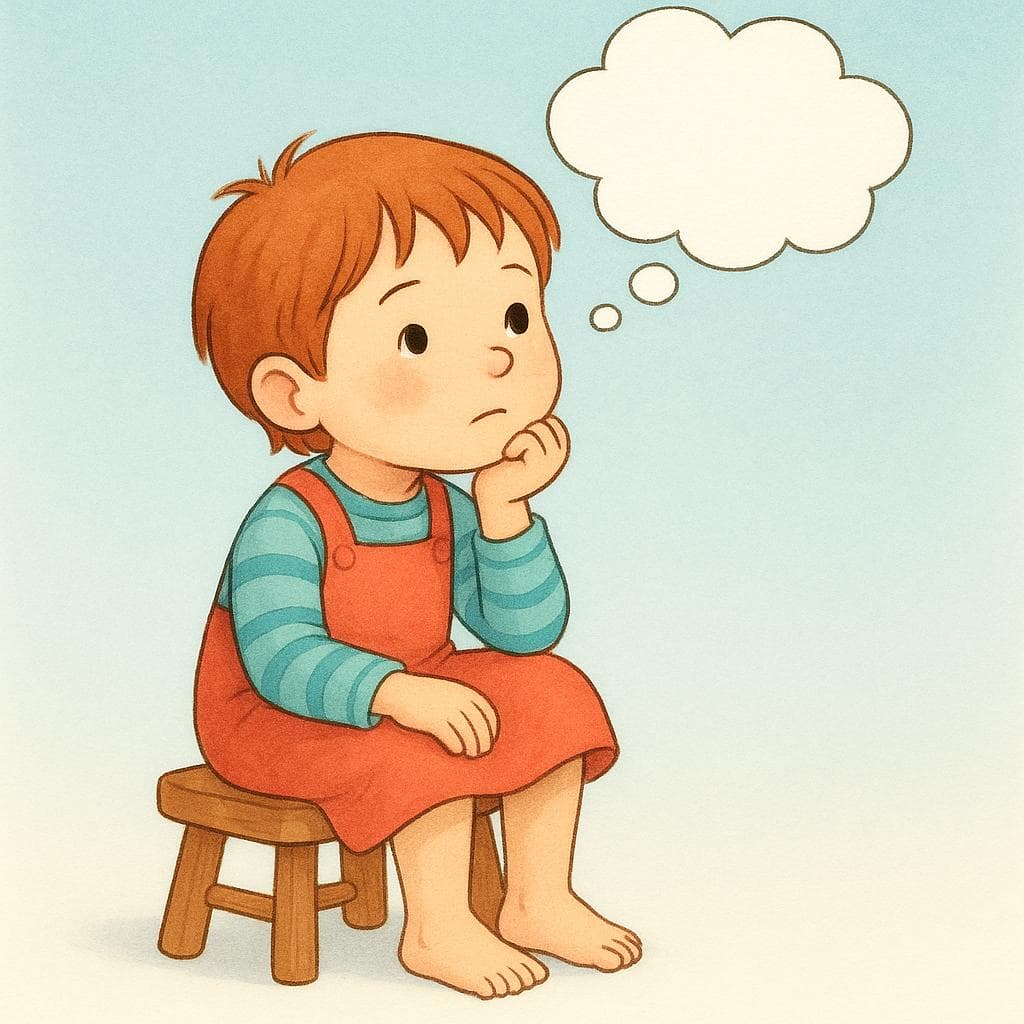
Use 'pensé' to express a past reflection, opinion, or belief that you held. It implies a mental process of considering something.
Learn more →Use 'creí' to indicate a past belief, assumption, or something you held to be true, often without strong evidence.
Learn more →Use 'encontré' when you want to express the result of your judgment or opinion about something you experienced or perceived.
Learn more →pen-SEHˈpen.se
Examples
Pensé que la película sería más interesante.
I thought the movie would be more interesting.
Pense que la película era más corta. (Common spelling mistake for Pensé)
I thought the movie was shorter.
No pense en las consecuencias de mis acciones. (Common spelling mistake for Pensé)
I didn't think about the consequences of my actions.
Dudo que yo piense lo mismo que tú. (Note: The correct subjunctive form is 'piense', not 'pense')
I doubt that I think the same thing as you.
Stem Change Reminder
The base verb 'pensar' changes its vowel from 'e' to 'ie' in most of the present tense forms (like 'pienso'), but it returns to 'e' in the past tenses (like 'pensé').
Thinking About Things
When you mean 'to think about' a topic or person, you must use the preposition 'en': 'Pensé en mi familia' (I thought about my family).
Missing Accent Mark
Mistake: “Using 'pense' when you mean 'I thought'.”
Correction: The correct past tense form is 'pensé' (with an accent over the 'e'). Without the accent, 'pense' is either a typo or refers to an obsolete form. The accent tells you the stress is on the last syllable, which is necessary for past tense.
Confusing Past and Subjunctive
Mistake: “Using 'pense' when you need the present subjunctive 'piense'.”
Correction: When expressing doubt or emotion ('Dudo que yo...'), the correct form is the stem-changed subjunctive 'piense'. The form 'pense' is actually the 'we' form of the subjunctive ('pensemos') without the 'mos'.
creí
Examples
Creí que ya habías terminado.
I thought you had already finished.
encontré
Examples
Encontré el examen bastante difícil.
I found the exam quite difficult.
Pensé vs. Creí
Learners often confuse 'pensé' and 'creí'. Remember that 'pensé' implies a mental process or opinion, while 'creí' suggests a belief or assumption that something was true. If you're reflecting on a mental process, use 'pensé'; if you're stating a past belief, 'creí' is usually better.
Related Translations
Learn Spanish with Inklingo
Interactive stories, personalized learning, and more.