How to Say "increases" in Spanish
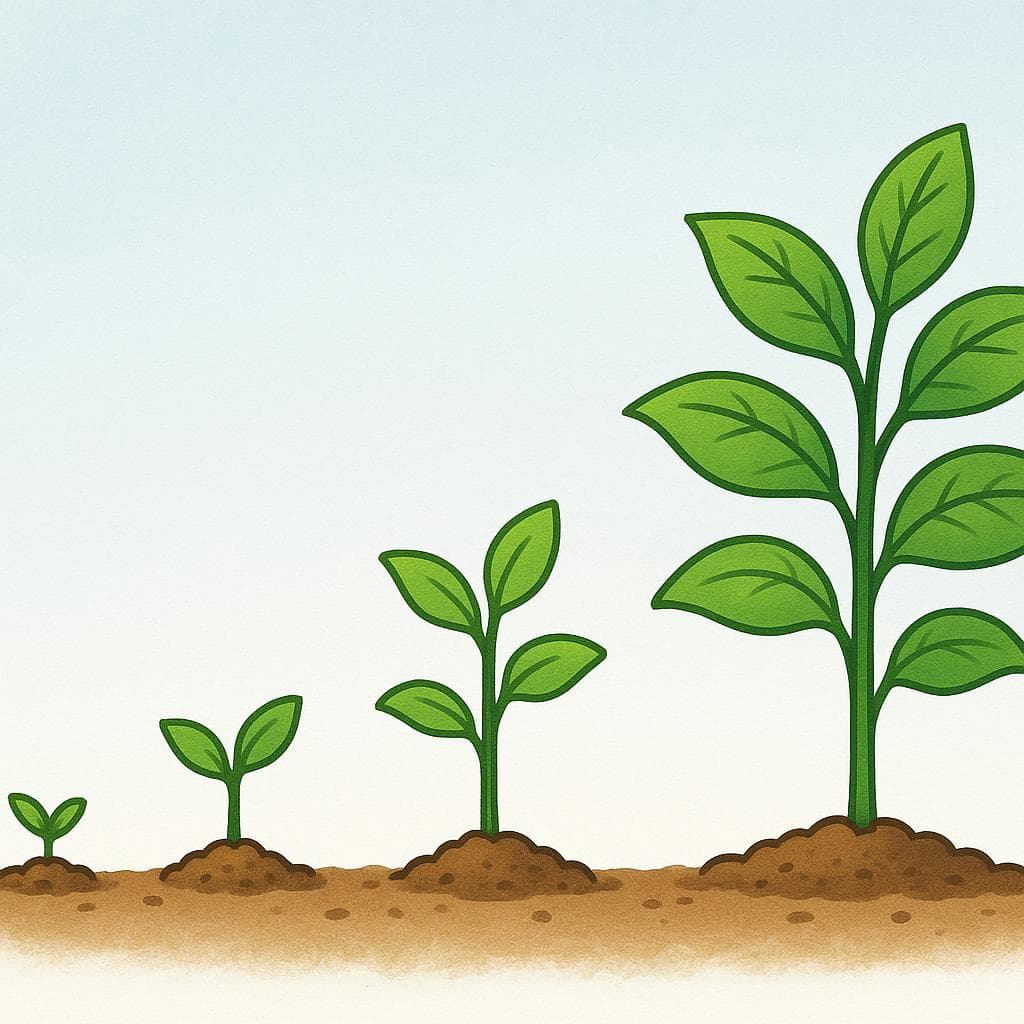
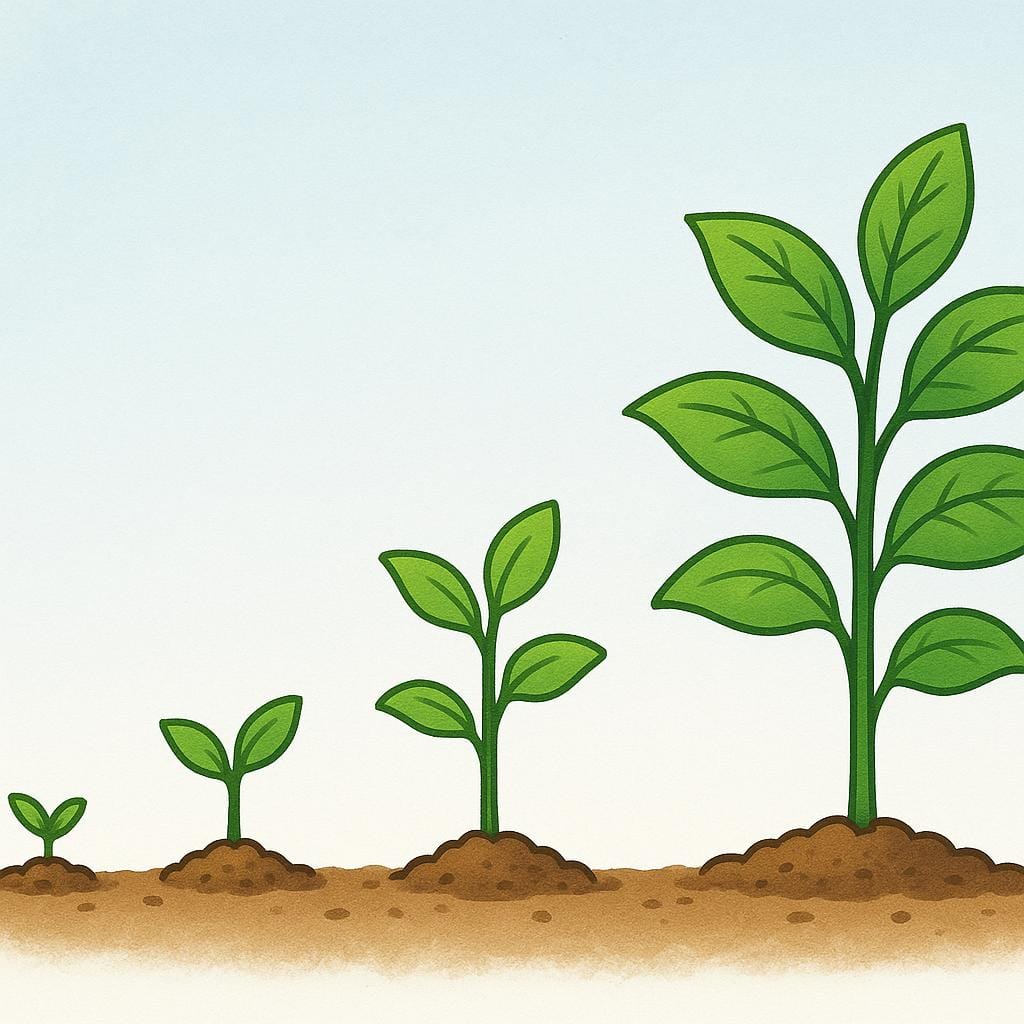
The most common Spanish word for “increases” is “aumenta” — use 'aumenta' when something grows in size, number, or value in a general sense, like quantities or amounts.


aumenta
ow-MEN-tahawˈmenta
Examples
El número de estudiantes aumenta cada año.
The number of students increases every year.
El precio de la gasolina aumenta cada mes.
The price of gasoline increases every month.
¡Aumenta la velocidad!
Increase the speed!
Esta lupa aumenta mucho la letra.
This magnifying glass enlarges the text a lot.
Two roles for one word
'Aumenta' can be used to say 'he/she/it increases' OR as a command to tell someone 'Increase!' (like 'Aumenta la velocidad').
Talking about the present
Use this form when you are talking about a general fact or something happening right now with a single person or thing.
Aumenta vs. Aumento
Mistake: “Using 'aumenta' when you mean 'a raise' or 'an increase'.”
Correction: Use 'aumenta' for the action (the verb) and 'un aumento' for the thing (the noun). Say 'El precio aumenta' but 'Recibí un aumento'.
sube
soo-behˈsu.βe

Examples
La temperatura sube en verano.
The temperature increases in summer.
Cada año, el coste de vida sube mucho.
Every year, the cost of living increases a lot.
Si hace frío, la calefacción sube la temperatura.
If it's cold, the heating raises the temperature.
¡Sube la música! Esta canción es genial.
Turn up the music! This song is great.
Use with Direct Object
When 'sube' means 'raises' or 'turns up,' it takes a direct object: 'Sube el volumen' (Turn up the volume). The volume is receiving the action.
Using 'Aumentar' for Volume
Mistake: “Saying 'Aumenta el volumen' (while technically correct).”
Correction: 'Sube el volumen' is much more natural and common when talking about sound or light intensity.
crece
KREH-sehˈkɾe.se

Examples
La economía del país crece lentamente.
The country's economy increases slowly.
La demanda de energía solar crece cada año.
The demand for solar energy increases every year.
Cuando llueve mucho, el río crece y puede inundar la zona.
When it rains a lot, the river rises and can flood the area.
El negocio crece lentamente, pero de forma constante.
The business expands slowly, but steadily.
Used for Statistics
In Spanish, 'crecer' is often used where English might use 'increase' or 'go up,' particularly when talking about population, markets, or abstract concepts.
General vs. Specific Increases
Related Translations
Learn Spanish with Inklingo
Interactive stories, personalized learning, and more.