How to Say "light-colored" in Spanish
The most common Spanish word for “light-colored” is “claros” — use 'claros' when referring to light shades of colors in general, such as light blue, light green, or light gray.


claros
KLAH-rohsˈkla.ɾos

Examples
Prefiero las paredes con colores claros.
I prefer the walls with light colors.
Los colores claros me gustan más para la sala.
I like light colors better for the living room.
Tus puntos son muy claros.
Your points are very clear.
Hoy tendremos cielos claros todo el día.
Today we will have clear skies all day.
Matching the Group
Use 'claros' when you are describing more than one thing, and those things are either all masculine or a mix of masculine and feminine.
Color Confusion
Mistake: “azules claro”
Correction: azules claros
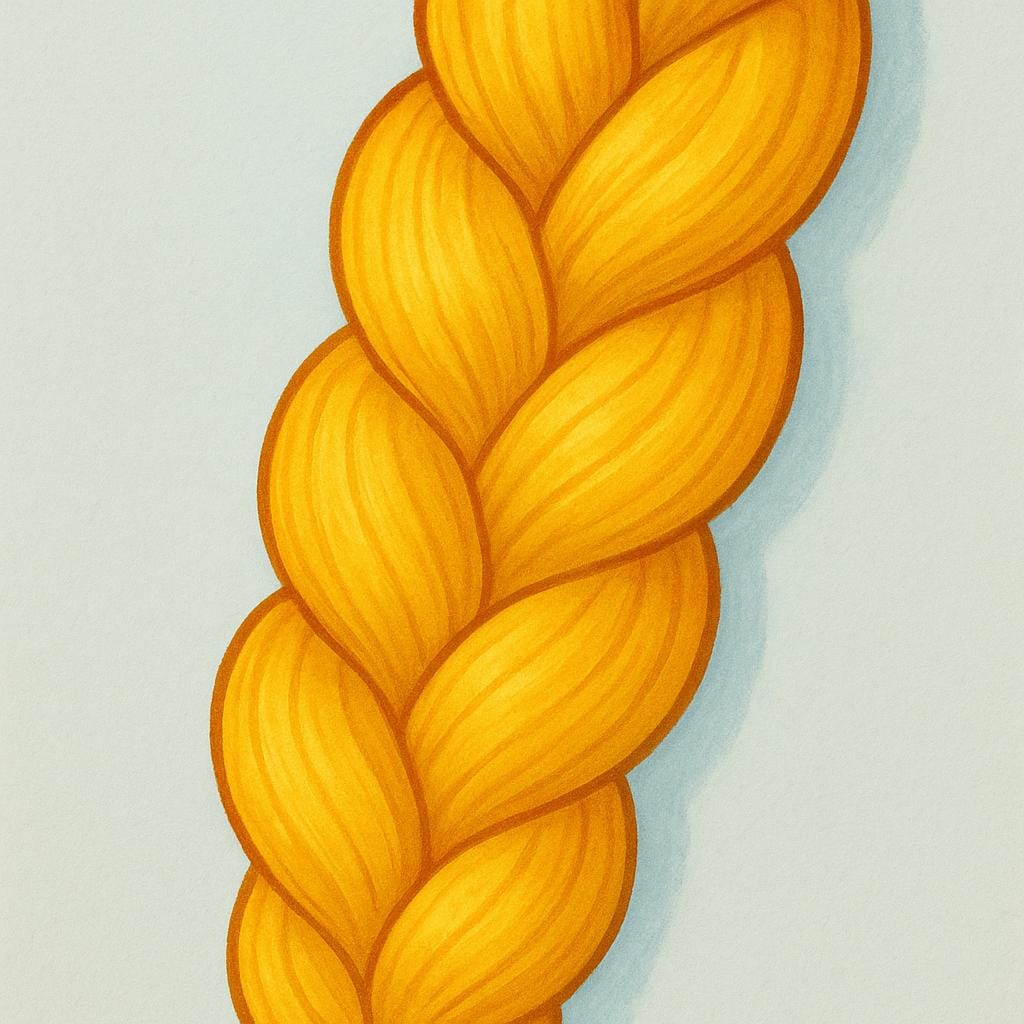
rubio
ROO-beeoh'ru.βjo
Examples
Mi tío tiene el pelo rubio.
My uncle has blond hair.
Mi hermana es pelirroja, pero mi hermano es rubio.
My sister is red-haired, but my brother is blond.
Necesitas crema solar si tienes la piel rubia.
You need sunblock if you have fair skin.
Compró un tinte para el pelo de color rubio ceniza.
She bought an ash blond hair dye.
Changing for Gender
As an adjective, 'rubio' must match the gender of the person or thing it describes. Use 'rubia' when describing a female person or a feminine noun (e.g., 'la camisa rubia').
Forgetting Gender Agreement
Mistake: “Mi amiga es rubio.”
Correction: Mi amiga es rubia. (The adjective must end in -a because 'amiga' is feminine.)
Don't use 'rubio' for general colors
Related Translations
Learn Spanish with Inklingo
Interactive stories, personalized learning, and more.