How to Say "luggage" in Spanish
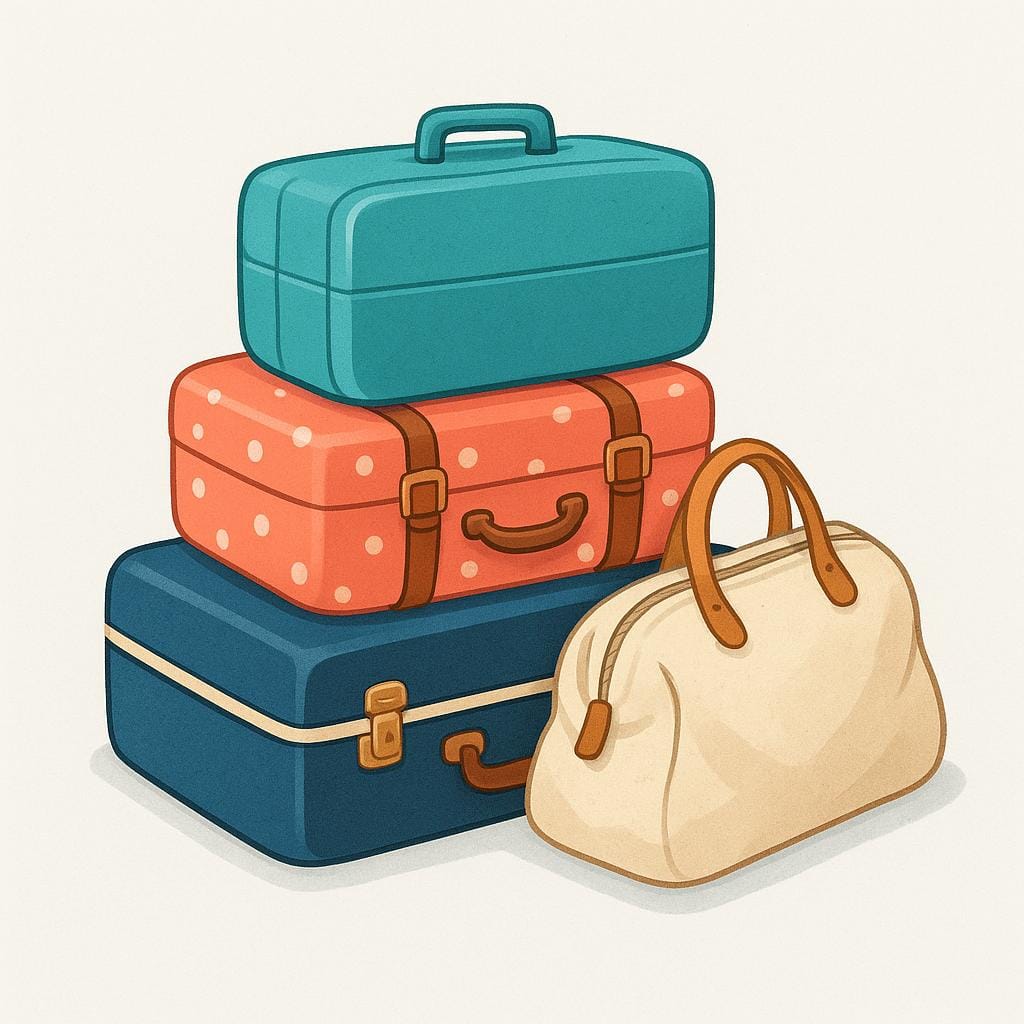
The most common Spanish word for “luggage” is “equipaje” — use 'equipaje' when referring to the collective group of suitcases, bags, and other travel items you are taking with you.
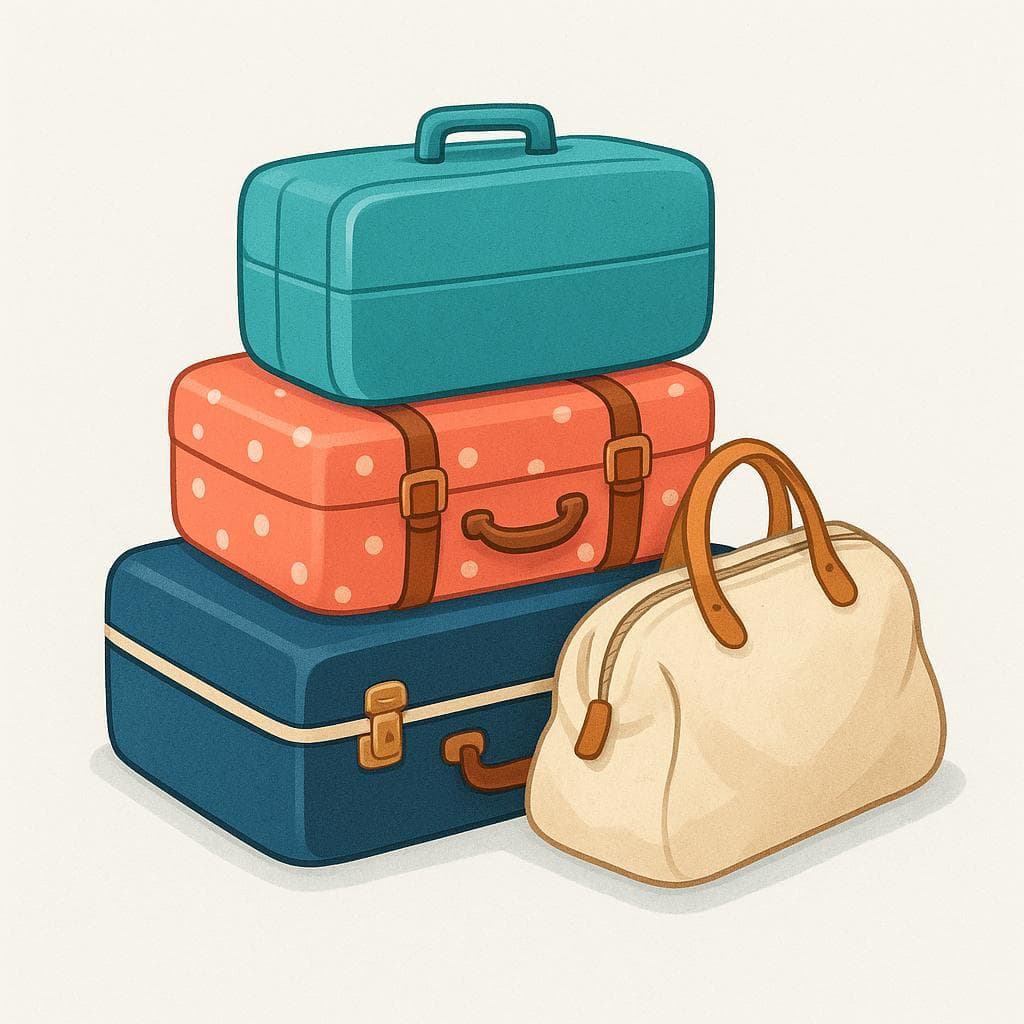
Use 'equipaje' when referring to the collective group of suitcases, bags, and other travel items you are taking with you.
Learn more →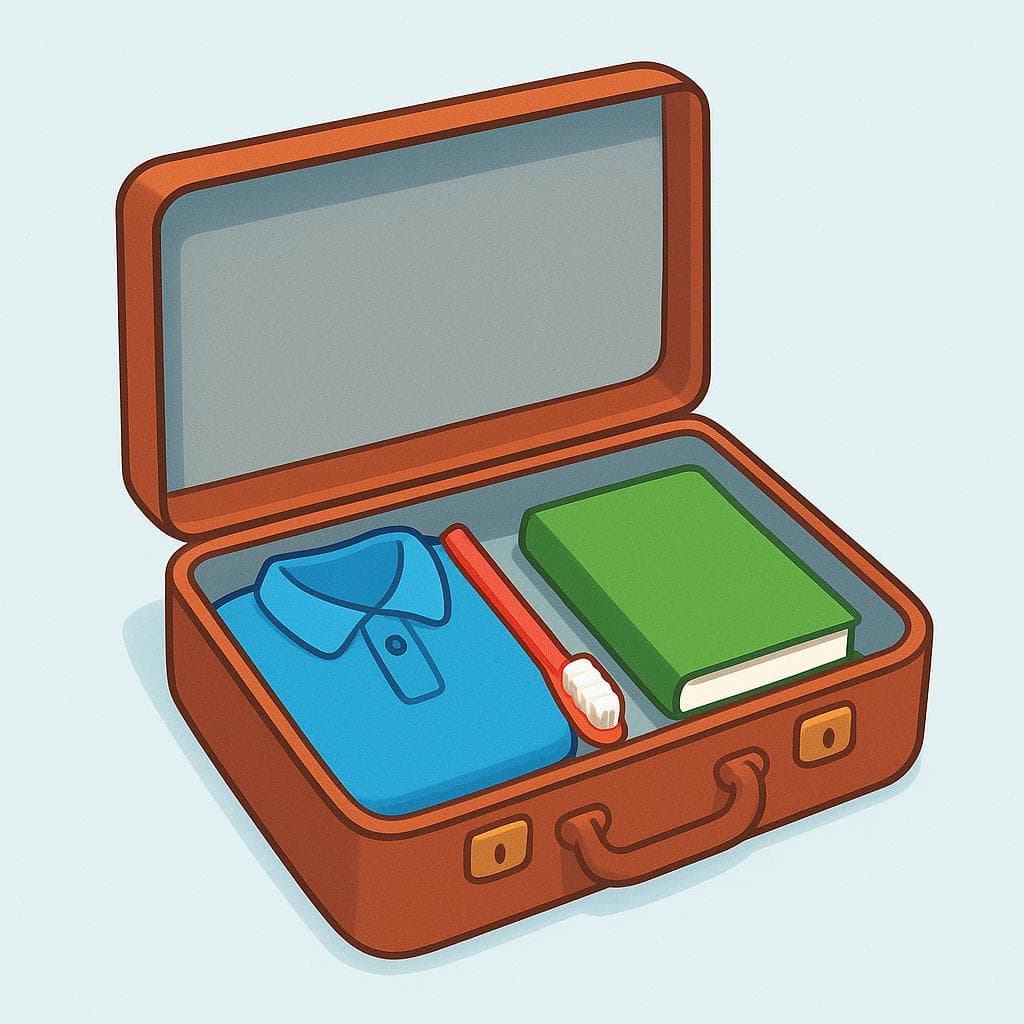
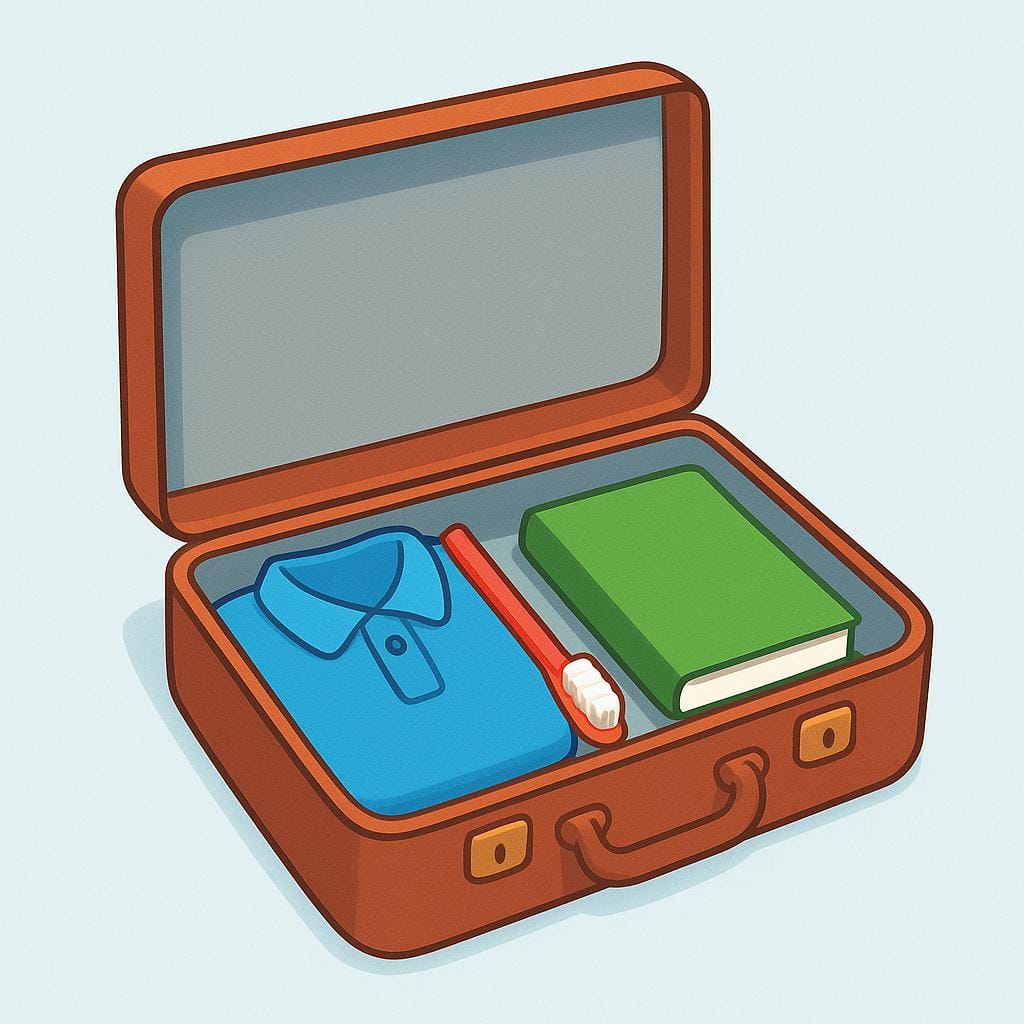
Use 'efectos' specifically for personal belongings, often in a context of ensuring you haven't left anything behind, like after a trip or event.
Learn more →eh-kee-PAH-hehekiˈpahe
Examples
Mi equipaje es muy pesado.
My luggage is very heavy.
Necesito facturar mi equipaje antes de abordar.
I need to check my luggage before boarding.
¿Dónde está la cinta de equipaje número tres?
Where is baggage carousel number three?
Este equipaje de mano es demasiado grande para el compartimento.
This carry-on luggage is too big for the compartment.
Always Singular
Even if you are talking about multiple suitcases, 'equipaje' is an uncountable noun in Spanish, meaning it is always singular. Think of it like the English word 'furniture'.
Masculine Noun
Remember to always use the masculine article 'el' and masculine adjectives with it, for example, 'el equipaje ligero' (the light luggage).
Using the Plural
Mistake: “Tengo muchos equipajes.”
Correction: Tengo mucho equipaje. (You have 'much luggage,' not 'many luggages.')
eh-FEK-tohseˈfektos
Examples
No olvide recoger todos sus efectos personales.
Don't forget to collect all your personal belongings.
Asegúrese de recoger todos sus efectos personales antes de salir del avión.
Make sure to collect all your personal belongings before leaving the plane.
La policía incautó sus efectos a la espera del juicio.
The police seized his goods pending trial.
Use with 'Personales'
This meaning is almost always used with the adjective 'personales' to clarify you are talking about items, not consequences.
Equipaje vs. Efectos
Learners often confuse 'equipaje' and 'efectos' because both can relate to items. Remember that 'equipaje' is the general term for your packed bags, while 'efectos' refers more to personal items you might leave behind or carry individually.
Related Translations
Learn Spanish with Inklingo
Interactive stories, personalized learning, and more.