How to Say "goods" in Spanish
The most common Spanish word for “goods” is “producto” — use 'producto' when referring to a specific item that is for sale or manufactured, like a consumer good.




producto
proh-DOOK-tohpɾoˈðukto

Examples
Necesito comprar un producto para limpiar el suelo.
I need to buy a product to clean the floor.
Este es el producto estrella de nuestra compañía.
This is the star product of our company.
Los productos frescos se encuentran en el pasillo tres.
The fresh produce is in aisle three.
Always Masculine
Even though many Spanish words ending in '-a' are feminine, 'producto' is always masculine. Use 'el producto' or 'un producto'.
mercancía
Examples
La tienda recibió un nuevo envío de mercancía esta mañana.
The store received a new shipment of merchandise this morning.
artículos
Examples
Todos los artículos de la tienda están en oferta.
All the items in the store are on sale.
bienes
bee-EH-nessˈbjenes

Examples
Todos sus bienes fueron repartidos entre sus hijos.
All his goods (assets) were divided among his children.
La empresa debe declarar sus bienes anualmente.
The company must declare its assets annually.
Solo llevaba unos pocos bienes personales en la maleta.
He only carried a few personal possessions in the suitcase.
Always Plural for 'Assets'
Even though the singular 'bien' means 'goodness' or 'well,' when you talk about physical or financial assets, you almost always use the plural form, 'bienes'.
Confusing Bien and Bienes
Mistake: “Using 'tengo mucho bien' to mean 'I have a lot of stuff.'”
Correction: Use 'tengo muchos bienes' or 'tengo muchas cosas.' 'Bien' usually means 'well' (adverb) or 'the good' (abstract concept).
efectos
eh-FEK-tohseˈfektos

Examples
Asegúrese de recoger todos sus efectos personales antes de salir del avión.
Make sure to collect all your personal belongings before leaving the plane.
La policía incautó sus efectos a la espera del juicio.
The police seized his goods pending trial.
Use with 'Personales'
This meaning is almost always used with the adjective 'personales' to clarify you are talking about items, not consequences.
género
Examples
El comerciante recibió ayer el nuevo género.
The merchant received the new goods yesterday.
especie
es-PEH-syehesˈpe.sje
Examples
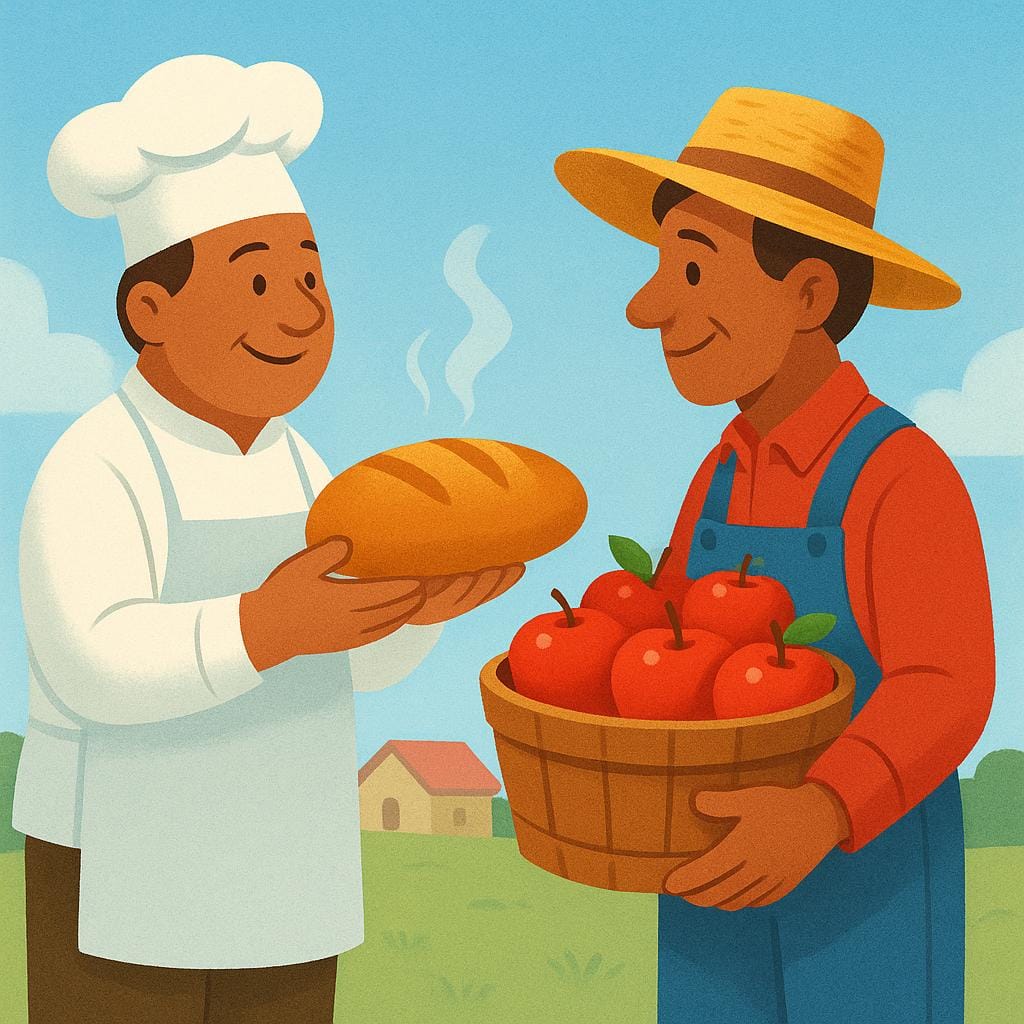
El granjero pagó a sus trabajadores en especie, dándoles comida y un lugar para vivir.
The farmer paid his workers in kind, giving them food and a place to live.
Parte de mi salario lo recibo en especie, como el coche de la empresa.
I receive part of my salary in kind, such as the company car.
Distinguishing Merchandise from Possessions
Related Translations
Learn Spanish with Inklingo
Interactive stories, personalized learning, and more.