How to Say "kind" in Spanish
The most common Spanish word for “kind” is “amable” — use this word to describe a person's pleasant and friendly character or their kind actions towards others.




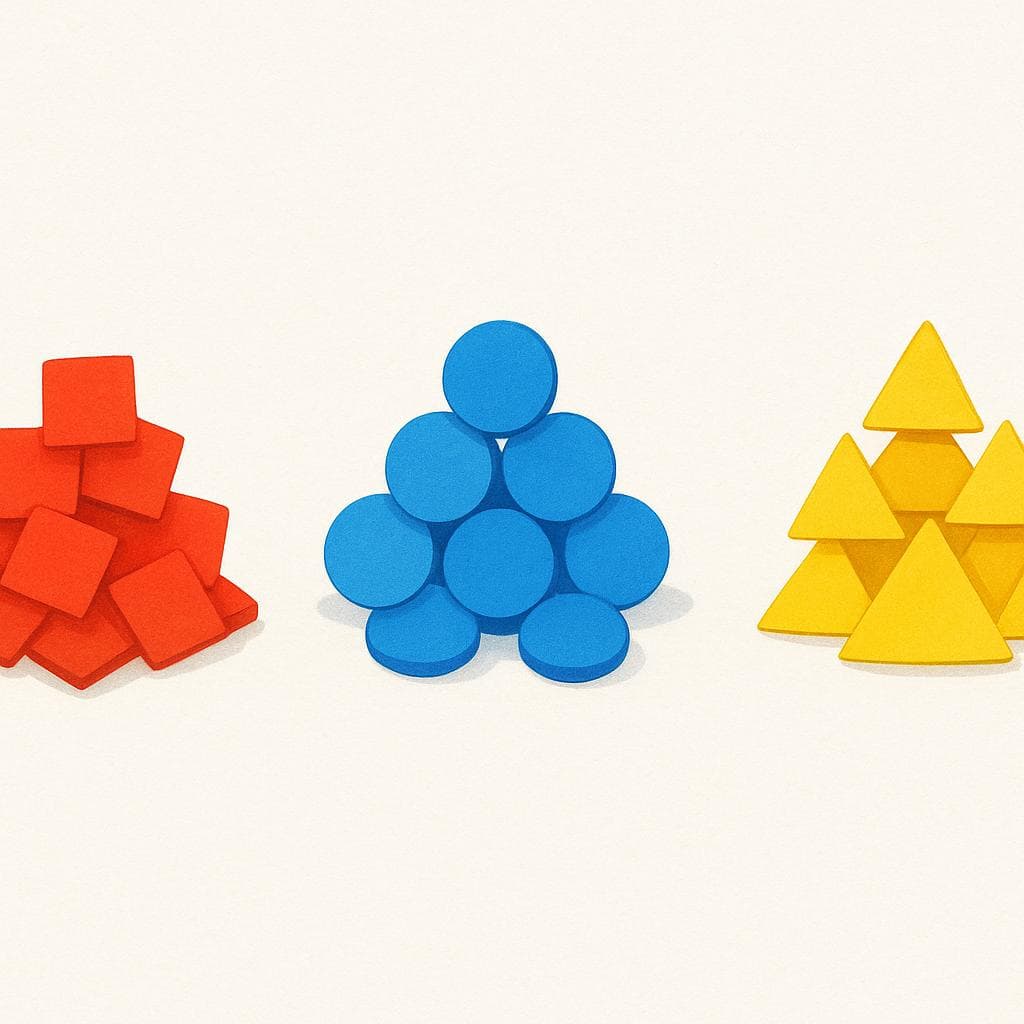


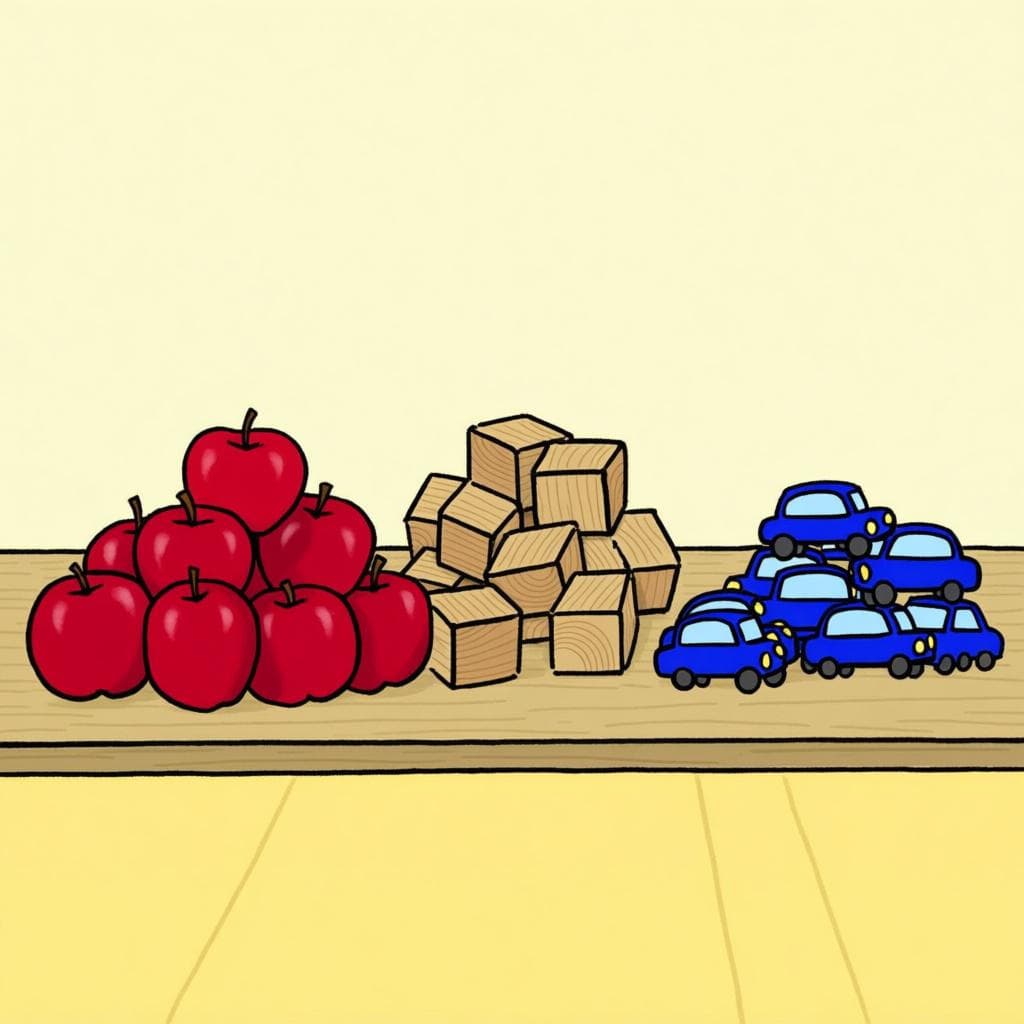



amable
ah-MAH-blehaˈma.βle

Examples
Mi vecina es una persona muy amable.
My neighbor is a very kind person.
Gracias por ser tan amable conmigo.
Thank you for being so kind to me.
Fue muy amable de su parte ayudarme con las maletas.
It was very kind of you to help me with the bags.
One Form Fits All
Adjectives ending in '-e' like 'amable' don't change for men or women. It's 'el hombre amable' (the kind man) and 'la mujer amable' (the kind woman). The word always stays the same!
Always Use 'ser' (to be)
To say someone is kind, you'll almost always use 'ser' (e.g., 'Ella es amable'). Spanish speakers see kindness as a part of someone's personality, not just a temporary mood.
Confusing 'amable' and 'simpático'
Mistake: “Él es muy amable, siempre cuenta chistes.”
Correction: Use 'Él es muy simpático, siempre cuenta chistes.' 'Amable' is more about being polite and helpful. 'Simpático' is closer to being friendly, charming, or fun to be around.
bueno
BWEH-noˈbweno

Examples
Este es un buen libro.
This is a good book.
La sopa está muy buena.
The soup is very tasty.
Mi abuela es una mujer muy buena.
My grandmother is a very kind woman.
Bueno vs. Buen
When 'bueno' comes right before a masculine word, it shortens to 'buen'. For example, you say 'un buen día' (a good day), not 'un bueno día'.
Matching the Noun
'Bueno' changes to match the person or thing it describes. Use 'bueno' for masculine things ('el libro bueno') and 'buena' for feminine things ('la casa buena').
Bueno vs. Bien: The Big Difference
Use 'bueno' to describe things ('La comida es buena' - The food is good). Use 'bien' to describe actions ('Tú cocinas bien' - You cook well).
Forgetting to Change for Gender
Mistake: “La película es bueno.”
Correction: La película es buena. Because 'película' (movie) is a feminine word, you need to use the feminine form 'buena'.
Mixing up 'Bueno' and 'Bien'
Mistake: “Yo hablo español bueno.”
Correction: Yo hablo español bien. Since you're describing an action (speaking), you need to use 'bien' (well), not 'bueno' (good).
tipo
tee-pohˈtipo

Examples
¿Qué tipo de comida te gusta?
What type of food do you like?
No me gusta este tipo de película.
I don't like this kind of movie.
Hay muchos tipos de animales en la selva.
There are many types of animals in the jungle.
Using 'Tipo de'
To ask 'what kind of...?', you say '¿qué tipo de...?'. The word after 'de' usually doesn't need 'un' or 'una'. For example, 'un tipo de coche' (a type of car).
género
Examples
En español, cada sustantivo tiene un género: masculino o femenino.
In Spanish, every noun has a gender: masculine or feminine.
amistoso
ah-mee-STOH-sohamisˈtoso

Examples
Juan es un chico muy amistoso y siempre sonríe.
Juan is a very friendly guy and always smiles.
El perro no es amistoso con los extraños.
The dog is not friendly with strangers.
Lograron un divorcio amistoso por el bien de sus hijos.
They achieved an amicable divorce for the sake of their children.
Matching the word to the person
This word changes its ending based on who you are talking about. Use 'amistoso' for a man or a boy, 'amistosa' for a woman or a girl, and 'amistosos' or 'amistosas' for groups.
Position of the word
In Spanish, you usually place this word AFTER the thing you are describing. For example: 'un vecino amistoso' (a friendly neighbor).
Confusing 'friend' and 'friendly'
Mistake: “Él es muy amigo.”
Correction: Él es muy amistoso.
especie
es-PEH-syehesˈpe.sje
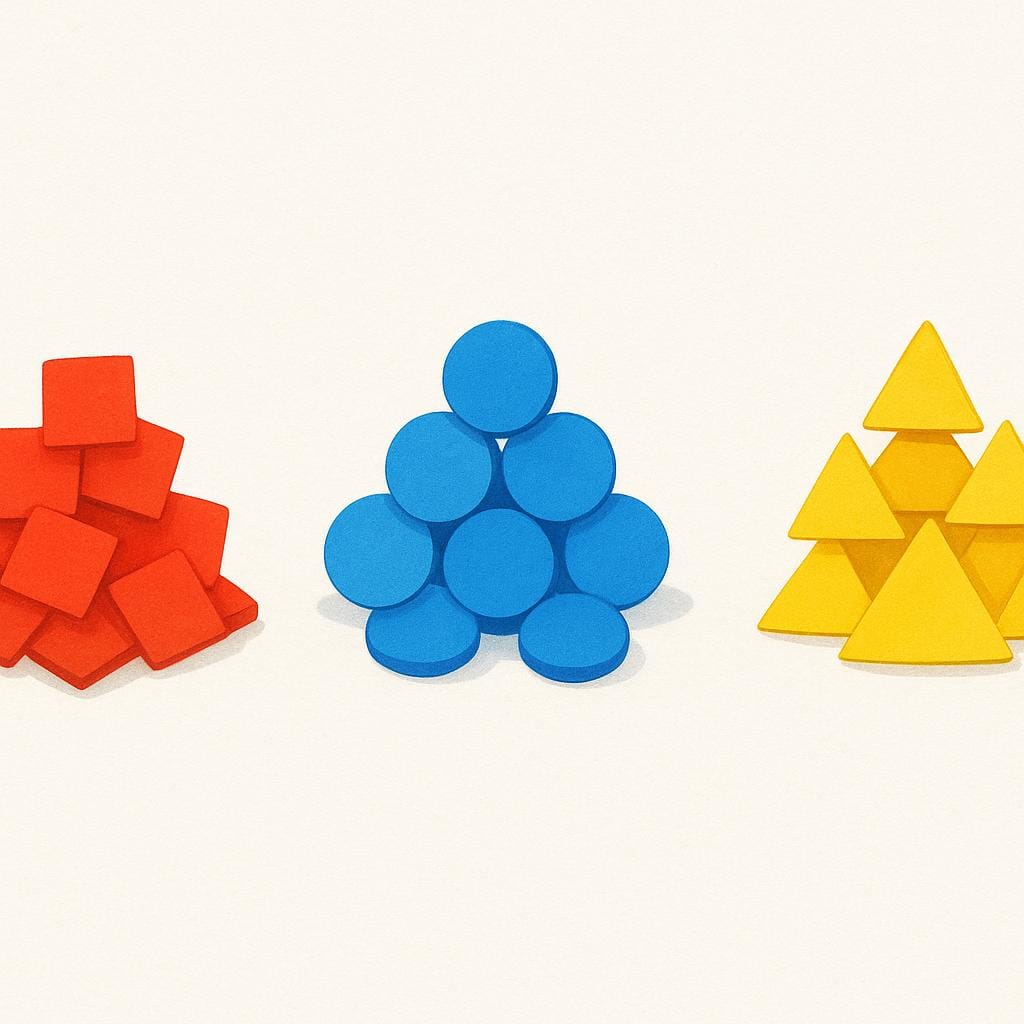
Examples
En el parque vi una especie de pájaro que no conocía.
In the park I saw a kind of bird I didn't know.
Siento una especie de alegría y nervios al mismo tiempo.
I feel a sort of joy and nervousness at the same time.
¿Qué especie de problemas tienes?
What kind of problems do you have?
Always Feminine: 'La Especie'
No matter what you're talking about, the word 'especie' itself is always feminine. So, you'll always say 'una especie de...' or 'la especie', never 'un especie'.
'Especie' vs. 'Especia'
Mistake: “Me encanta la comida con muchas especies.”
Correction: Me encanta la comida con muchas especias. 'Especie' means kind/type, while 'especia' (usually plural, 'especias') means 'spice'.
gentil
hen-TEELxenˈtil

Examples
Mi vecina es muy gentil y siempre me ayuda con las compras.
My neighbor is very kind and always helps me with the groceries.
Fue un gesto muy gentil de su parte ofrecernos un café.
It was a very nice gesture on his part to offer us coffee.
Necesitas ser más gentil al hablar con niños pequeños.
You need to be gentler when speaking with small children.
Masculine and Feminine
Since 'gentil' ends in -L, it is one of the adjectives that does not change form for masculine or feminine. It only changes in the plural: 'gentiles'.
Using 'gentil' for 'gentle' actions
Mistake: “La tela es gentil (The fabric is gentle).”
Correction: La tela es suave (The fabric is soft). 'Gentil' usually describes character or behavior, not physical qualities like softness.
atento
ah-TEN-tohaˈtento

Examples
El personal del hotel fue muy atento con nosotros.
The hotel staff was very courteous to us.
Mi vecino es muy atento; siempre me ayuda con las bolsas.
My neighbor is very thoughtful; he always helps me with the bags.
Character Trait
When describing someone's typical personality—that they are always a polite person—use the verb ser (e.g., Ella es atenta).
clase
KLAH-sehˈklase
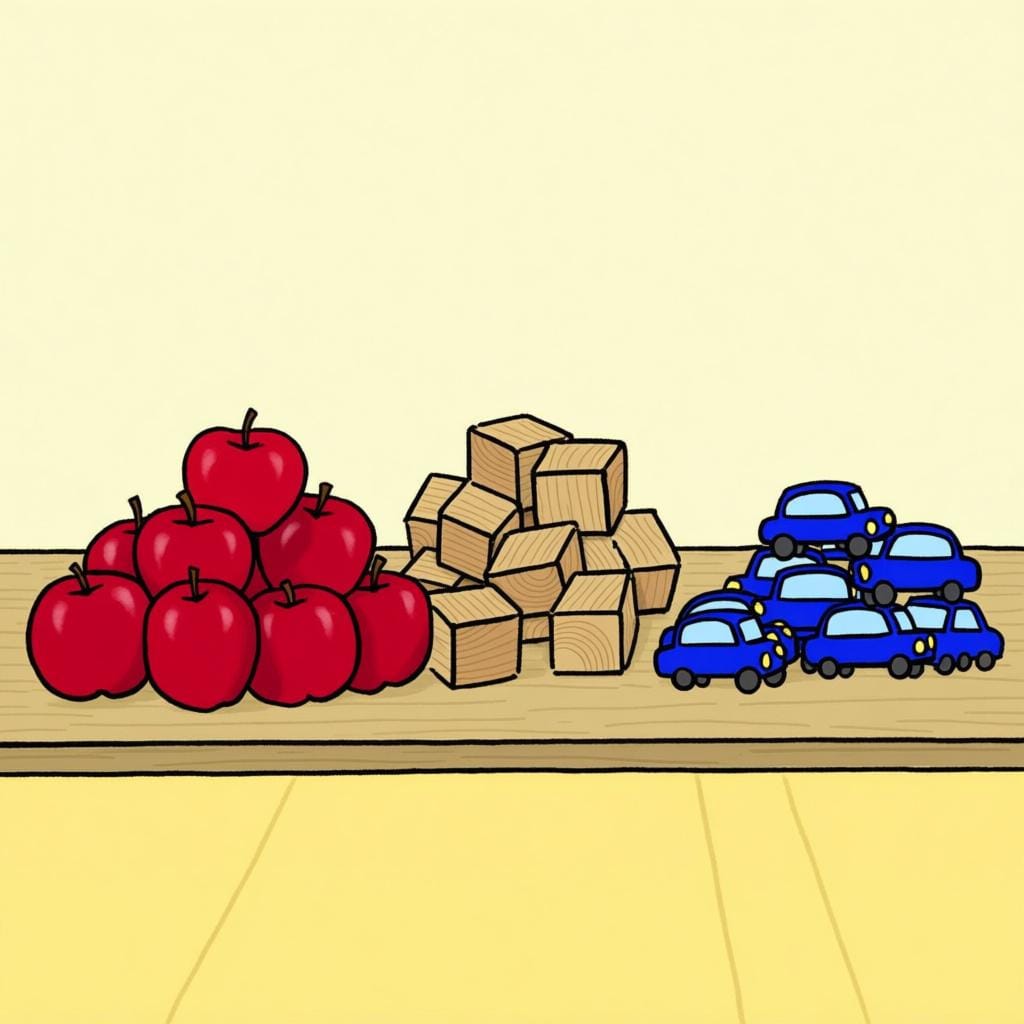
Examples
¿Qué clase de música te gusta?
What kind of music do you like?
Este restaurante tiene toda clase de comida.
This restaurant has all kinds of food.
Nunca he visto un animal de esa clase.
I have never seen an animal of that type.
Confusing with 'Tipo'
Mistake: “Thinking 'clase' and 'tipo' are perfectly interchangeable.”
Correction: They are very close! 'Tipo' is a bit more common in casual speech ('¿Qué tipo de...'). 'Clase' can sound slightly more formal but is perfectly fine and understood everywhere. You can use either in most cases.
considerado
kon-see-deh-RAH-dohkonsiðeˈɾaðo

Examples
Mi vecino es muy considerado; siempre me ayuda con las bolsas.
My neighbor is very thoughtful; he always helps me with the bags.
Ella fue considerada al no hacer ruido mientras yo dormía.
She was considerate by not making noise while I was sleeping.
Agreeing the Adjective
Like most Spanish adjectives, 'considerado' must change its ending to match the person or thing it describes (e.g., 'considerada' for a female, 'considerados' for a group of males/mixed gender).
variedad
bah-ree-eh-DAHDbaɾjeˈðað

Examples
En este restaurante tienen una gran variedad de postres.
In this restaurant, they have a great variety of desserts.
Me gusta la variedad de colores en tu jardín.
I like the variety of colors in your garden.
Es importante proteger la variedad de especies en el océano.
It is important to protect the variety of species in the ocean.
Always Feminine
In Spanish, words that end in '-dad' (like 'ciudad' or 'universidad') are almost always feminine. Always use 'la' or 'una' with 'variedad'.
The 'Of' Connection
Just like in English, when you want to say a variety 'of' something, you use the word 'de' followed by a plural word (e.g., 'variedad de manzanas').
Using 'Variety' as an Adjective
Mistake: “La comida es muy variedad.”
Correction: La comida es muy variada.
suerte
SWER-tehˈsweɾ.te

Examples
De esta suerte, conseguimos resolver el conflicto pacíficamente.
In this manner, we managed to resolve the conflict peacefully.
El autor describe toda suerte de personajes en su novela.
The author describes all sorts of characters in his novel.
índole
Examples
Es un asunto de índole privada.
It is a matter of a private nature.
Kindness vs. Type
Learn Spanish with Inklingo
Interactive stories, personalized learning, and more.