How to Say "style" in Spanish
The most common Spanish word for “style” is “estilo” — use this for a person's general manner, way of doing something, or the characteristic way something is done, like an artist's technique or a personal fashion sense.


estilo
es-TEE-lohesˈtilo
Examples
Me gusta el estilo de ese pintor, es muy moderno.
I like the style of that painter; it is very modern.
Ella tiene un estilo de vida muy saludable.
She has a very healthy lifestyle (style of life).
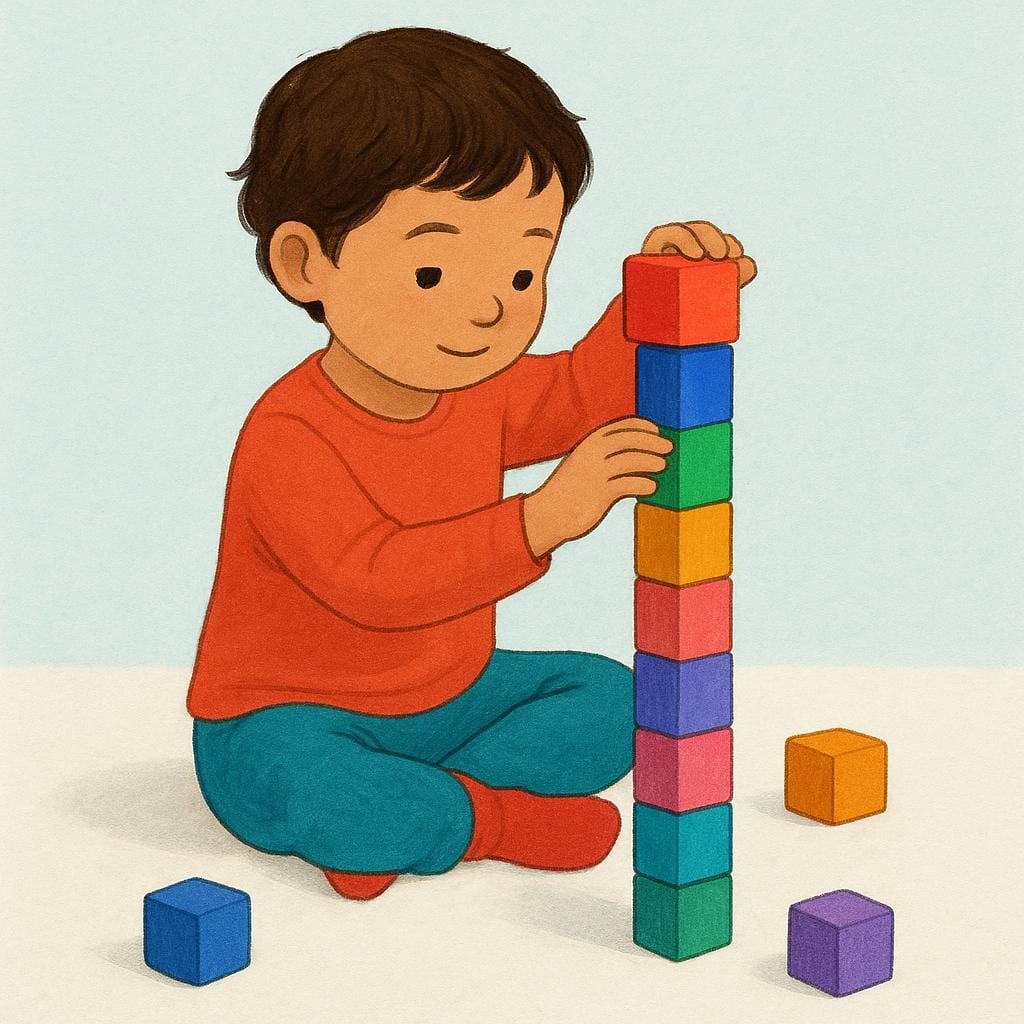
Necesitas cambiar tu estilo de escritura si quieres publicar el libro.
You need to change your writing style if you want to publish the book.
Always Masculine
Remember that 'estilo' is a masculine noun, so you always use the masculine word for 'the' ('el estilo') and make adjectives agree ('un estilo moderno').
Confusing 'Estilo' and 'Moda'
Mistake: “Usando la moda personal (Using 'moda' for personal style).”
Correction: 'Estilo' refers to your characteristic way of doing things or dressing; 'moda' specifically means a current trend or fashion that will eventually pass.
moda
moh-dahˈmoða

Examples
Mi hermana estudia diseño de moda en Milán.
My sister studies fashion design in Milan.
La moda de los años 80 era muy colorida.
The fashion of the 80s was very colorful.
Ella siempre está al tanto de la última moda.
She is always up to date with the latest fashion.
Gender Check
Remember that 'moda' is always feminine, so you must use 'la' or 'una' before it.
Using the wrong preposition
Mistake: “Esto es en moda.”
Correction: Esto está de moda. (The correct way to say something is trendy uses 'de'.)
gusto
goos-toh'gus.to
Examples
Mi hermana tiene muy buen gusto para la decoración.
My sister has very good taste in decoration.
Hay libros para todos los gustos.
There are books for all tastes.
Ese tipo de película no es de mi gusto.
That type of movie is not to my taste.
elegancia
eh-leh-gahn-syaheleˈɣansja
Examples
Ella camina con una elegancia natural.
She walks with a natural elegance.
La elegancia no consiste solo en usar ropa cara.
Elegance isn't just about wearing expensive clothes.
El restaurante destaca por su decoración y elegancia.
The restaurant stands out for its decoration and elegance.
Always Feminine
The word 'elegancia' is always a feminine word. You must use feminine words with it, like 'la elegancia' or 'mucha elegancia,' even if you are talking about a man's style.
Using 'Con' for Descriptions
To describe how someone does something gracefully, use the pattern 'con' + 'elegancia'. For example: 'Se mueve con elegancia' (He/She moves with elegance).
Confusing Noun and Adjective
Mistake: “Él es muy elegancia.”
Correction: Él es muy elegante (adjective) or Él tiene mucha elegancia (noun). Use 'elegante' to describe a person directly, and 'elegancia' to talk about the quality they possess.
género
Examples
La ciencia ficción es mi género cinematográfico preferido.
Science fiction is my favorite movie genre.
lenguaje
len-GWA-hehleŋˈɡwa.xe
Examples
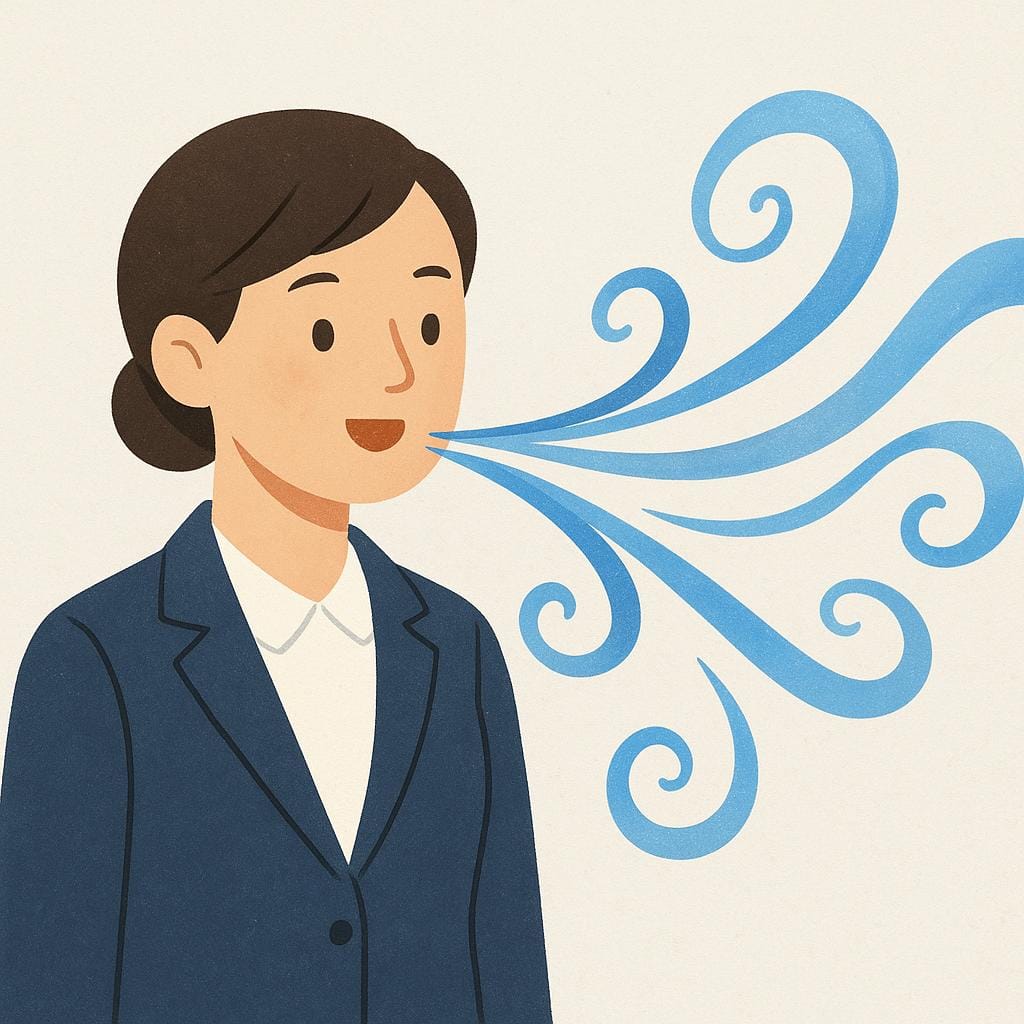
Su lenguaje corporal indicaba que estaba nervioso.
His body language indicated he was nervous.
El informe usa un lenguaje demasiado técnico para el público general.
The report uses language that is too technical for the general public.
Ella siempre usa un lenguaje muy educado y formal.
She always uses very polite and formal language.
Describing the Style
When using 'lenguaje' this way, you almost always follow it with an adjective (like 'formal', 'vulgar', 'técnico') or a prepositional phrase ('lenguaje de la calle' - street language).
línea
Examples
La marca lanzó una nueva línea de productos para el cuidado de la piel.
The brand launched a new line of skin care products.
clase
KLAH-sehˈklase

Examples
La película explora las diferencias entre la clase alta y la clase trabajadora.
The movie explores the differences between the upper class and the working class.
Es una mujer con mucha clase y elegancia.
She is a woman with a lot of class and elegance.
Nos alojamos en un hotel de primera clase.
We are staying in a first-class hotel.
corte
KOR-tehˈkoɾ.te
Examples
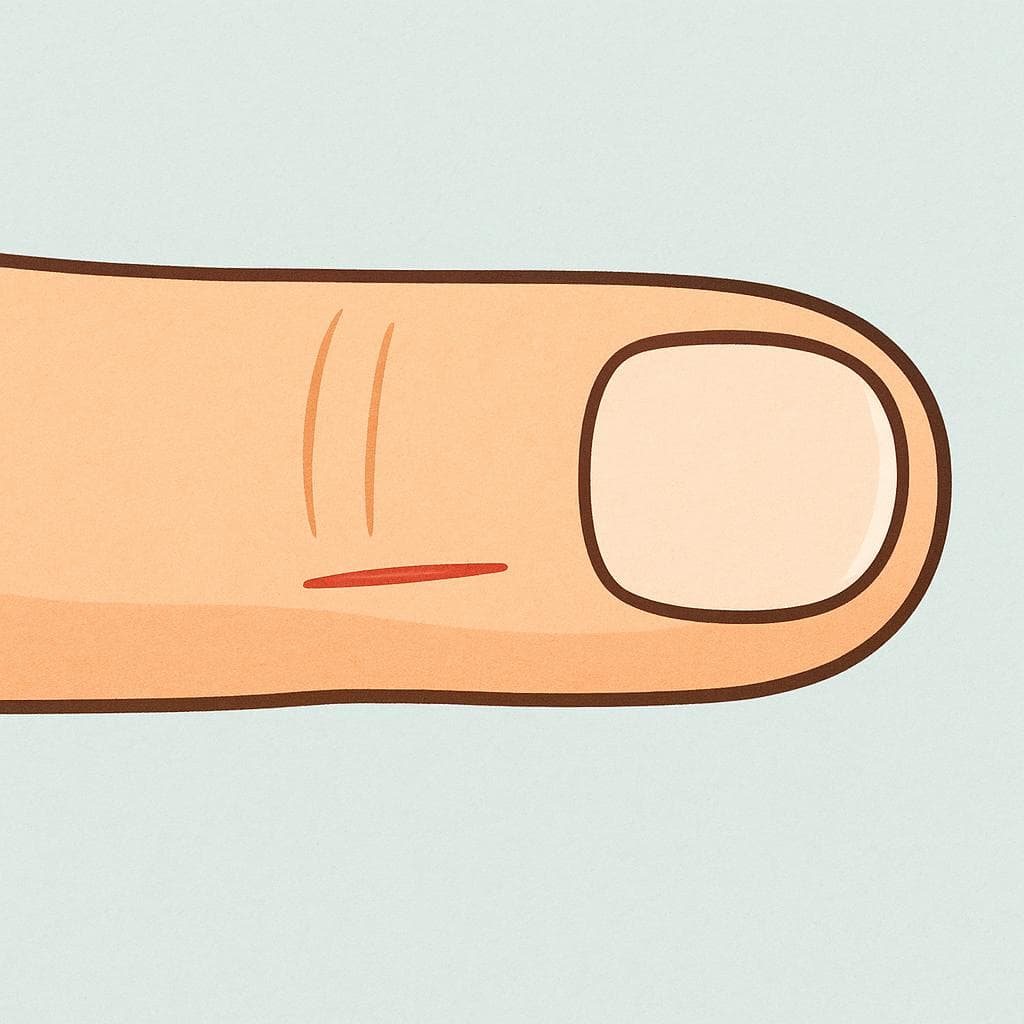
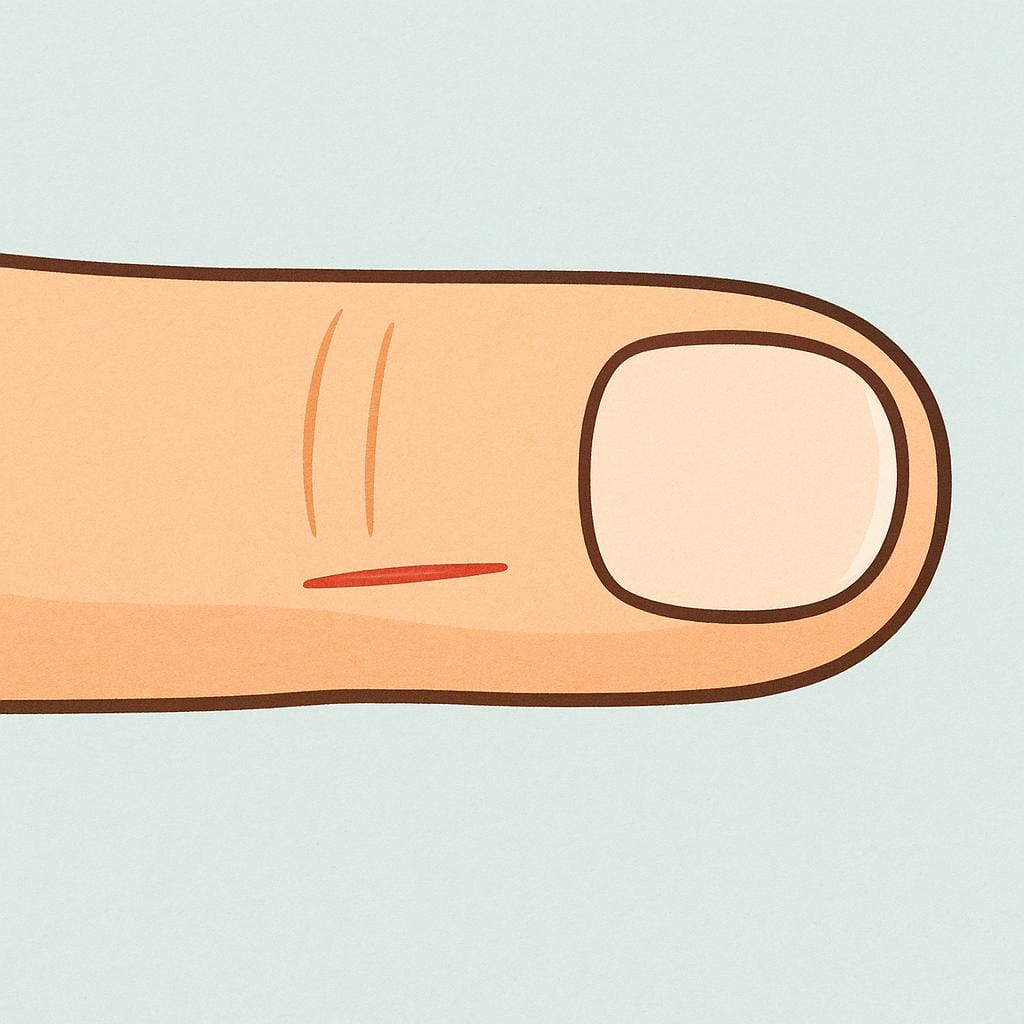
Me hice un corte en el dedo con un papel.
I got a paper cut on my finger.
Necesito un corte de pelo nuevo.
I need a new haircut.
Hubo un corte de luz en todo el barrio.
There was a power outage in the whole neighborhood.
Estilo vs. Moda vs. Gusto
Related Translations
Learn Spanish with Inklingo
Interactive stories, personalized learning, and more.