How to Say "type" in Spanish
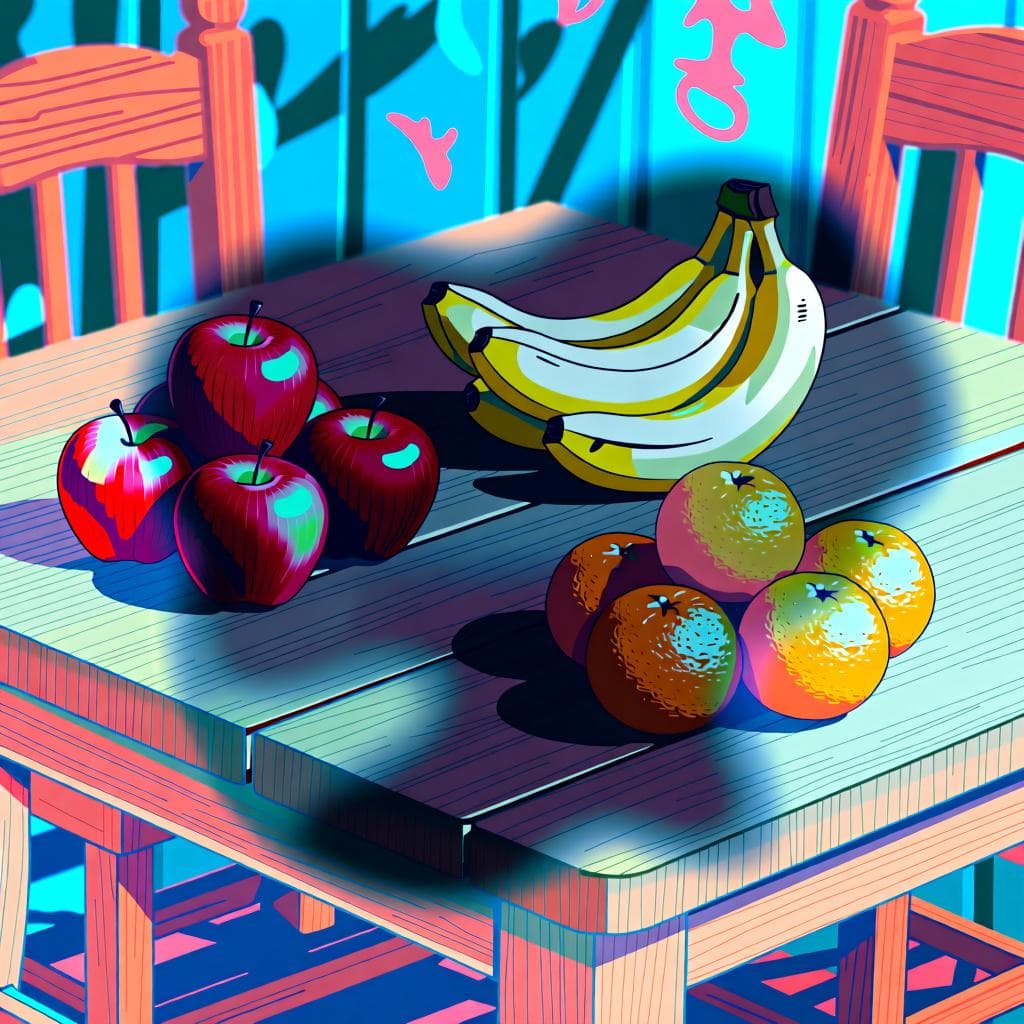
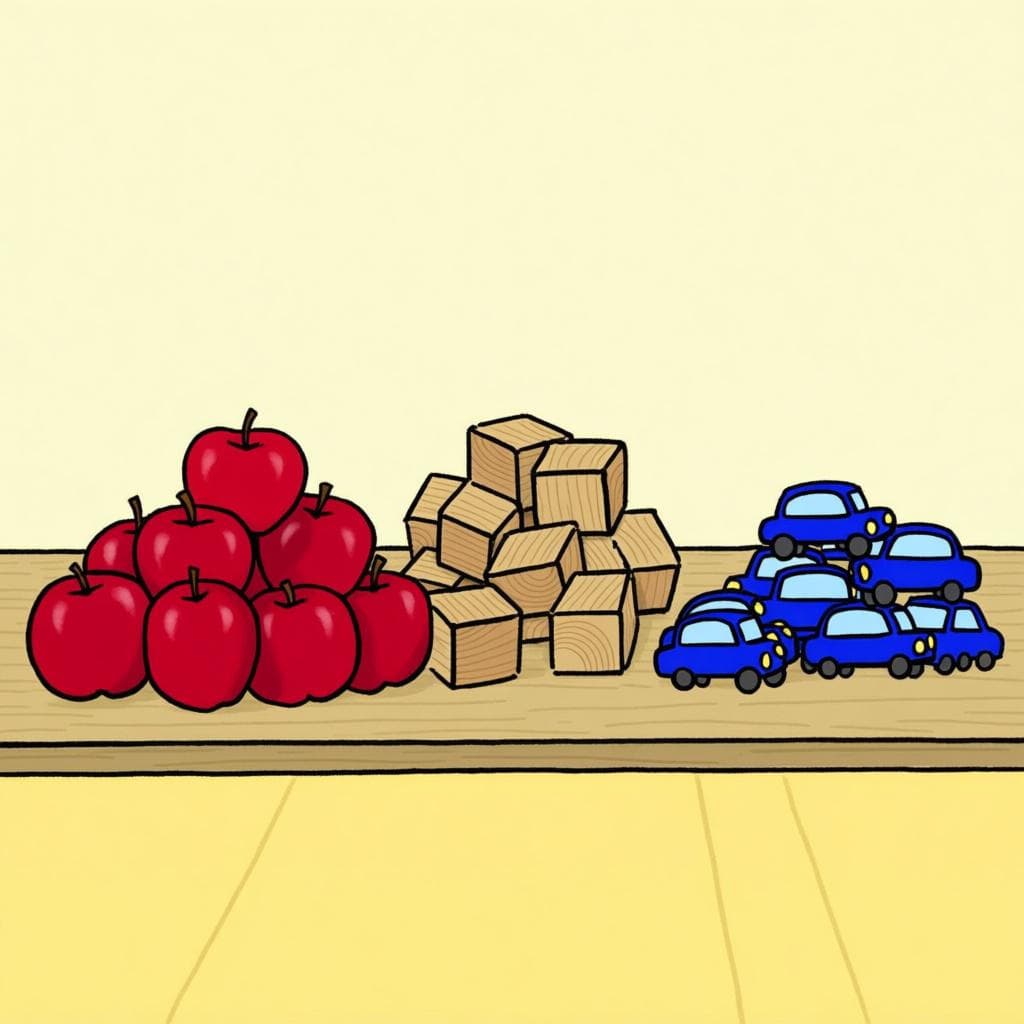
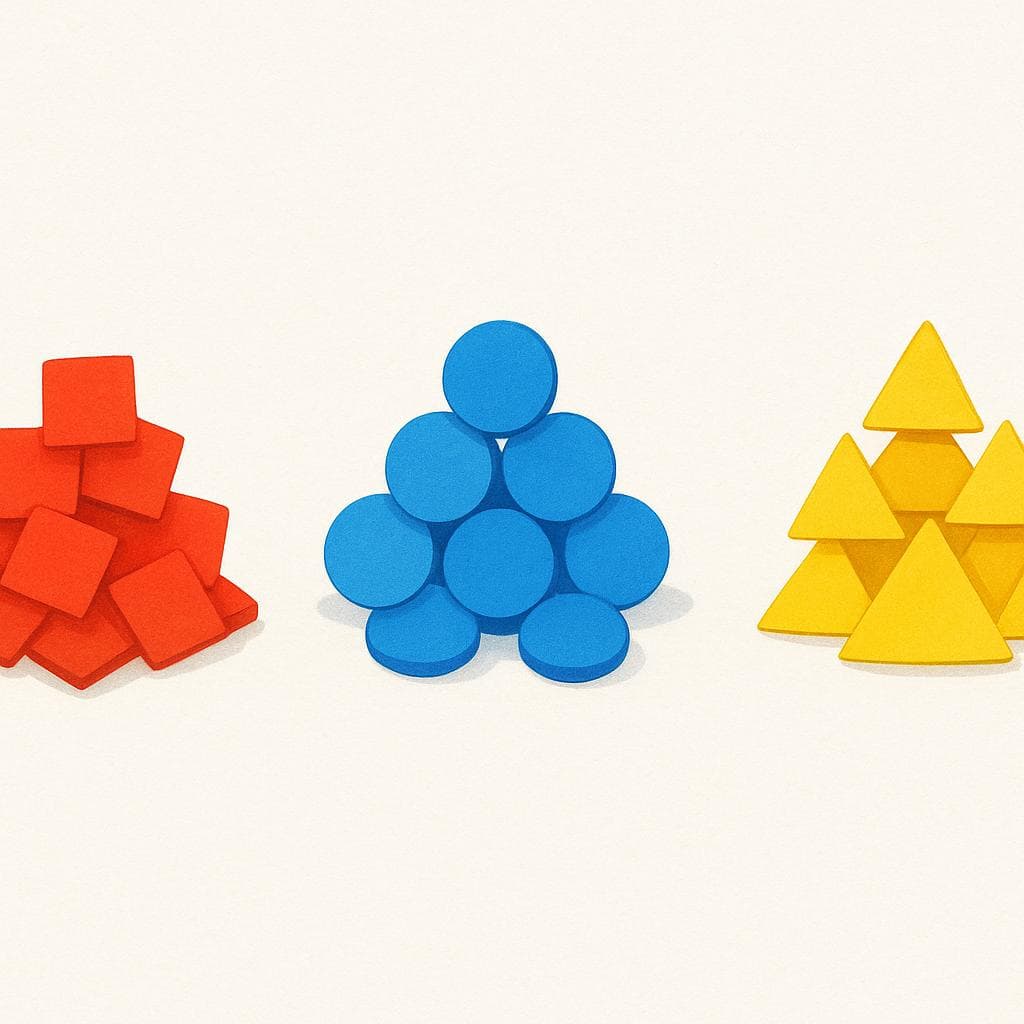
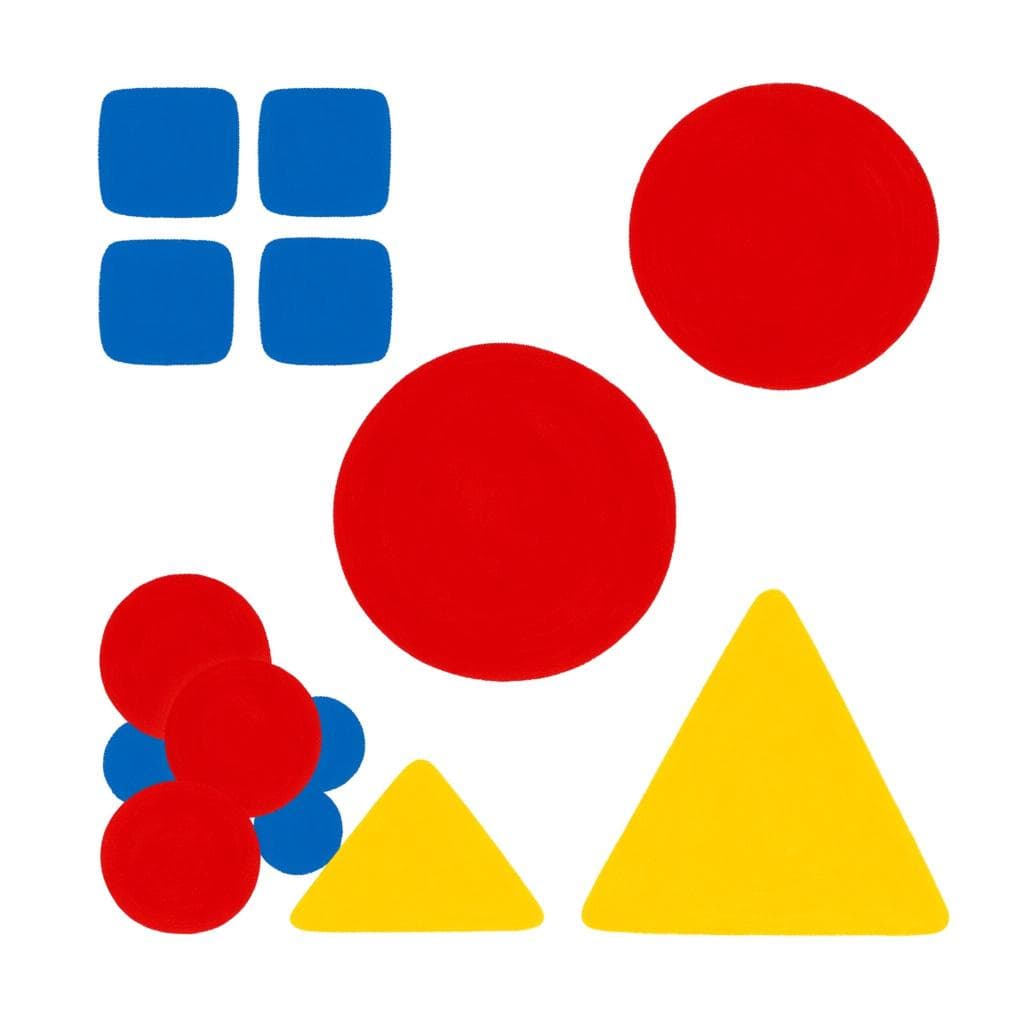
The most common Spanish word for “type” is “tipo” — use 'tipo' for general categories, classifications, or kinds of things, similar to 'kind' or 'sort' in English.

tipo
tee-pohˈtipo
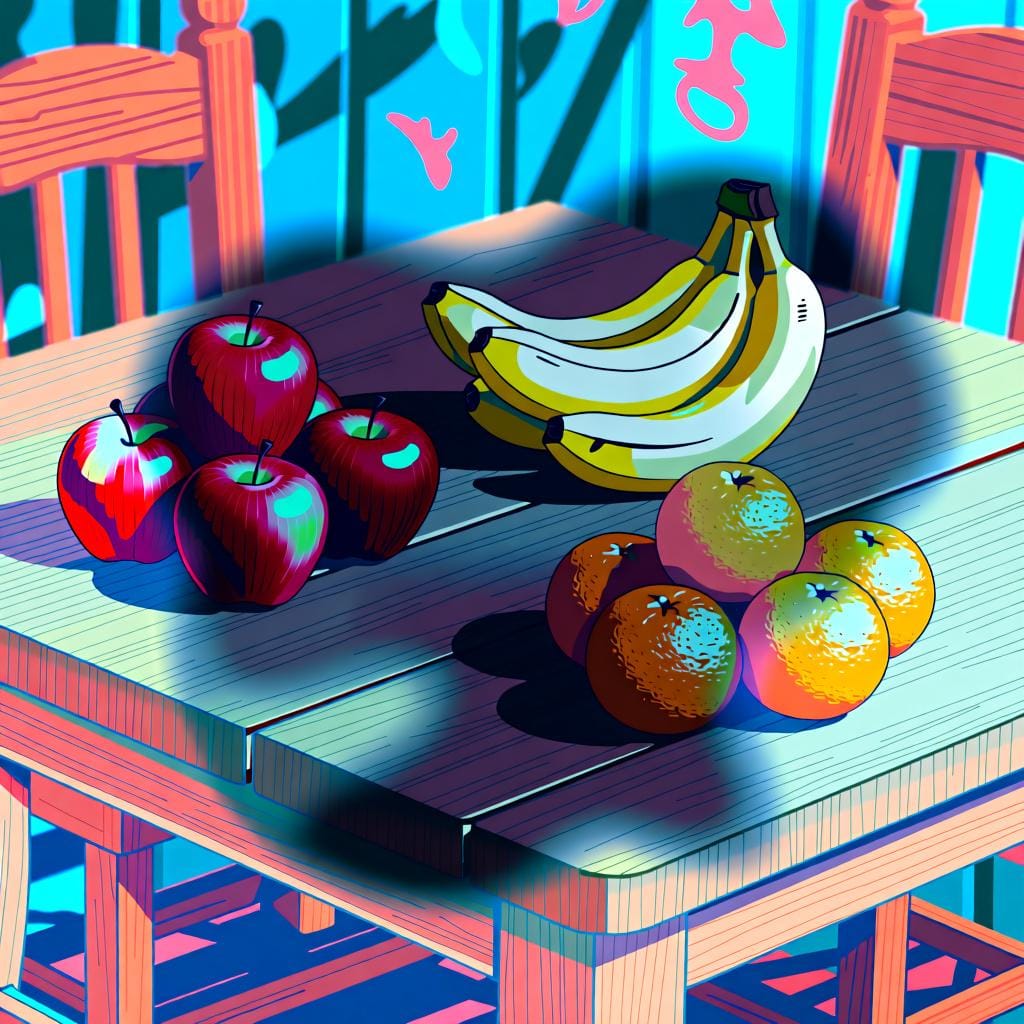
Examples
¿Qué tipo de música te gusta?
What type of music do you like?
¿Qué tipo de comida te gusta?
What type of food do you like?
No me gusta este tipo de película.
I don't like this kind of movie.
Hay muchos tipos de animales en la selva.
There are many types of animals in the jungle.
Using 'Tipo de'
To ask 'what kind of...?', you say '¿qué tipo de...?'. The word after 'de' usually doesn't need 'un' or 'una'. For example, 'un tipo de coche' (a type of car).
clase
KLAH-sehˈklase
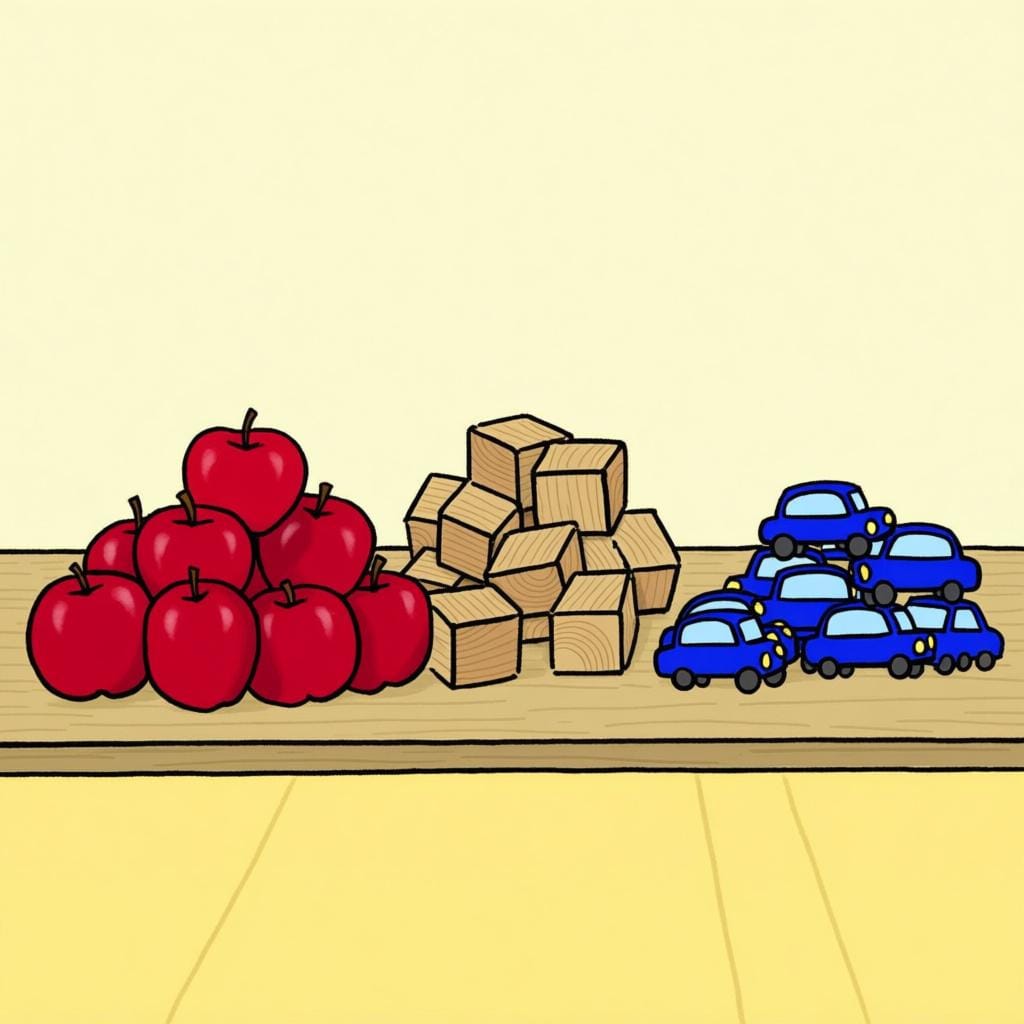
Examples
¿Qué clase de películas prefieres ver?
What class of movies do you prefer to watch?
¿Qué clase de música te gusta?
What kind of music do you like?
Este restaurante tiene toda clase de comida.
This restaurant has all kinds of food.
Nunca he visto un animal de esa clase.
I have never seen an animal of that type.
Confusing with 'Tipo'
Mistake: “Thinking 'clase' and 'tipo' are perfectly interchangeable.”
Correction: They are very close! 'Tipo' is a bit more common in casual speech ('¿Qué tipo de...'). 'Clase' can sound slightly more formal but is perfectly fine and understood everywhere. You can use either in most cases.
especie
es-PEH-syehesˈpe.sje
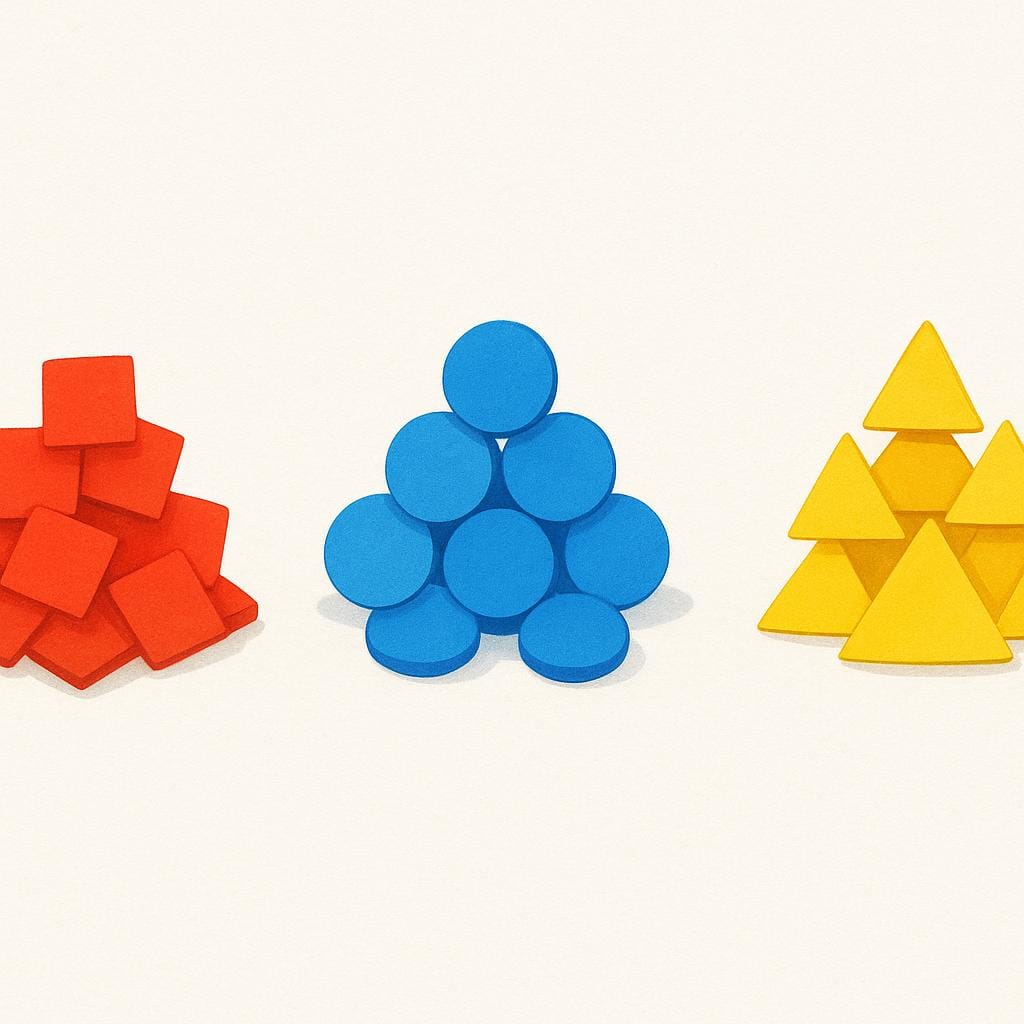
Examples
En el jardín encontré una nueva especie de insecto.
In the garden, I found a new species of insect.
En el parque vi una especie de pájaro que no conocía.
In the park I saw a kind of bird I didn't know.
Siento una especie de alegría y nervios al mismo tiempo.
I feel a sort of joy and nervousness at the same time.
¿Qué especie de problemas tienes?
What kind of problems do you have?
Always Feminine: 'La Especie'
No matter what you're talking about, the word 'especie' itself is always feminine. So, you'll always say 'una especie de...' or 'la especie', never 'un especie'.
'Especie' vs. 'Especia'
Mistake: “Me encanta la comida con muchas especies.”
Correction: Me encanta la comida con muchas especias. 'Especie' means kind/type, while 'especia' (usually plural, 'especias') means 'spice'.
grupo
GROO-pohˈɡɾupo
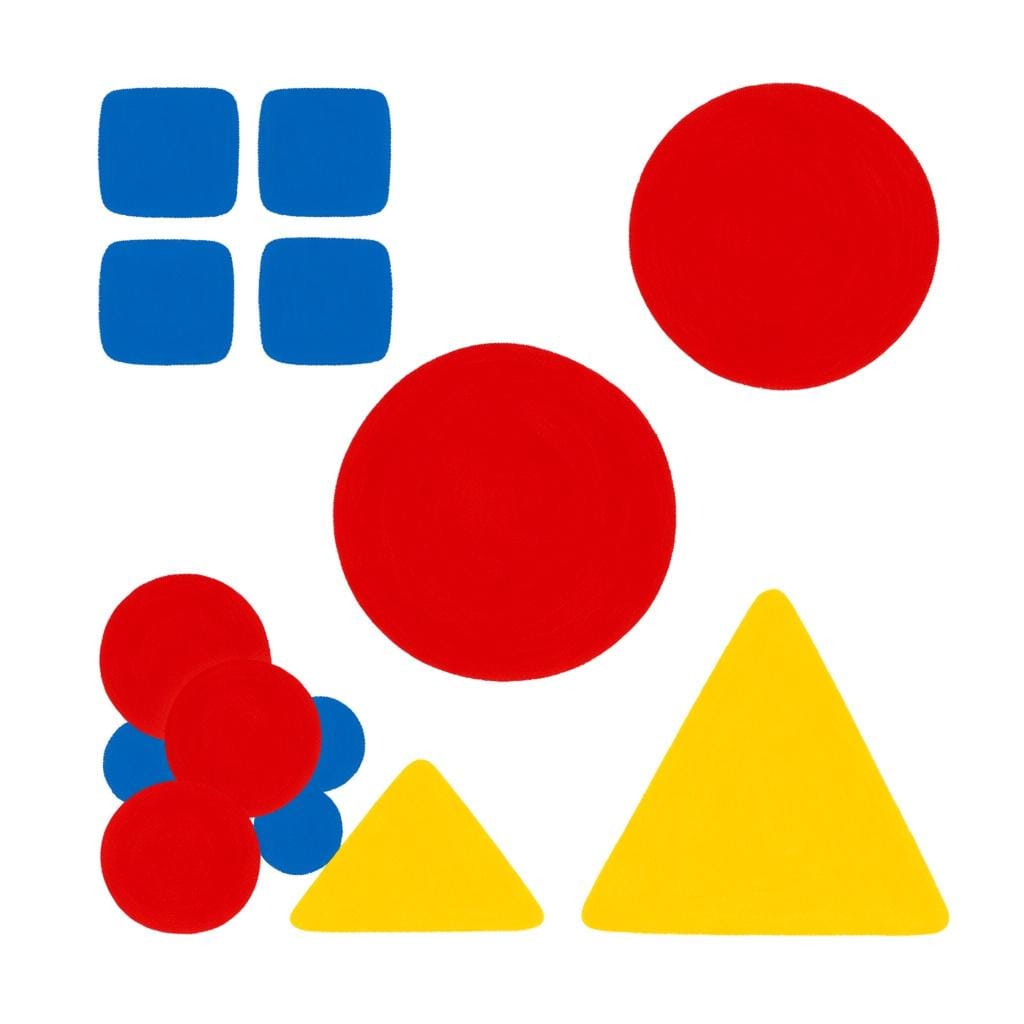
Examples
Necesitamos formar grupos para el proyecto.
We need to form groups for the project.
La empresa se divide en varios grupos de trabajo.
The company is divided into several working groups.
Este es el grupo sanguíneo más raro.
This is the rarest blood group/type.
El profesor dividió la clase en dos grupos para el debate.
The teacher divided the class into two groups for the debate.
modelo
mo-DEH-lohmoˈðelo

Examples
Este modelo de teléfono tiene una cámara excelente.
This model of phone has an excellent camera.
Este nuevo modelo de coche es más eficiente.
This new model of car is more efficient.
Su ética de trabajo es un modelo para todos nosotros.
His work ethic is a model/example for all of us.
Necesito una copia del modelo de solicitud.
I need a copy of the application form/template.
Always Masculine
When 'modelo' means a prototype or design, it is always a masculine noun: 'el modelo', even if the thing it describes is feminine.
Confusing Noun and Adjective
Mistake: “Usar 'modelo' como adjetivo de calidad (e.g., 'una casa modelo').”
Correction: Use 'ejemplar' or place 'modelo' correctly as a noun modifier: 'una casa que sirve de modelo'.
tipo
tee-pohˈtipo
Examples
El tipo de cambio ha subido hoy.
The exchange rate has gone up today.
¿Qué tipo de comida te gusta?
What type of food do you like?
No me gusta este tipo de película.
I don't like this kind of movie.
Hay muchos tipos de animales en la selva.
There are many types of animals in the jungle.
Using 'Tipo de'
To ask 'what kind of...?', you say '¿qué tipo de...?'. The word after 'de' usually doesn't need 'un' or 'una'. For example, 'un tipo de coche' (a type of car).
General vs. Specific 'Type'
Learn Spanish with Inklingo
Interactive stories, personalized learning, and more.