How to Say "master" in Spanish
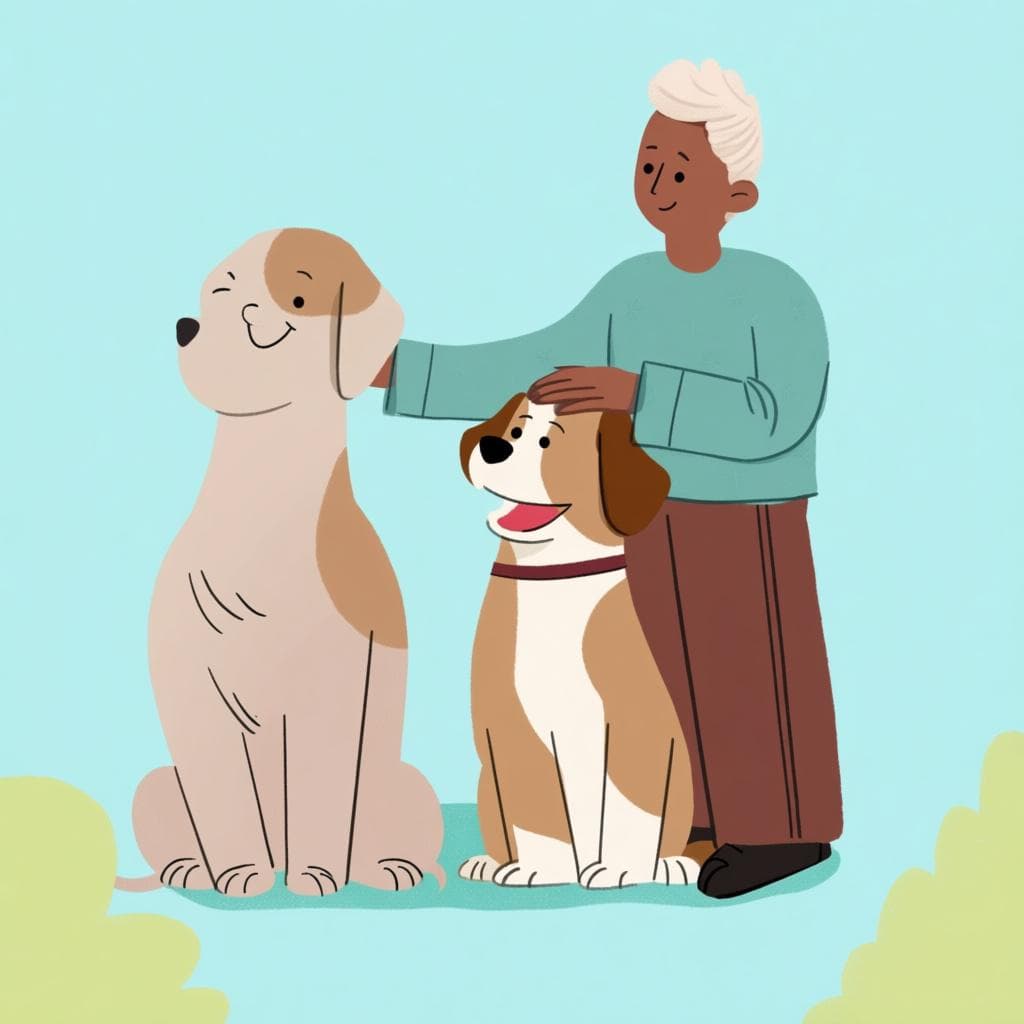
The most common Spanish word for “master” is “dueño” — use 'dueño' when referring to the owner of a possession, like a car or property, or historically, the owner of an estate or animal.


dueño
Examples
¿Quién es el dueño de este coche rojo?
Who is the owner of this red car?
patrón
Examples
Mi patrón es muy estricto con la hora de llegada.
My boss is very strict about the arrival time.
maestro
mah-ESS-trohmaˈes.tɾo
Examples
Picasso fue un maestro del cubismo.
Picasso was a master of Cubism.
Es un maestro en el arte de la negociación.
He is a master in the art of negotiation.
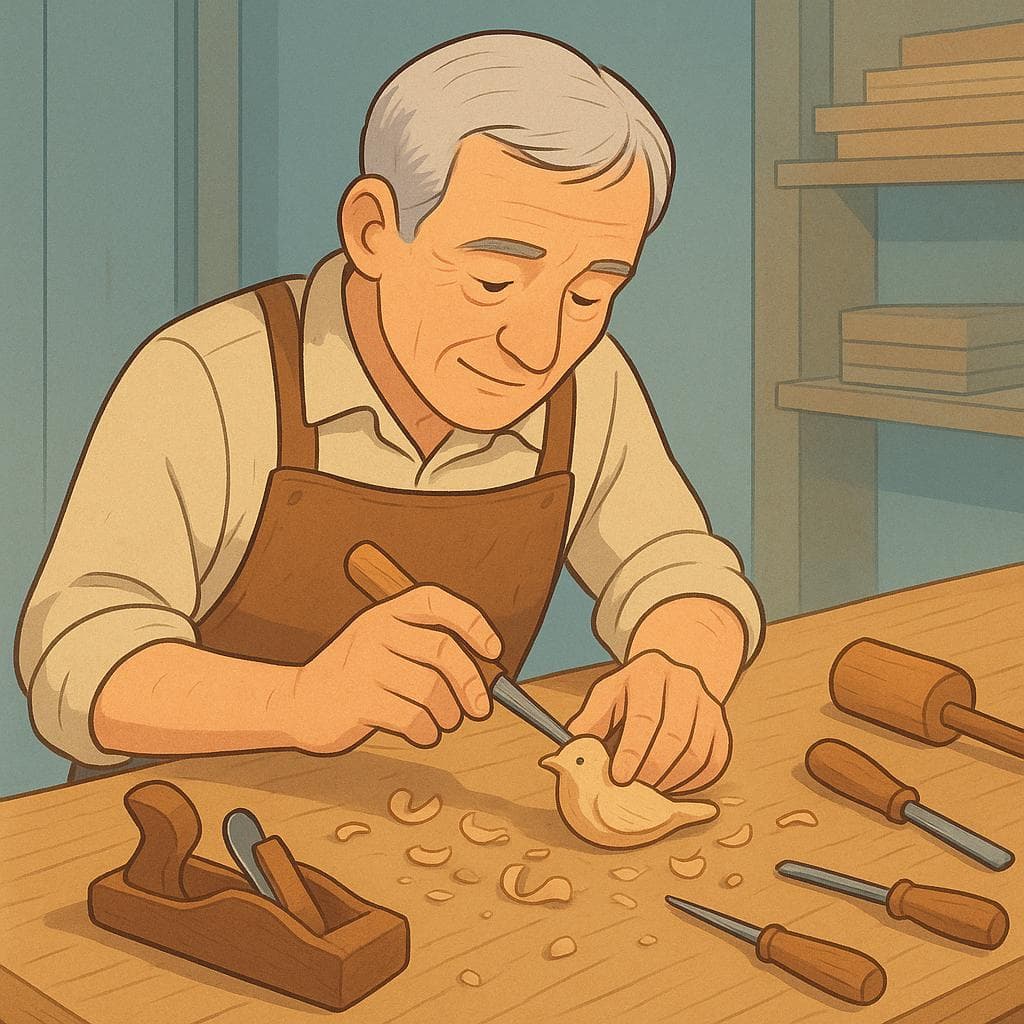
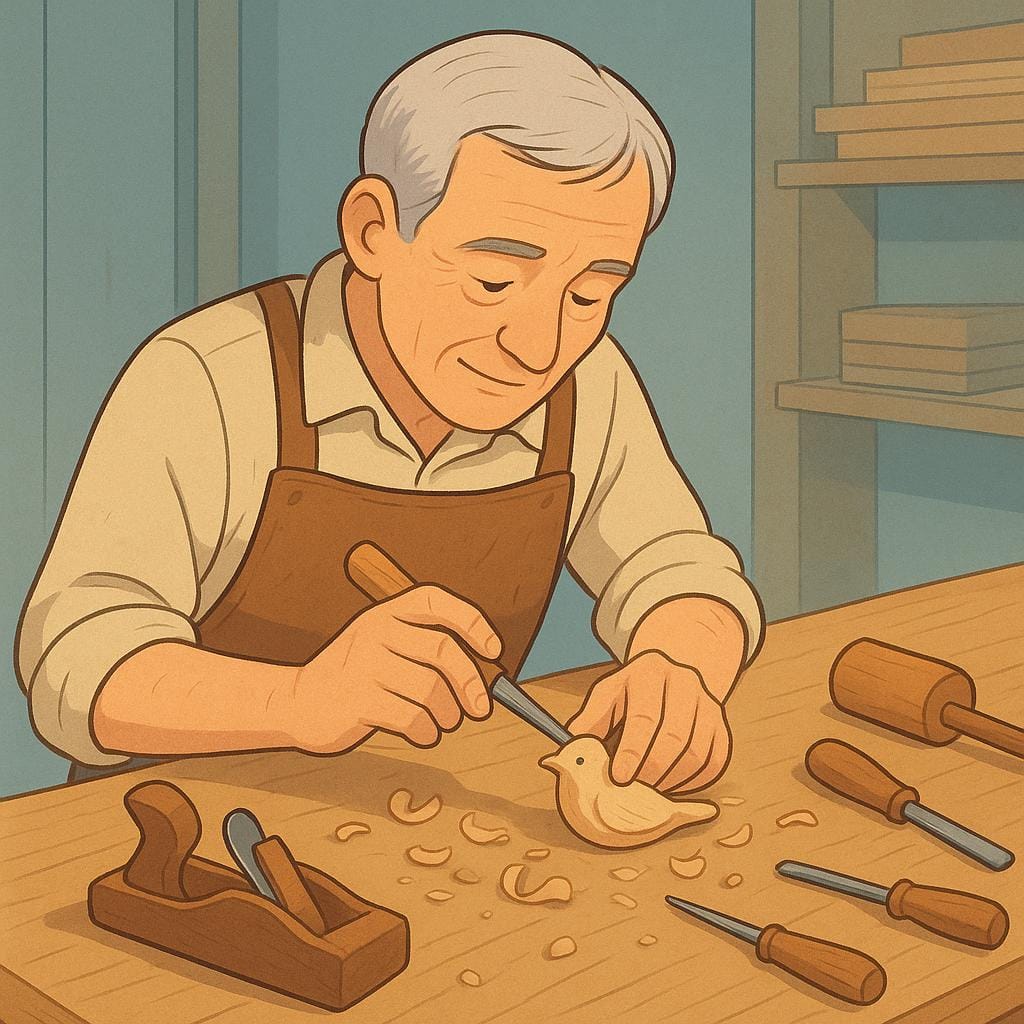
El carpintero es un verdadero maestro; su trabajo es impecable.
The carpenter is a true master; his work is flawless.
Necesitamos la llave maestra para abrir todas las puertas.
We need the master key to open all the doors.
Matching the Noun
When used like this, maestro is an adjective, so it must match the thing it describes. If the noun is feminine, it becomes maestra, like in llave maestra (key) or obra maestra (work of art).
Word Order
This adjective almost always comes right after the noun it's describing, like plan maestro or viga maestra.
controlar
kohn-troh-LAHRkon.tɾoˈlaɾ
Examples
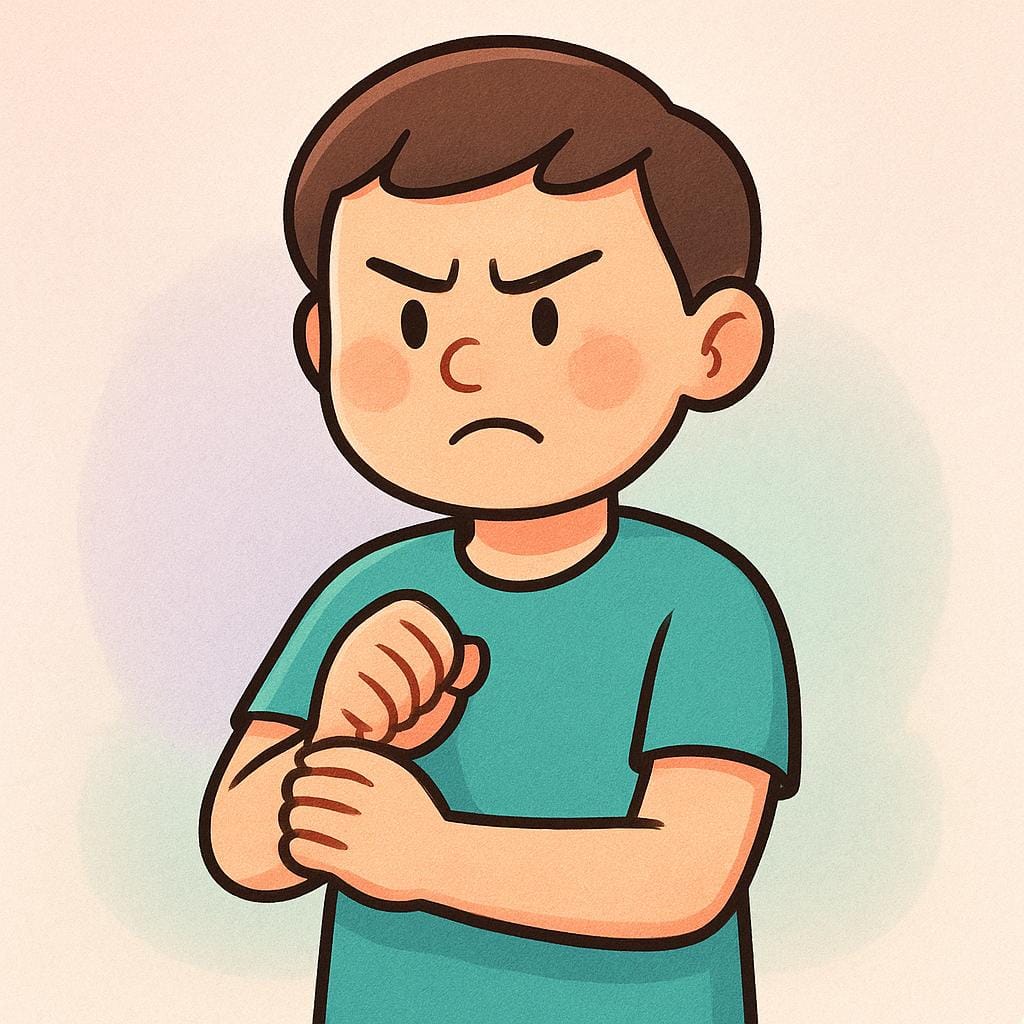
Ella se controló para no llorar delante de todos.
She restrained herself so as not to cry in front of everyone.
El boxeador controló a su oponente con facilidad.
The boxer dominated his opponent easily.
The Self-Control Verb
When you add 'se' (or me, te, nos, os) to 'controlar,' it means you are controlling your own behavior or emotions. This is called a reflexive verb.
Forgetting the 'Se'
Mistake: “Dije 'no puedo controlar' cuando estaba muy enojado.”
Correction: Dije 'no puedo controlarme' (I can't control myself). Always include the reflexive pronoun when talking about personal restraint.
amo
ah-moh'a.mo
Examples
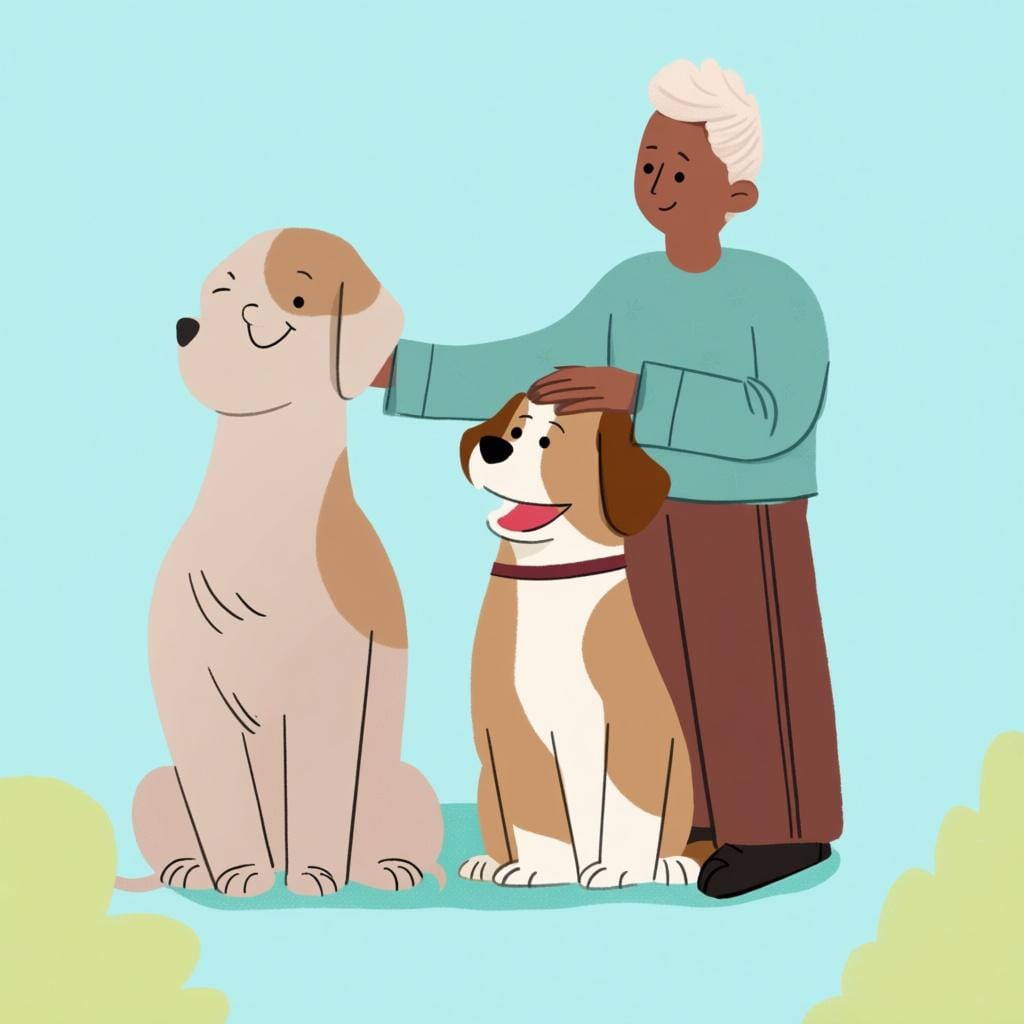
El perro espera felizmente a su amo.
The dog happily waits for its owner.
En la película, el sirviente era leal a su amo.
In the movie, the servant was loyal to his master.
Él se cree el amo del universo.
He thinks he's the master of the universe.
A Masculine Word
This word is masculine, so you say 'el amo' or 'un amo'. The word for a female master is 'el ama'. We use 'el' instead of 'la' to avoid the awkward 'la ama' sound, even though 'ama' is a feminine noun.
Confusing the Noun and Verb
Mistake: “'El perro tiene un amo.' (Thinking this means 'The dog has an I love.')”
Correction: The words 'un' or 'el' before 'amo' are your clue that it's the noun 'master/owner'. If it's by itself or after 'yo', it's the verb 'I love'.
señor
Examples
El rey era el señor de todas esas tierras.
The king was the lord of all those lands.
capitán
Examples
El capitán del barco anunció que llegaríamos pronto al puerto.
The ship's captain announced we would arrive at the port soon.
rey
rreyrei̯
Examples
Michael Jordan es el rey del baloncesto.
Michael Jordan is the king of basketball.
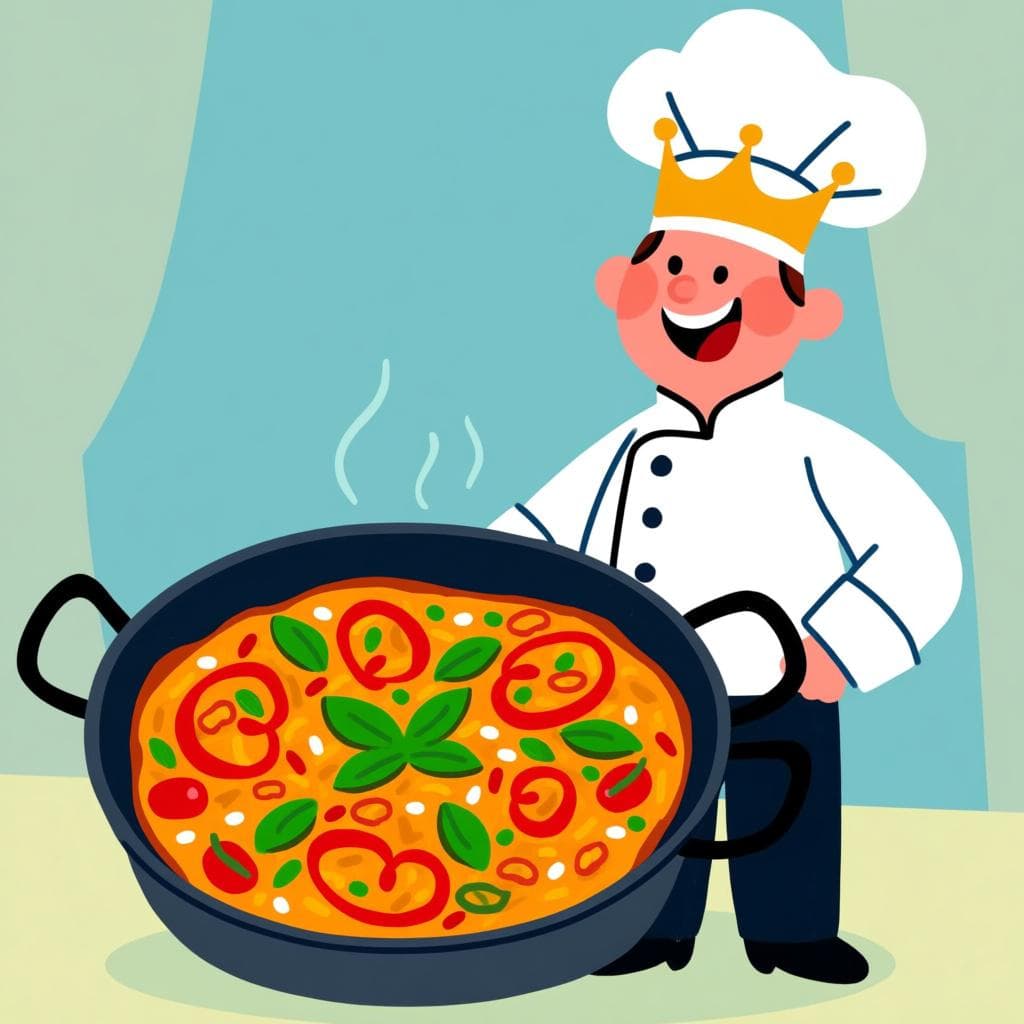
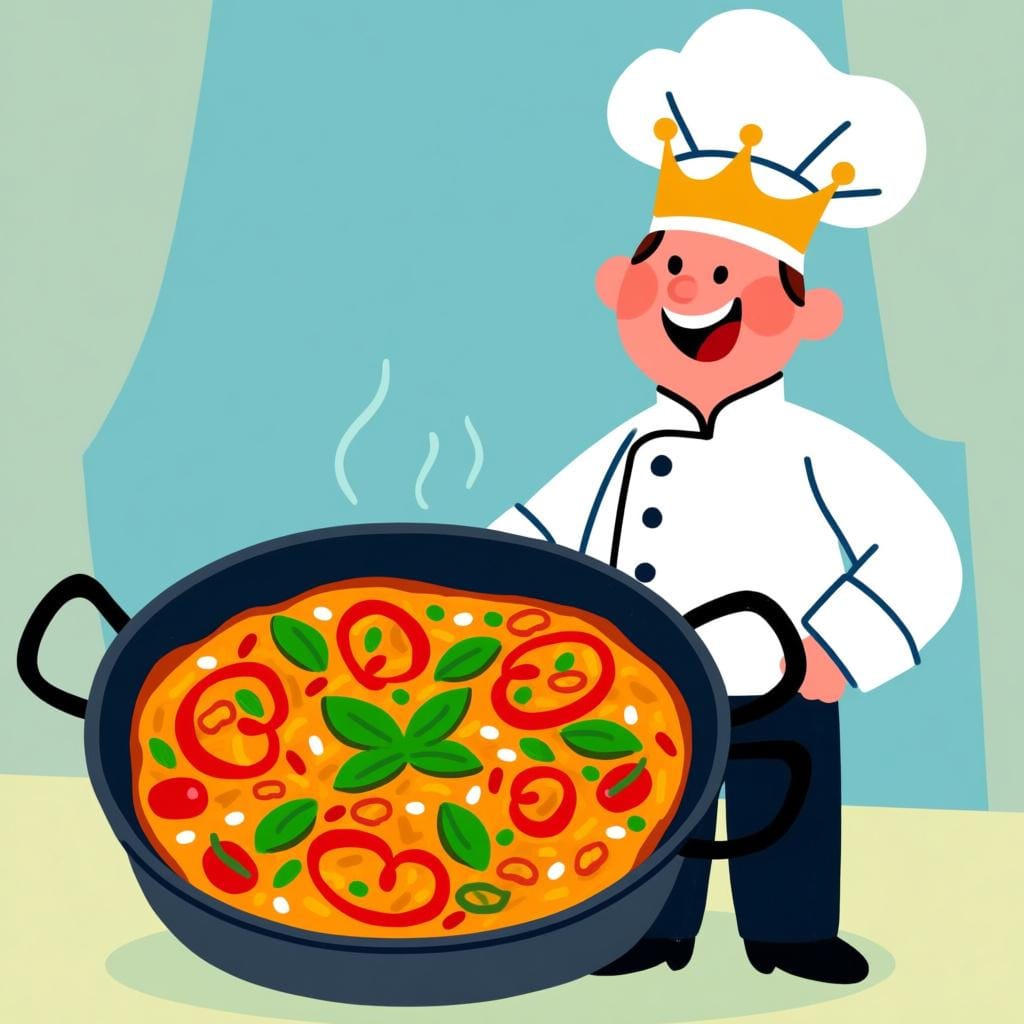
Mi abuelo es el rey de la paella; nadie la hace mejor.
My grandfather is the king of paella; nobody makes it better.
Ese niño es el rey de la casa, todos hacen lo que él quiere.
That kid is the king of the house, everyone does what he wants.
príncipe
Examples
Es considerado el príncipe de la literatura moderna.
He is considered the master/prince of modern literature.
jedi
Examples
Luke Skywalker es el Jedi más famoso.
Luke Skywalker is the most famous Jedi.
lord
lordloɾd

Examples
Leí una novela sobre un joven lord que hereda un castillo escocés.
I read a novel about a young lord who inherits a Scottish castle.
El Lord Mayor de Londres es una figura ceremonial importante para la ciudad.
The Lord Mayor of London is an important ceremonial figure for the city.
Muchos lords tienen asientos en la Cámara Alta del Parlamento británico.
Many lords have seats in the Upper House of the British Parliament.
Always Masculine
Even though this word is a title, it is always treated as a masculine noun in Spanish: 'el lord', 'los lords'.
Using 'Señor'
Mistake: “Using 'señor' when referring to a specific British title of nobility.”
Correction: While 'señor' is often used for 'sir' or 'mister', for the formal British title, the anglicism 'lord' is almost always preferred in Spanish media and literature.
señorito
Examples
El señorito Rafael heredó las tierras de su padre.
The young gentleman Rafael inherited his father's lands.
maestro
mah-ESS-trohmaˈes.tɾo
Examples
Necesitamos la llave maestra para abrir todas las puertas.
We need the master key to open all the doors.
Picasso fue un maestro del cubismo.
Picasso was a master of Cubism.
Es un maestro en el arte de la negociación.
He is a master in the art of negotiation.
El carpintero es un verdadero maestro; su trabajo es impecable.
The carpenter is a true master; his work is flawless.
Matching the Noun
When used like this, maestro is an adjective, so it must match the thing it describes. If the noun is feminine, it becomes maestra, like in llave maestra (key) or obra maestra (work of art).
Word Order
This adjective almost always comes right after the noun it's describing, like plan maestro or viga maestra.
Confusing Owner vs. Skill
Related Translations
Learn Spanish with Inklingo
Interactive stories, personalized learning, and more.