How to Say "teacher" in Spanish
The most common Spanish word for “teacher” is “profesor” — use this for teachers in middle school, high school, and at the university level.

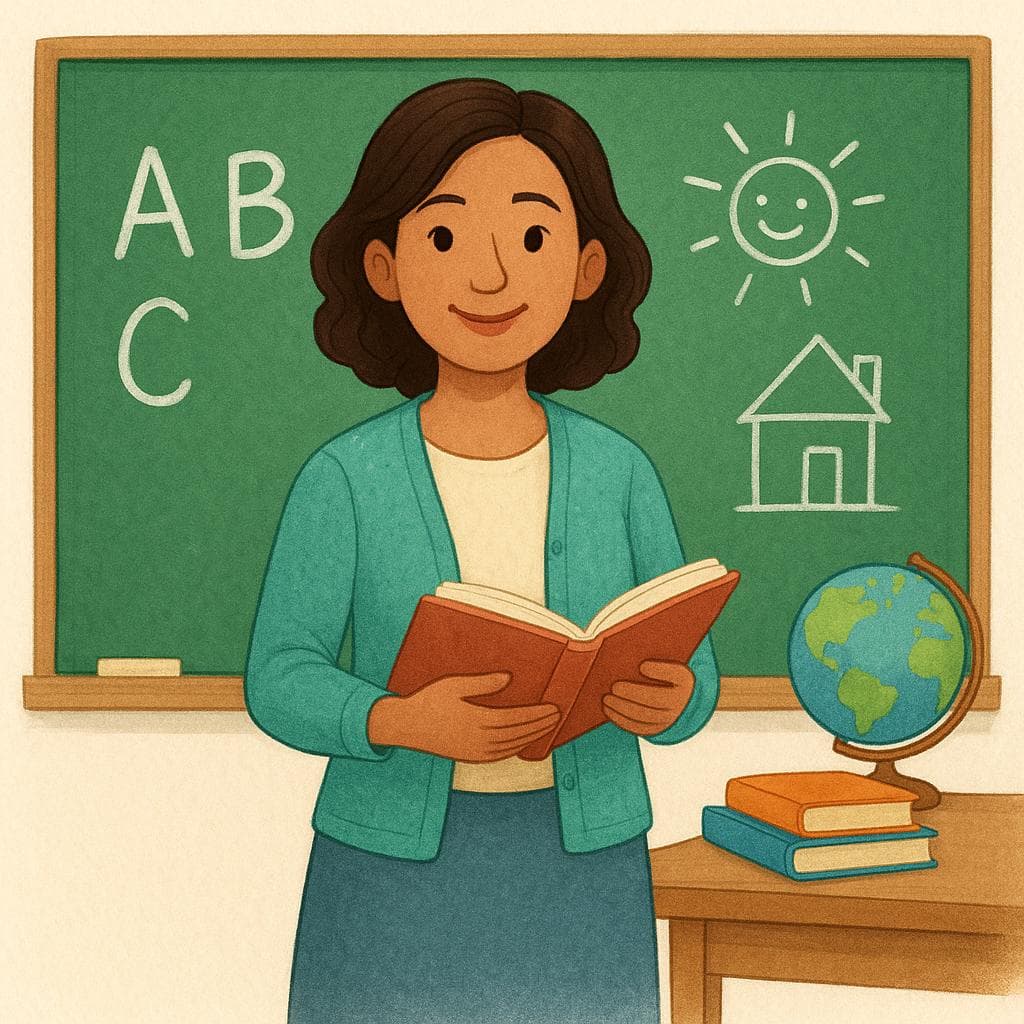



profesor
pro-feh-SORpɾo.feˈsoɾ

Examples
Mi profesor de español es de Madrid.
My Spanish teacher is from Madrid.
El profesor explicó la lección dos veces.
The teacher explained the lesson twice.
Ella es profesora de historia en la universidad.
She is a history professor at the university.
A Word with Two Genders
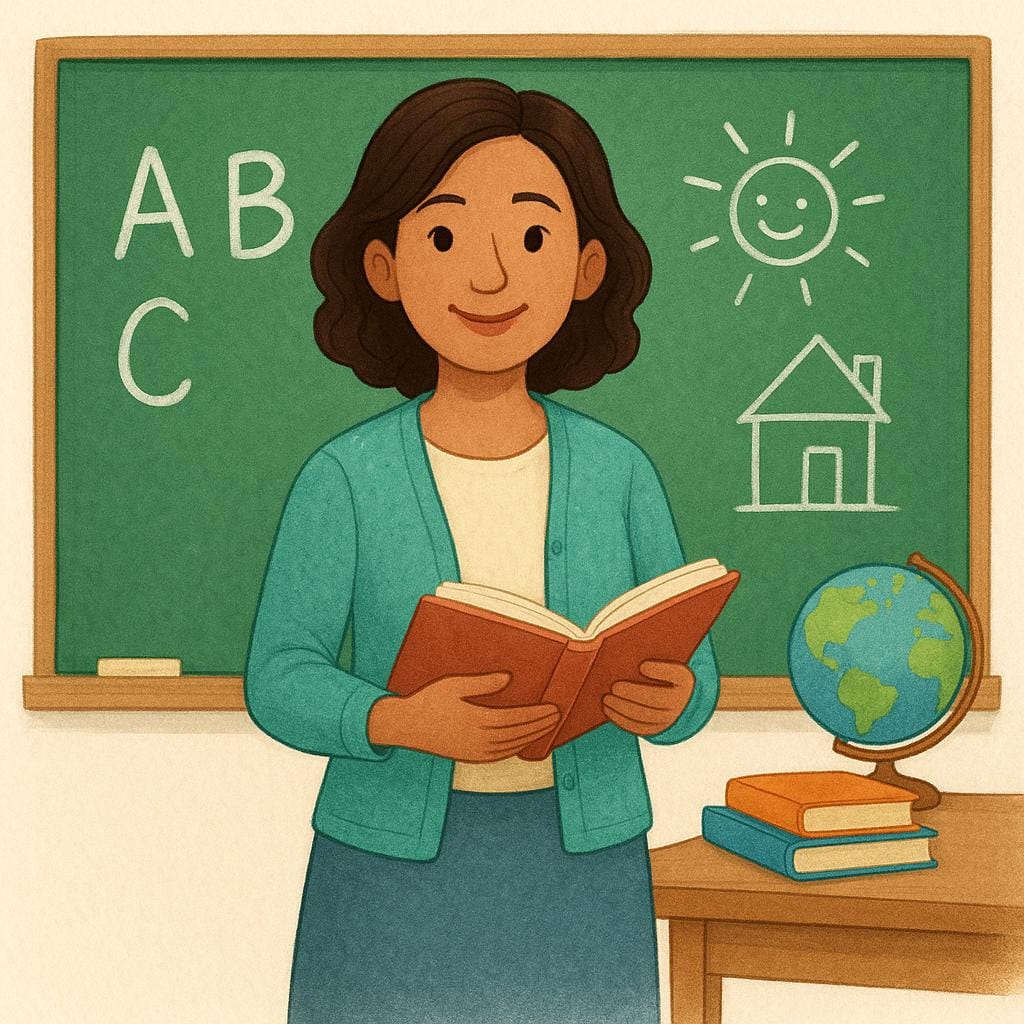
Profesor is the word for a male teacher. To talk about a female teacher, you just change the ending to -ora: profesora. This is a common pattern in Spanish for jobs ending in -or.
'Profesor' vs. 'Maestro'
Mistake: “Mi maestro de la universidad es muy inteligente.”
Correction: Mi profesor de la universidad es muy inteligente. Use `profesor` for high school and university teachers. `Maestro` is usually for elementary school teachers.
profesora
proh-feh-SOH-rahpɾofeˈsoɾa
Examples
Mi profesora de historia nos dio mucha tarea.
My history teacher gave us a lot of homework.
La profesora García es muy estricta con las fechas de entrega.
Professor García is very strict with the submission deadlines.
Ella aspira a ser profesora titular en la facultad de derecho.
She aspires to be a tenured professor in the law school.
Gendered Profession
This noun is feminine because it refers to a woman. The masculine equivalent is 'profesor' (male teacher/professor).
Using the Wrong Article
Mistake: “El profesora.”
Correction: La profesora. Since 'profesora' is feminine, it must use the feminine articles 'la' or 'una'.
maestro
mah-ESS-trohmaˈes.tɾo

Examples
El maestro de mi hijo es muy paciente.
My son's teacher is very patient.
La maestra nos enseñó a leer y escribir.
The teacher taught us to read and write.
Making it Feminine
To talk about a female teacher, just change the '-o' at the end to an '-a': maestra. This is a very common pattern in Spanish for jobs.
`Maestro` vs. `Profesor`
Mistake: “Using `maestro` for a university professor.”
Correction: Generally, use `maestro` for a primary school teacher and `profesor` for a high school or university teacher. Think of `maestro` as someone who teaches kids the basics.
docente
do-SEN-tedoˈsente

Examples
La docente entregó las notas finales ayer.
The teacher handed out the final grades yesterday.
El centro necesita contratar a un nuevo docente de matemáticas.
The center needs to hire a new math teacher.
Todos los docentes deben asistir a la reunión del lunes.
All teachers must attend the meeting on Monday.
One word for both genders
The word 'docente' doesn't change its ending. To show if you're talking about a man or a woman, just change the word 'the' before it: 'el docente' for a man and 'la docente' for a woman.
A more professional 'Teacher'
While 'profesor' is what students call their teacher in class, 'docente' is the professional title used in official documents or news reports.
Avoid saying 'docenta'
Mistake: “La docenta es muy buena.”
Correction: La docente es muy buena.
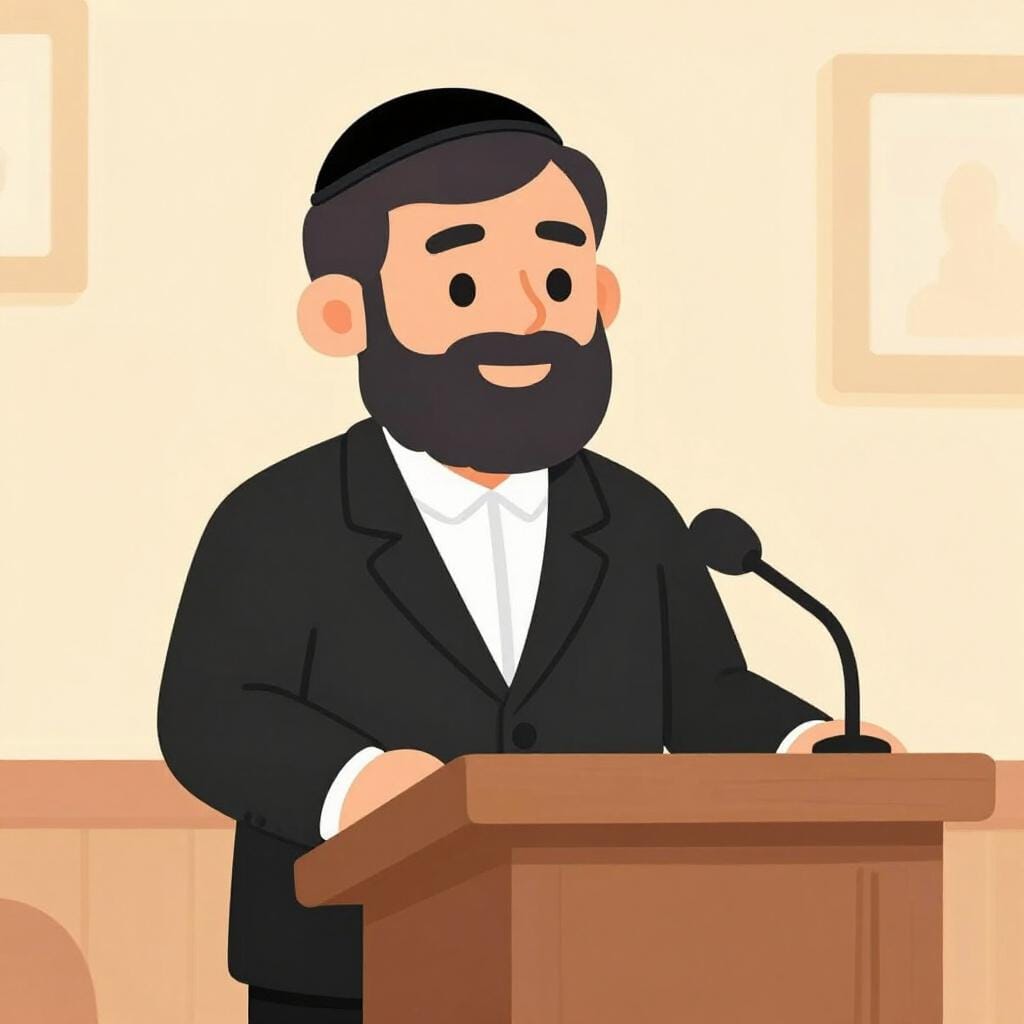
rabino
ra-BEE-noraˈβino
Examples
El rabino vive cerca de la sinagoga.
The rabbi lives near the synagogue.
Fuimos a pedirle consejo al rabino sobre nuestra boda.
We went to ask the rabbi for advice about our wedding.
El gran rabino dio un discurso sobre la paz y la tolerancia.
The chief rabbi gave a speech about peace and tolerance.
Using 'el' and 'un'
This word describes a male person, so you always use 'el' (the) or 'un' (a) before it. If you are describing the rabbi, the adjectives should also end in 'o' (like 'el rabino simpático').
Capitalization
In Spanish, religious titles like 'rabino' or 'cura' are usually written in lowercase unless they are the first word of a sentence.
The English 'i' ending
Mistake: “Hablé con el rabbi.”
Correction: Hablé con el rabino. (In Spanish, we add the 'o' to the end to make it fit our language patterns.)
Choosing Between Profesor/a and Maestro
Related Translations
Learn Spanish with Inklingo
Interactive stories, personalized learning, and more.