How to Say "owner" in Spanish
The most common Spanish word for “owner” is “dueño” — use 'dueño' for the general owner of a house, a pet, or an object when the context is straightforward.


dueño
Examples
¿Quién es el dueño de este coche rojo?
Who is the owner of this red car?
propietario
pro-pyeh-TAHR-ee-ohpɾopjetaˈɾjo

Examples
El propietario del coche nuevo vive en el tercer piso.
The owner of the new car lives on the third floor.
Necesitas hablar con el propietario del restaurante sobre la reserva.
You need to speak with the proprietor of the restaurant about the reservation.
Los inquilinos se quejaron al propietario por el ruido.
The tenants complained to the landlord about the noise.
Gender Change
Since this word ends in '-o', it changes to '-a' for women: 'la propietaria' (the female owner). This is a standard pattern for Spanish nouns describing people.
Confusing Formality
Mistake: “Using 'propietario' in very casual talk about small items.”
Correction: For casual contexts, especially simple possessions, use 'dueño'. Use 'propietario' for official or formal ownership (houses, companies).
amo
ah-moh'a.mo
Examples
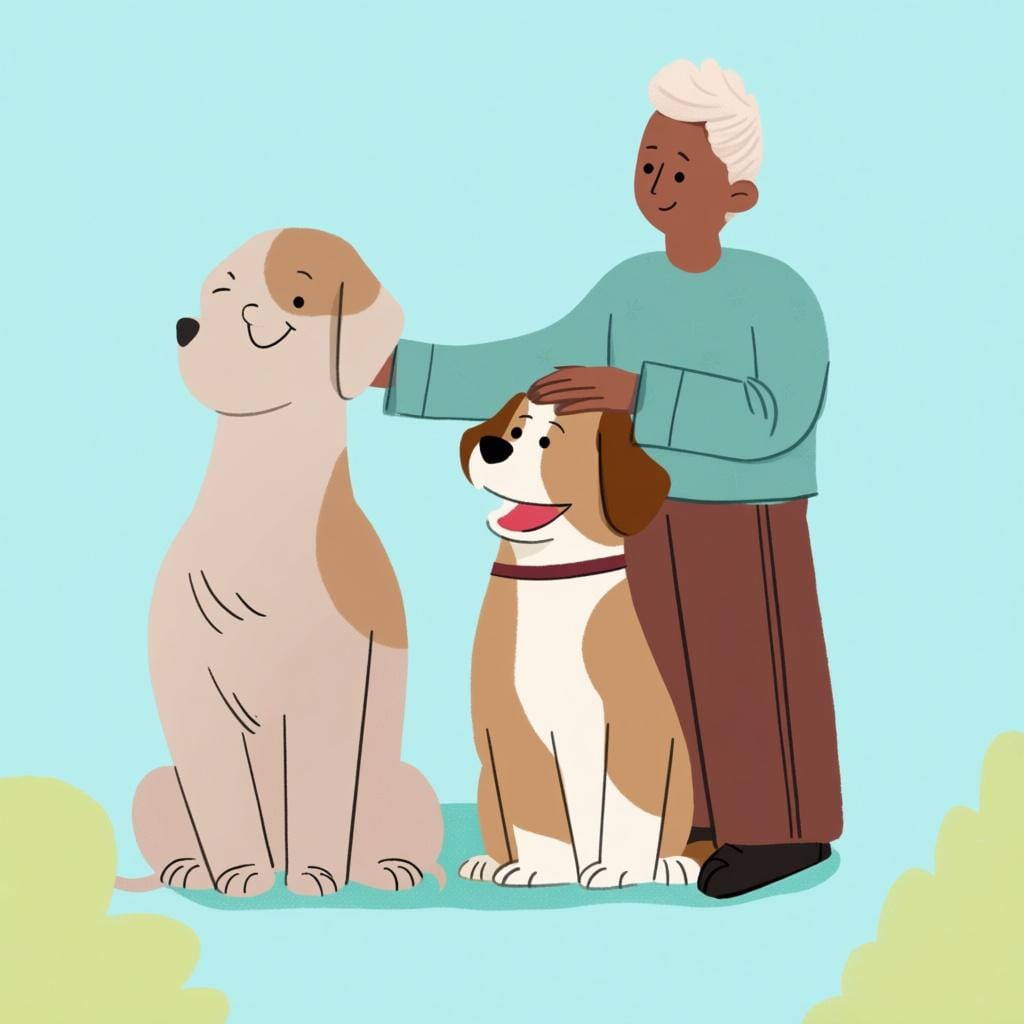
El perro espera felizmente a su amo.
The dog happily waits for its owner.
En la película, el sirviente era leal a su amo.
In the movie, the servant was loyal to his master.
Él se cree el amo del universo.
He thinks he's the master of the universe.
A Masculine Word
This word is masculine, so you say 'el amo' or 'un amo'. The word for a female master is 'el ama'. We use 'el' instead of 'la' to avoid the awkward 'la ama' sound, even though 'ama' is a feminine noun.
Confusing the Noun and Verb
Mistake: “'El perro tiene un amo.' (Thinking this means 'The dog has an I love.')”
Correction: The words 'un' or 'el' before 'amo' are your clue that it's the noun 'master/owner'. If it's by itself or after 'yo', it's the verb 'I love'.
patrón
Examples
Mi patrón es muy estricto con la hora de llegada.
My boss is very strict about the arrival time.
Dueño vs. Propietario
Learn Spanish with Inklingo
Interactive stories, personalized learning, and more.