How to Say "mire" in Spanish
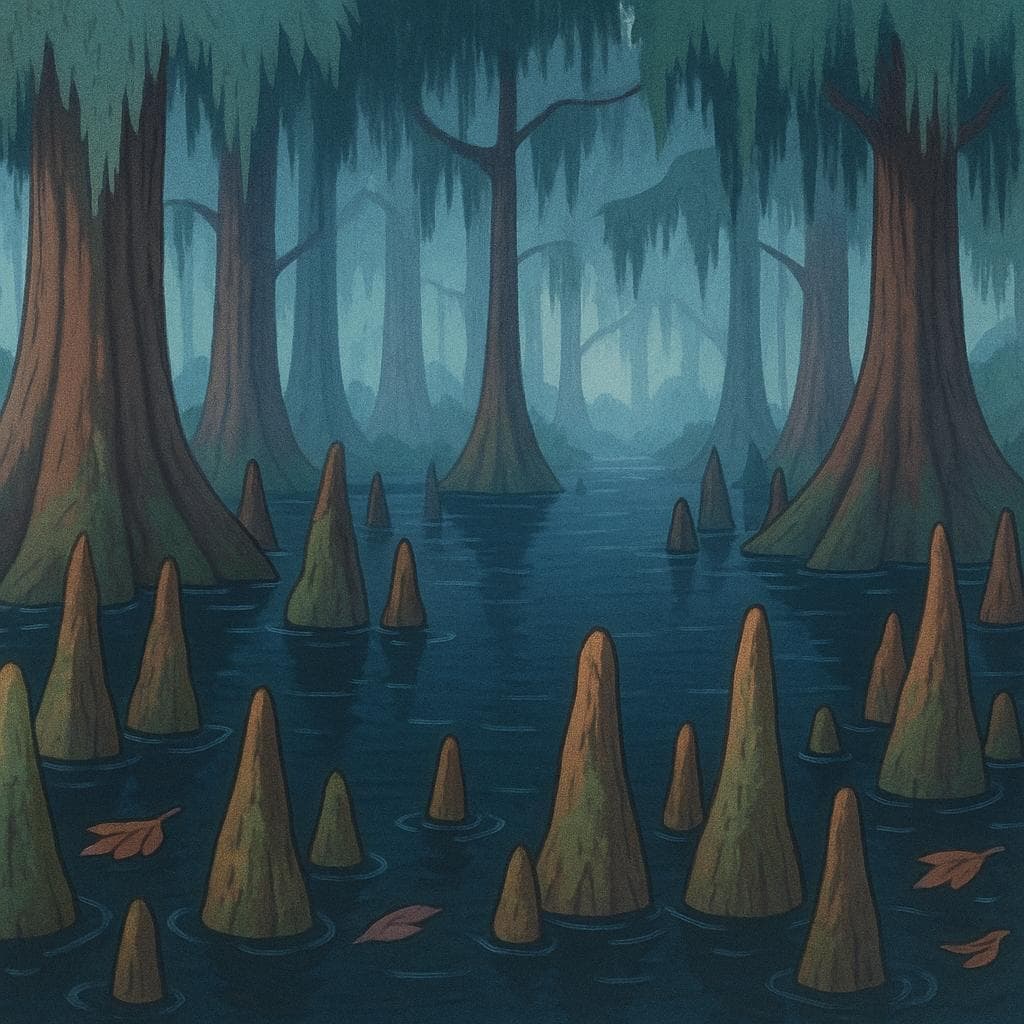
The most common Spanish word for “mire” is “barro” — use 'barro' when referring to deep, thick mud, often implying a heavier, more substantial consistency.


barro
BAH-rrohˈbaro

Examples
Después de la tormenta, el camino estaba lleno de barro.
After the storm, the road was full of mud.
Usaron barro rojo para hacer las tejas del techo.
They used red clay to make the roof tiles.
Tuvimos que limpiar el barro de nuestras botas al entrar a la casa.
We had to clean the mud off our boots when entering the house.
Masculine Noun
Remember that 'barro' is always a masculine noun, so it takes the article 'el' (el barro) and pluralizes to 'los barros'.
Confusing Mud and Dirt
Mistake: “Using 'barro' when you mean dry dirt ('tierra').”
Correction: 'Barro' specifically means wet earth or mud. If it's dry, use 'tierra' or 'polvo' (dust).
lodo
loh-dohˈloðo

Examples
Mis zapatos están cubiertos de lodo.
My shoes are covered in mud.
Después de la tormenta, el jardín era puro lodo.
After the storm, the garden was pure mud.
El coche se quedó atascado en el lodo.
The car got stuck in the mud.
Masculine Word
Lodo is a masculine word. You should always use 'el' or 'un' before it, as in 'el lodo' (the mud).
Don't confuse with 'loto'
Mistake: “Using 'loto' when you mean mud.”
Correction: Say 'lodo' for mud; 'loto' is a lotus flower.
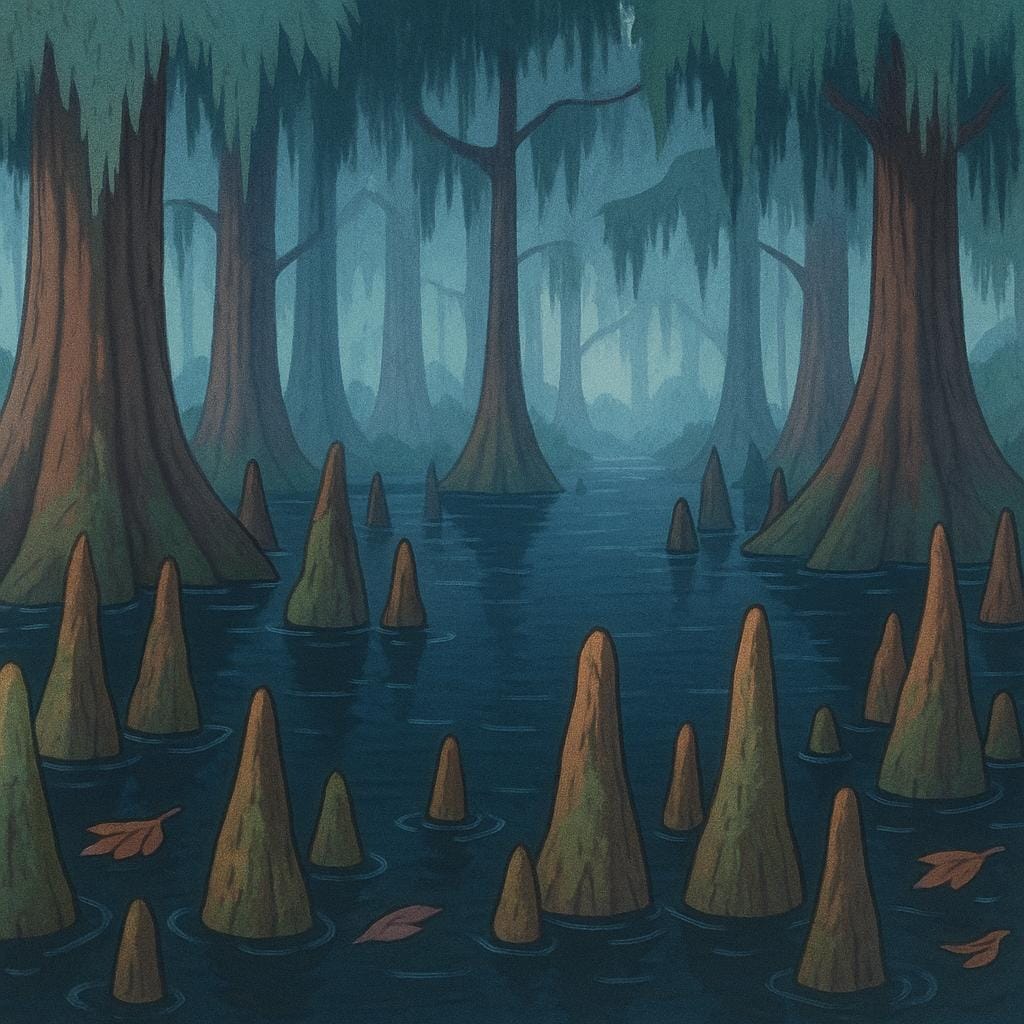
pantano
pan-TAH-nohpanˈtano
Examples
Tuvimos que cruzar el pantano para llegar al río.
We had to cross the swamp to get to the river.
La zona costera está llena de pequeños pantanos salados.
The coastal area is full of small salt marshes.
Masculine Noun
Remember that 'pantano' is a masculine word, so you must use 'el' before it: 'el pantano grande'.
Confusing Gender
Mistake: “La pantano (Incorrect use of feminine article).”
Correction: El pantano (Use the masculine article 'el' or 'un').
Barro vs. Lodo vs. Pantano
Learn Spanish with Inklingo
Interactive stories, personalized learning, and more.