How to Say "mist" in Spanish
The most common Spanish word for “mist” is “niebla” — use 'niebla' when referring to a general, often thick, atmospheric condition that reduces visibility, similar to fog.

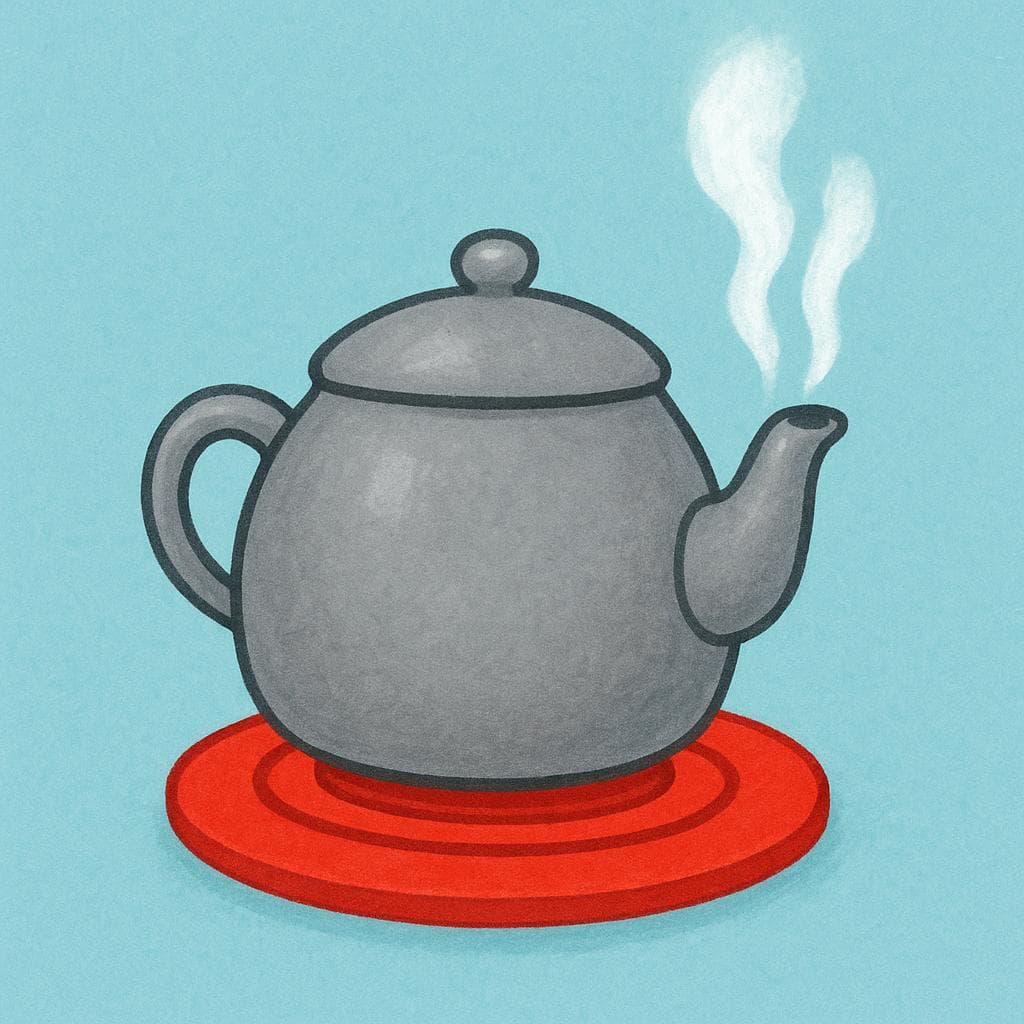

niebla
NYEH-blahˈnje.βla

Examples
La niebla era tan espesa que tuvimos que conducir despacio.
The fog was so thick that we had to drive slowly.
Cuando hay niebla, los vuelos se retrasan a menudo.
When there is mist, flights are often delayed.
Gender Alert
Remember that 'niebla' is always a feminine word, so you must use feminine articles and adjectives with it (e.g., 'la niebla', 'una niebla fría').
Using 'estar' instead of 'haber'
Mistake: “La niebla está.”
Correction: Hay niebla. (Use the impersonal form of 'haber'—'hay'—to talk about weather phenomena that simply exist, like 'There is fog'.)
rocío
Examples
Me gusta caminar por la hierba llena de rocío.
I like walking through the grass full of dew.
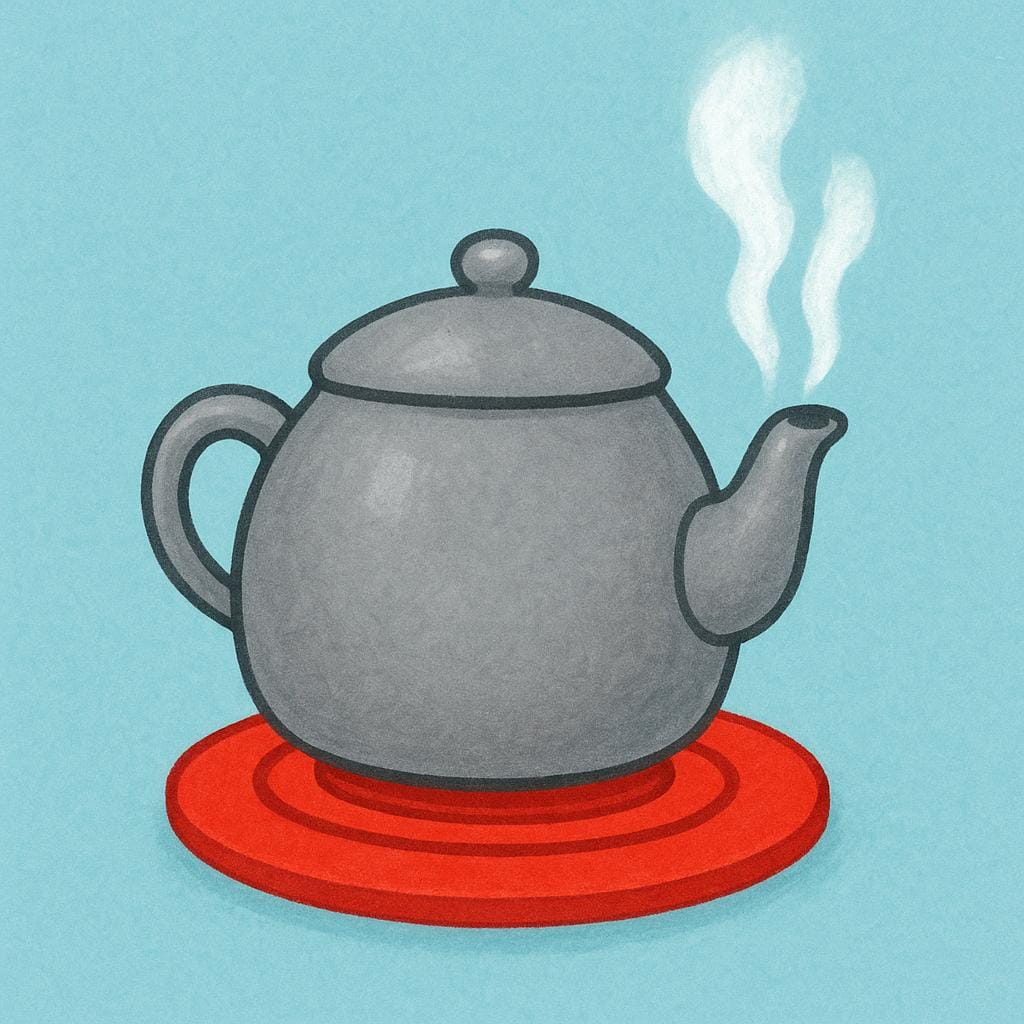
vapor
bah-PORbaˈpoɾ
Examples
El vapor que sale de la tetera está muy caliente.
The steam coming out of the kettle is very hot.
El aire acondicionado crea un vapor frío en la habitación.
The air conditioner creates a cold vapor in the room.
La olla a presión suelta mucho vapor.
The pressure cooker releases a lot of steam.
Gender Check
Remember that 'vapor' is masculine, so always use 'el' (el vapor) and masculine adjectives (vapor caliente).
brisa
BREE-sahˈbɾisa

Examples
No es una tormenta, solo es una brisa.
It's not a storm, it's just a mist/drizzle.
Multiple Meanings
Context is key. If you are in the Caribbean and it's cloudy, people might be talking about light rain rather than wind.
Niebla vs. Rocío
Related Translations
Learn Spanish with Inklingo
Interactive stories, personalized learning, and more.