How to Say "notebook" in Spanish
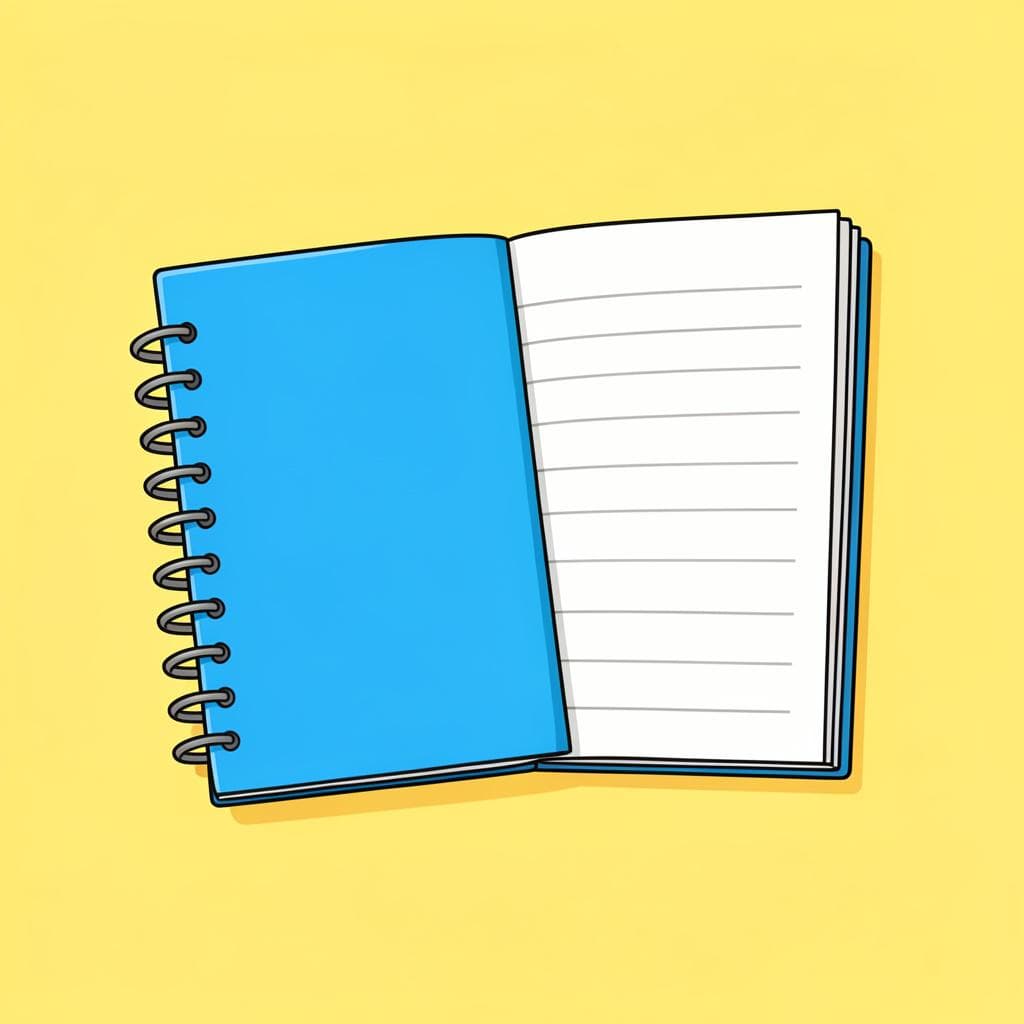
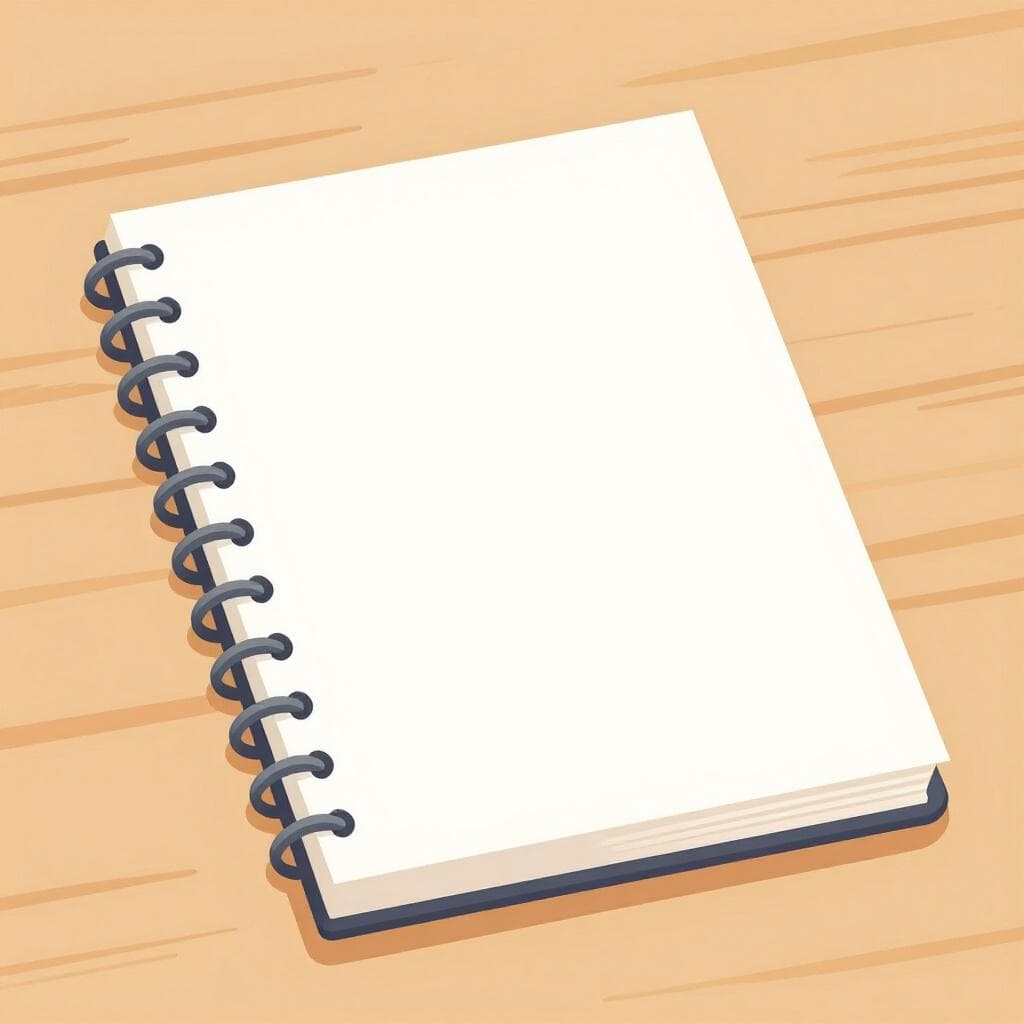
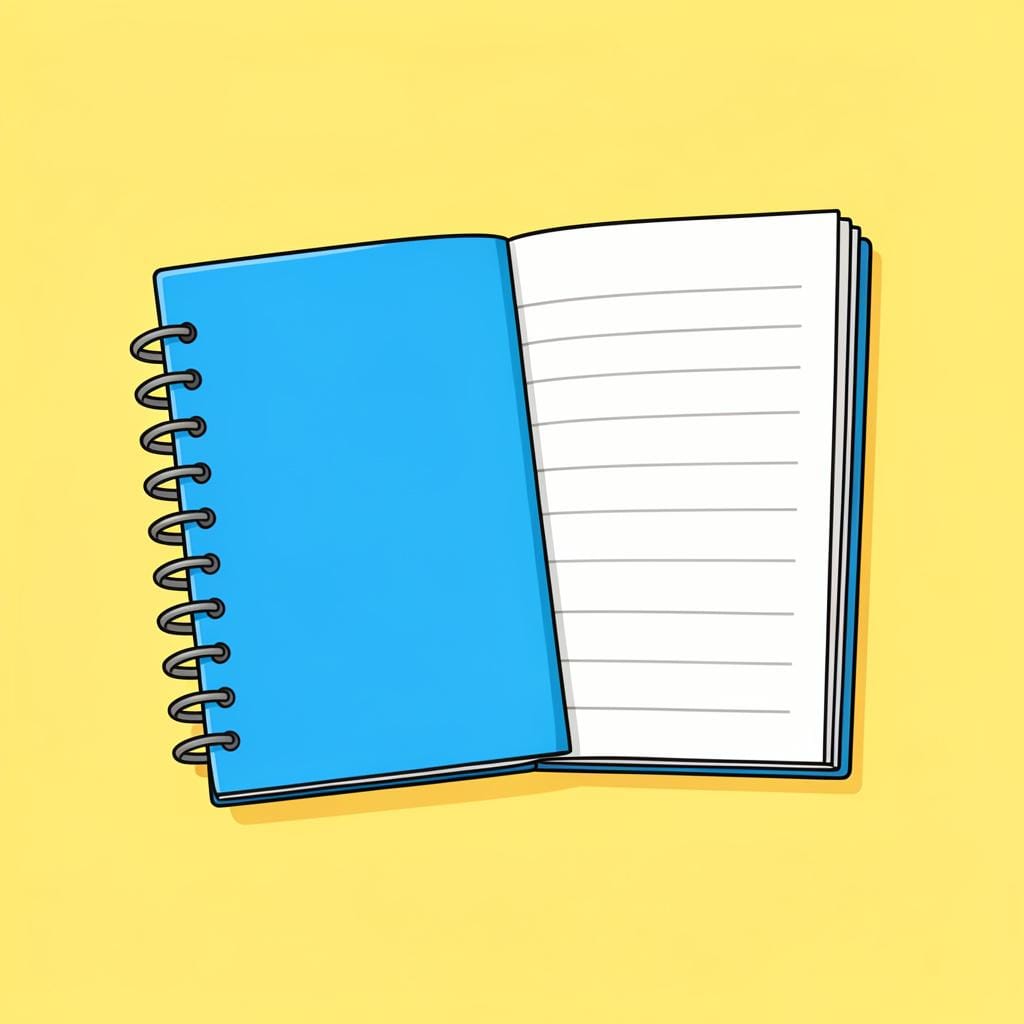
The most common Spanish word for “notebook” is “cuaderno” — use 'cuaderno' for a standard-sized book with blank or lined pages, often used for schoolwork, journaling, or more extensive writing.
cuaderno
kwah-DEHR-nohkwaˈðeɾno
Examples
Escribo mis tareas en un cuaderno azul.
I write my homework in a blue notebook.
¿Puedes abrir tu cuaderno en la página diez?
Can you open your notebook to page ten?
Tengo un cuaderno lleno de dibujos.
I have a notebook full of drawings.
Masculine Noun Rule
Since this word ends in -o, it is almost always masculine. Use 'el' for one or 'los' for more than one.
Don't confuse with 'Cuadro'
Mistake: “Using 'cuadro' when you mean 'notebook'.”
Correction: Use 'cuaderno' for the book you write in; 'cuadro' is a painting or a square.
libreta
lee-BREH-tahliˈβɾeta
Examples
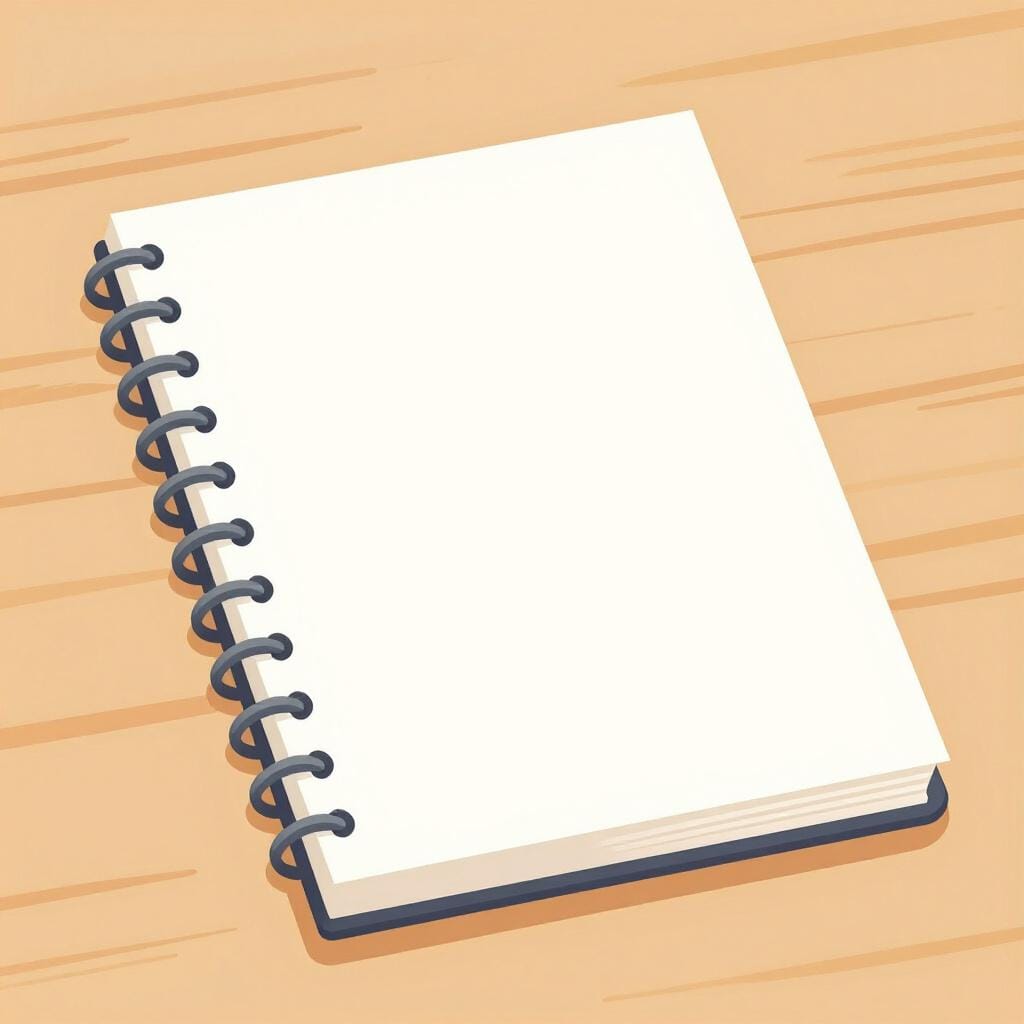
Tengo una libreta azul para la clase de español.
I have a blue notebook for Spanish class.
Anota el número de teléfono en tu libreta.
Write down the phone number in your notebook.
El detective sacó una libreta pequeña del bolsillo.
The detective took a small notepad out of his pocket.
Libreta vs. Libro
A 'libro' is a book you read (like a novel), while a 'libreta' is a book you write in. Think of 'libreta' as the smaller, personal version of a book.
Always Feminine
This word ends in 'a' and is feminine. You should always use 'la' or 'una' with it: 'la libreta roja'.
Using it for Reading Material
Mistake: “Estoy leyendo una libreta muy interesante.”
Correction: Estoy leyendo un libro muy interesante. Use 'libro' for reading and 'libreta' for writing!
Cuaderno vs. Libreta
Related Translations
Learn Spanish with Inklingo
Interactive stories, personalized learning, and more.